
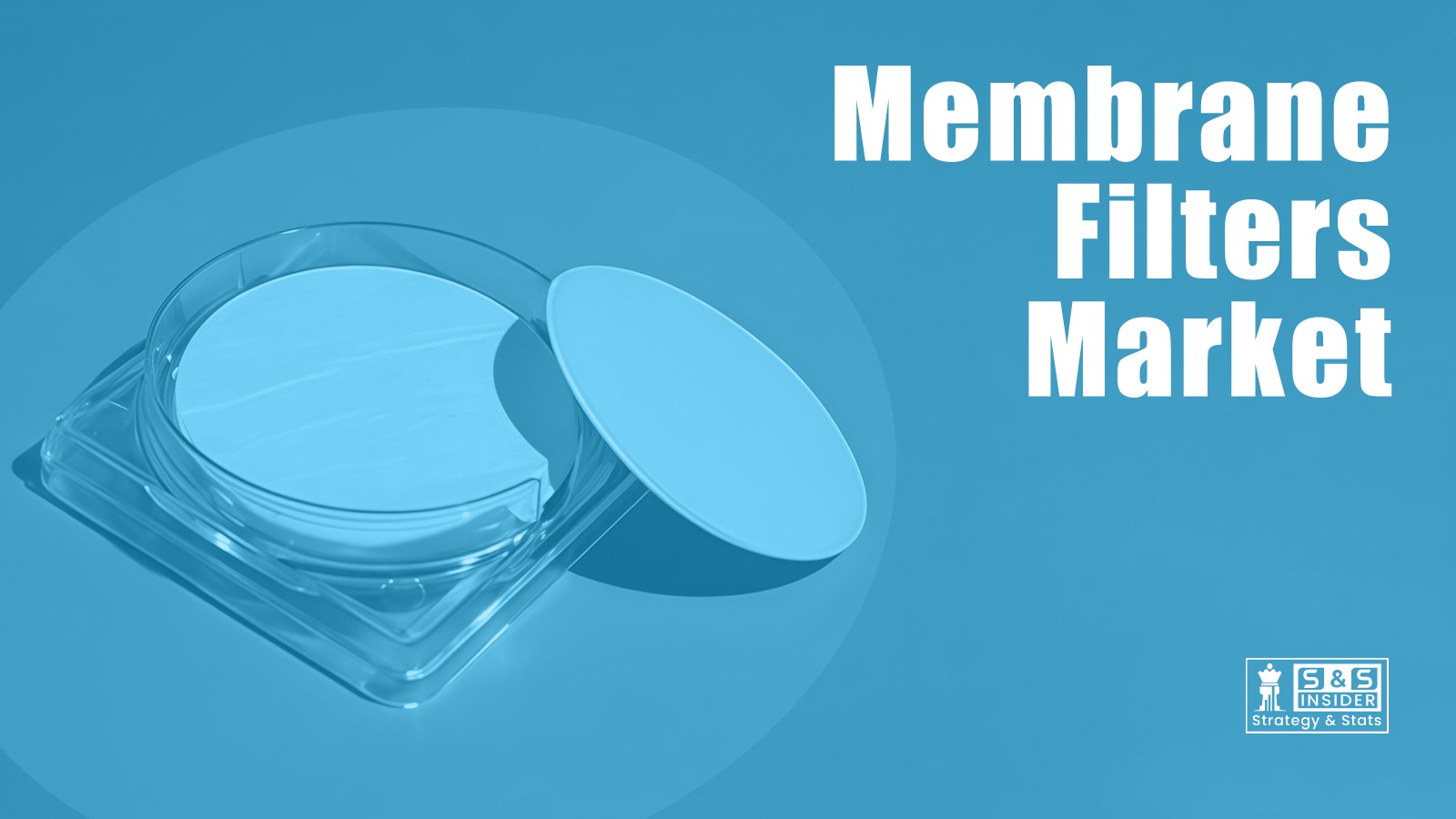
The use of membrane filtration is undoubtedly one of the most important processes in pharmaceuticals, biotech, food, and water treatment right now. Using these methods, they enable effective mechanical separation of other elements, which may be excluding microorganisms and pollutants without inducing any harm to the characteristics of the products. The growing need for high quality and environmentally friendly products will continue to dominate the international marketplace for advanced membrane filters.
According to SNS Insider, the Membrane Filters Market was valued at USD 13.67 Billion in 2025 and is expected to reach USD 30.21 Billion by 2035, registering a CAGR of 8.41% from 2026 to 2035. Market Drivers The rapid evolution and growing size of the biopharmaceutical manufacturing industry along with the rising investments in the water reclamation and distillation plants and strict requirements of sterile filtration.
Leading Companies Strengthening Global Filtration Capabilities:
1. Merck KGaA
 Merck is a key player in the filtration segment of life sciences and provides innovative membrane technology for the development and processing of vaccines and laboratory testing. The firm continues to enhance its bioprocessing suite to cater to the growing demand for new therapeutics. Among the services provided by Merck include the provision of sterile filtration products, ultrafiltration, and virus clearance processes used in the pharmaceutical industry.
2. Danaher Corporation
 Danaher Corporation has been developing filtration products through Pall and Cytiva and provides solutions for the manufacture and diagnostics of pharmaceutical products. As the company provides flexible and single-use systems, it helps speed up production processes and become more efficient. It is committed to automation and process optimization to enable pharmaceutical companies to comply with stringent regulations.
3. Thermo Fisher Scientific Inc.
 Thermo Fisher provides a wide variety of membranes for laboratory use as well as clinical and industrial purposes. Continuous mergers and innovations are enhancing their capability of purifying and filtration processes all around the world. Their technology is used in laboratory operations, manufacture of vaccines, and industrial applications. Global distribution channels help the company build customer base.
4. DuPont de Nemours, Inc.
 DuPont manufactures high performance membranes that are applied in industrial filtration processes and water purification. Sustainability programs by DuPont are motivating innovative energy-efficient and long-lasting membranes. Their polymer science enables them to design efficient reverse osmosis and ultra-filtration technology. Water solutions continue to get investments from DuPont.
5. 3M Company
 3M Company provides filtration technologies in various industries such as medical care, food protection, and water purification. The company leverages its diverse technical knowledge base to create efficient and effective filtration systems. Its technologies can aid in improving the quality of products and their processing in factories. Innovations in the filtration media will enhance its competitive position
6. Pall Corporation
 Pall is known for its technologies involved in the production of high-purity filtration media and virus removal systems for use in pharmaceuticals and the aerospace industry. The company is dedicated to conducting extensive research on membrane technology and increasing production capacity. It also offers superior filtration technology, thus providing sterilized production environment.
7. Sartorius AG
 Sartorius deals with filters that are specifically created for biotechnology and lab settings. It has become highly prominent in single-use filters, thereby catering to the fast development of biologics and cell therapies. The company is increasingly setting up production plants and logistics centers. They are widely used in research centers and pharmaceutical firms around the world.
8. Alfa Laval AB
 Alfa Laval produces membrane filtration products used in industries that involve food production, milk production, and wastewater processing. This technology helps industries achieve improved performance while minimizing energy and raw material use. Alfa Laval offers innovative design coupled with exceptional customer services all over the globe.
9. GEA Group AG

GEA provides comprehensive filtration and separation solutions to the food and beverages, beverage and chemicals sectors. GEA is continuously building on their digital and sustainable processing solutions. They provide membrane filtration systems that can be used by companies to improve the quality of their products and optimize operations.
10. Veolia Environnement SA
 Veolia provides environmental services and water treatment. Veolia specializes in providing membrane filtration systems for industrial and municipal use. Veolia is currently making significant investments in the development of circular economies and water reuse systems. The firm’s technologies are playing an important role in desalination and wastewater recycling projects globally.
What Lies Ahead for the Membrane Filtration Market?
The future looks great for membrane filtration, particularly as businesses increasingly prioritize safety, efficiency, and product consistency. Well qualified filtration systems have been progressively taken up by numerous firms as clean drinking water, sterile drug manufacturing and efficient food production become critical, and this is a swift growth within both developing and developed countries. Particularly, the role membrane filters in this modern era have become even more relevant with the growing water recycling and reuse efforts, desalination, and green manufacturing.
Continued advances in material sciences and technological innovations are likely to propel the market into its next phase of growth. Organizations are adopting smart membranes with digital monitoring abilities and expanded longevity, leading them to lower their charges and enhance their productivity. The global Membrane Filtration Technology market is likely to grow with the increasing research of chemical, bio, and environmental services industries.



