
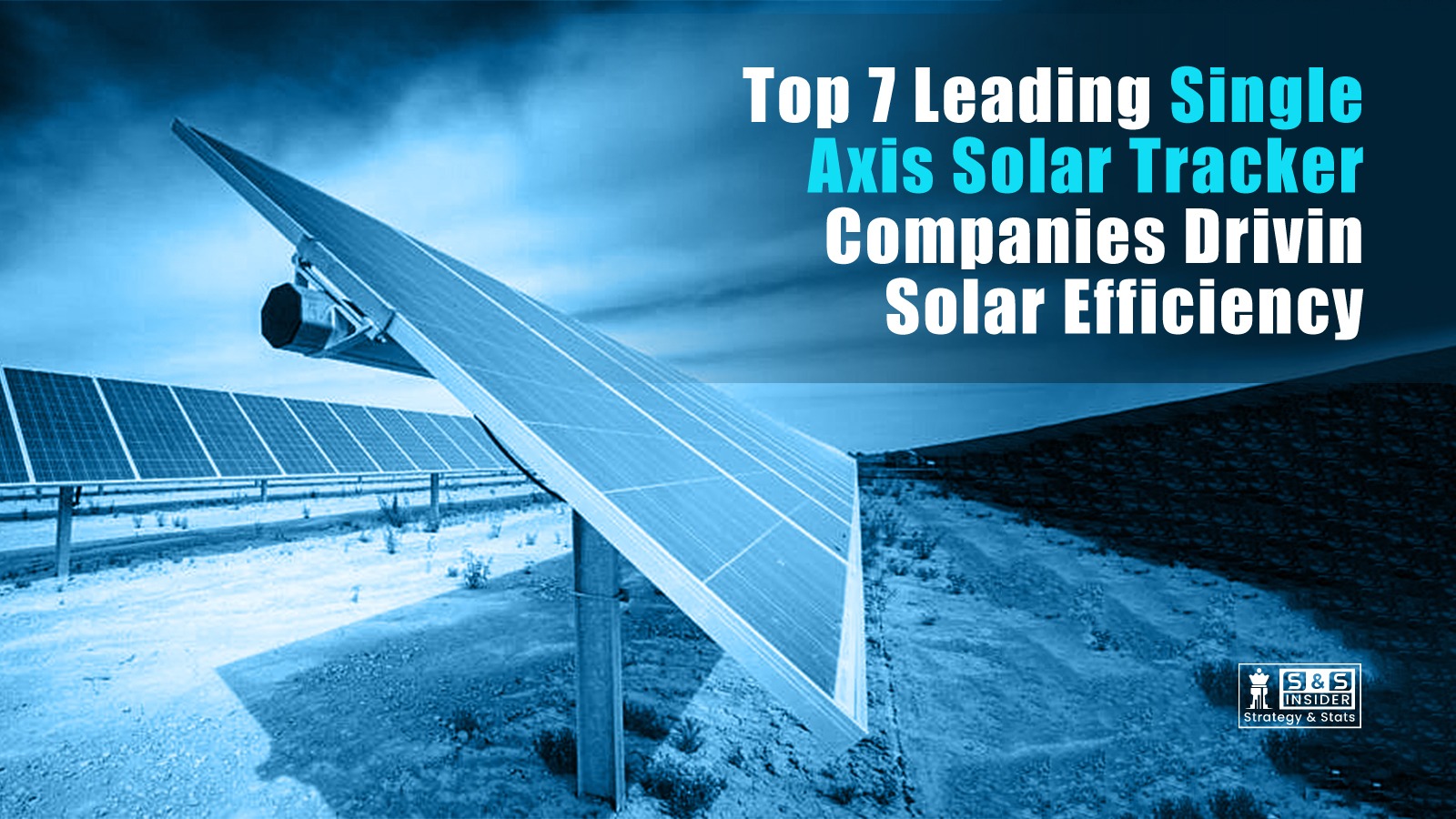
The advent of single-axis solar trackers, which permit panels on a horizontal or tilted support structure to rotate around one axis and track the typical sun movements helps transform the picture of solar Industry as they allow to maximize energy output compared with fixed installations. The efficiency increase means lower costs, which increases the plant economics of utility-scale PV power plants. As it is a global light and investment trend that moves toward these renewable footprints so positive policies warp them into utility-scale projects especially in solar-rich geographies where generation needs to be as maximized as possible.
According to SNS Insider, the Single Axis Solar Tracker Market was estimated to be valued at USD 6.63 billion in 2025 and is expected to touch USD 28.32 billion by 2033, growing with a CAGR of 20.02% between 2026 and 2033.
Major Players Driving Innovation in Solar Tracker Technology
NEXTracker Inc.
 NEXTracker is one of the world’s leading firms in solar tracking technologies, renowned for manufacturing intelligent solar tracking systems that come with advanced data analytics and software packages. NEXTracker’s solar tracking systems are utilized extensively in utility-scale solar plants all over the world. Being innovative, this firm manufactures tracking solutions that increase energy yields and maximize performance under harsh environmental conditions.
Array Technologies Inc.
 Array Technologies is one of the most successful and reliable firms in the solar tracking market, providing single-axis tracking systems that have been found to be durable and affordable. Such products by Array Technologies are easy to install; hence, they are highly favored in big solar projects.
Arctech Solar Holding Co. Ltd.
 Arctech Solar manufactures the best solar trackers and mounting structures which are known to create a good reputation in the global world. This company focuses on manufacturing the best quality systems that can withstand bad weather such as high winds and deserts. Arctech Solar is determined to conduct R&D activities so as to produce innovative solar trackers.
PV Hardware Solutions S.L.U. (PVH)
 PV Hardware (PVH) is renowned for the development and production of solar tracking systems and controllers. Their solar tracking systems have been utilized in many utility-scale solar power plants because of their outstanding reliability and effective controllers. PVH employs smart technology in its solar tracking system designs.
Soltec Power Holdings S.A.
 Introduction: Soltec Solar Tracking Systems Inc. is one of competition companies, which produce the very appropriate solar tracking systems that have high quality so as to increase the amount of energy generated. Soltec focused on innovation and sustainability, enabling high-efficiency energy generation with the use of bifacial trackers.
GameChange Solar
 GameChange Solar has gained acclaim due to its affordable and efficient solar tracking systems. They have come up with reliable solar tracking systems, which will help in saving on installation time while ensuring efficiency in solar power generation. Their systems are suited to operate in varied environments.
FTC Solar Inc.
 FTC Solar advertises its capabilities through automated solar tracking solutions and harnessing better performance. FTC Solar's best-selling models have been designed to offer sites, rapid installation and efficiency that enable developers to reduce their costs associated with installations whilst maximizing power generation.
Advancing Solar Efficiency with Single Axis Tracking Technology:
Single-axis solar trackers are increasingly becoming a critical component of modern solar power systems owing to their capability of enhancing energy generation potential substantially. These solar trackers are different from fixed panels, and they follow the sun as it moves across the sky from east to west, enabling panels to take in higher sunlight amounts over the day. As exposure increases, so does efficiency and overall system performance, which is why single-axis trackers are perfect for large-scale utility solar projects facing maximum output challenges.
Over the last couple of years, the performance and reliability of these systems have been improved due significantly progress made in algorithm design, artificial intelligence monitoring and material science. Faster tracking algorithms help in positioning with a higher degree of accuracy, and AI-based monitoring detects faults and fine-tunes operations in real time. Moreover, a higher resilience of the materials used improved even longer lifespan (in problematic environments) of trackers. As world continues to focus on clean & sustainable source of energy, the global adoption of single-axis solar trackers is crucial for harnessing solar energy and achieving future energy goals in a cost-effective manner.



