
The quick change from conventional residences, offices, and industries into intelligent and efficient buildings is contributing immensely towards the increasing use of smart HVAC controls. Businesses and property holders are making more investment in intelligent heating, ventilation, and air conditioning (HVAC) control solutions which utilize AI, IoT, predictive maintenance, and cloud computing to minimize energy usage and increase comfort at the same time. With the increasing energy efficiency standards set by the government, demand for smart climate control solutions keeps on growing in developed as well as developing countries.
Modern HVAC controls are no longer limited to simple thermostats but can be described as technologies that provide real-time monitoring capabilities, automatic temperature control, remote connectivity, diagnostics, and building management system integration. The use of these solutions not only helps in lowering operating expenses but improves indoor air quality and increases the lifespan of the equipment. The increasing trend towards smart homes, green buildings and digital infrastructures creates numerous opportunities for the industry's technology providers.
As per SNS Insider, the Global Smart HVAC Controls Market stood at USD 12.53 Billion in 2024 and is estimated to grow to USD 27.71 Billion till 2032, representing a CAGR of 10.43%. The Smart HVAC Controls Market in the U.S. held a valuation of USD 3.76 Billion in 2024 and will grow to USD 6.85 Billion till 2032, representing a CAGR of 7.76%. Growth in the market is driven by rising demand for intelligent climate control solutions, automation through artificial intelligence, internet-of-things based HVAC system, and smart building systems.
Gain Actionable Intelligence on the Smart HVAC Controls Market - Request a Sample Report
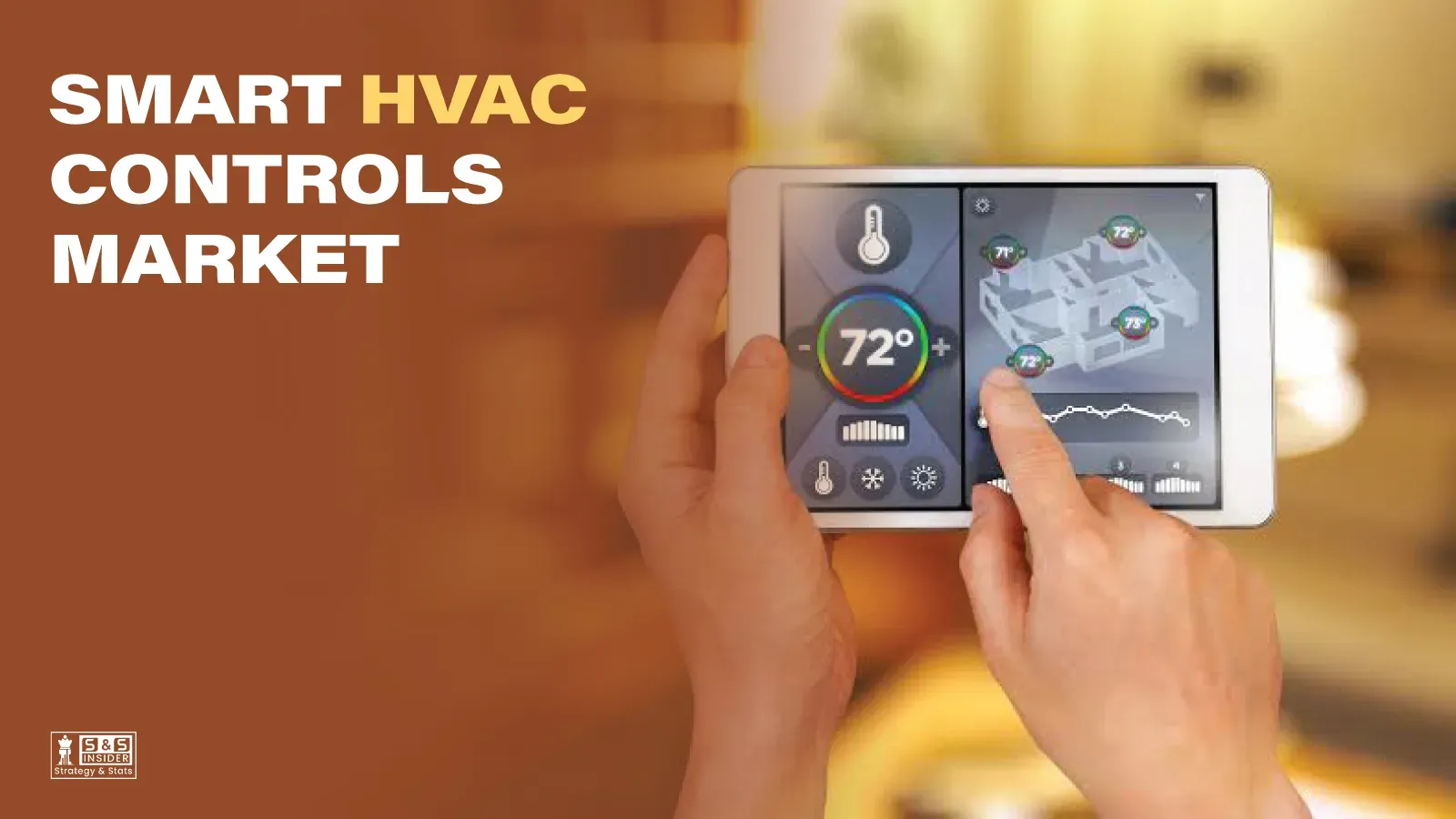
Smart HVAC Controls Market Analysis
Smart HVAC Controls Market has become an integral part of modern-day building automation strategies, as the focus on energy efficiency and sustainability increases among both commercial and residential consumers. Smart HVAC controls have been adopted in a number of building structures including offices, factories, hospitals, shopping malls, hotels, and residential properties due to their capability of monitoring the performance of the systems and their maintenance needs.
The rise in investments in green building, reduction in carbon emissions, and development of smart cities will drive the demand in the market. The vendors are currently integrating artificial intelligence, machine learning, cloud computing, wireless technology, and big data analytics in their HVAC systems to make them more visible and automated. Innovations in connected climate control technology will drive the growth of the global market in the forecasted period.
Top 5 Leading Smart HVAC Controls Companies
1. Siemens
 Siemens is one of the world leaders in smart HVAC controllers, providing complete building automation and intelligent climate control systems for commercial, industrial, and residential buildings. The company’s digital building solutions leverage artificial intelligence, Internet of Things, and cloud computing technologies in order to increase energy efficiency and provide real-time monitoring and predictive maintenance opportunities. Siemens constantly expands its product line by developing building management systems which allow centralized HVAC control and help save money, increase comfort, and meet sustainability requirements.
2. Schneider Electric
 Schneider Electric offers innovative smart HVAC control systems utilizing EcoStruxure technology suite for connected building management and intelligent automation to optimize energy efficiency. The innovative technology of Schneider Electric combines HVAC systems with lighting, safety, and energy management to build ultra-efficient smart buildings. Schneider Electric constantly invests in new AI-based technologies of building analytics, digital twins, and predictive maintenance systems in order to optimize the energy efficiency of buildings worldwide.
3. Honeywell
 Honeywell is one of the leading companies that provides smart HVAC controls, offering end-to-end solutions for commercial buildings, hospitals, airports, factories and even residences. Honeywell’s intelligent control solutions leverage cloud connectivity, IoT sensors and AI-driven analysis to optimize the performance of buildings and their operations. It concentrates on creating automation solutions that will contribute to better indoor air quality, decreased energy usage and simplified facilities management.
4. Panasonic
 Energy saving HVAC solutions with smart controls, wireless communication, and high levels of automation for houses and commercial buildings are among the products that Panasonic is manufacturing. With these smart climate control solutions, the company allows users to monitor their systems remotely and manage temperature automatically. Panasonic’s line of sustainable HVAC products is constantly expanding with new developments in energy-saving heating and cooling systems.
5. LG Electronics
 Through its smart HVAC control products that offer heating and cooling solutions with artificial intelligence, LG Electronics has gained a competitive edge in the market of smart HVAC controls. It also has intelligent HVAC systems which provide predictive maintenance, remote diagnosis and energy optimization using digital connected technologies. LG Electronics has been growing its market presence in the global HVAC industry through investment in heat pump technologies, smart buildings and artificial intelligence automation to enable customers to benefit from increased efficiencies and reduced energy costs.
Future Outlook of the Smart HVAC Controls Market
The future of Smart HVAC Controls Market will definitely be influenced by the fast development in technologies like artificial intelligence, Internet of Things (IoT), cloud computing, predictive maintenance, and automated building management systems. There is an increasing trend among organizations where intelligent HVAC systems which can optimize energy consumption, reduce equipment downtime, enhance indoor environment quality and help achieve sustainability goals through automation.
Further development of smart cities, green buildings, renewable energy, and digital infrastructure would present immense opportunities globally. In view of enhanced energy efficiency measures adopted by governments and carbon neutrality targets adopted by corporations, smart HVAC controls would become an indispensable element of future intelligent buildings. Corporations which focus on investments in AI-based automation, cybersecurity, cloud native platforms, and connected building ecosystem would play an important part in defining the future of the global market of smart HVAC controls.



