
In the world of fashion industry, an entirely new revolution is taking place because of the increasing importance of the role played by AI in Fashion Market in the design, retailing, interaction with customers, stock management, and logistics. AI technology is assisting fashion enterprises in understanding the requirements of the consumers, predicting trends, catering to their requirements, and creating a more personalized shopping experience online. The increasing importance of online, social and mobile commerce has made the need for such systems inevitable.
According to SNS Insider, the market size for AI in the Fashion industry was estimated to be USD 2.46 billion in 2025 and is expected to touch USD 72.56 billion by 2035 growing at a CAGR of 40.30% between 2026 and 2035. The use of AI in areas such as machine learning, computer vision, prediction modeling, and natural language processing is leading to the creation of AI tools that are not only more accurate but also commercially viable. Fashion brands have been using these tools for virtual try-ons, automatic product discovery, demand prediction, stock optimization and design. Through AI, fashion firms are able to decrease production and waste.
Gain Actionable Intelligence on the AI in Fashion Market - Request a Sample Report
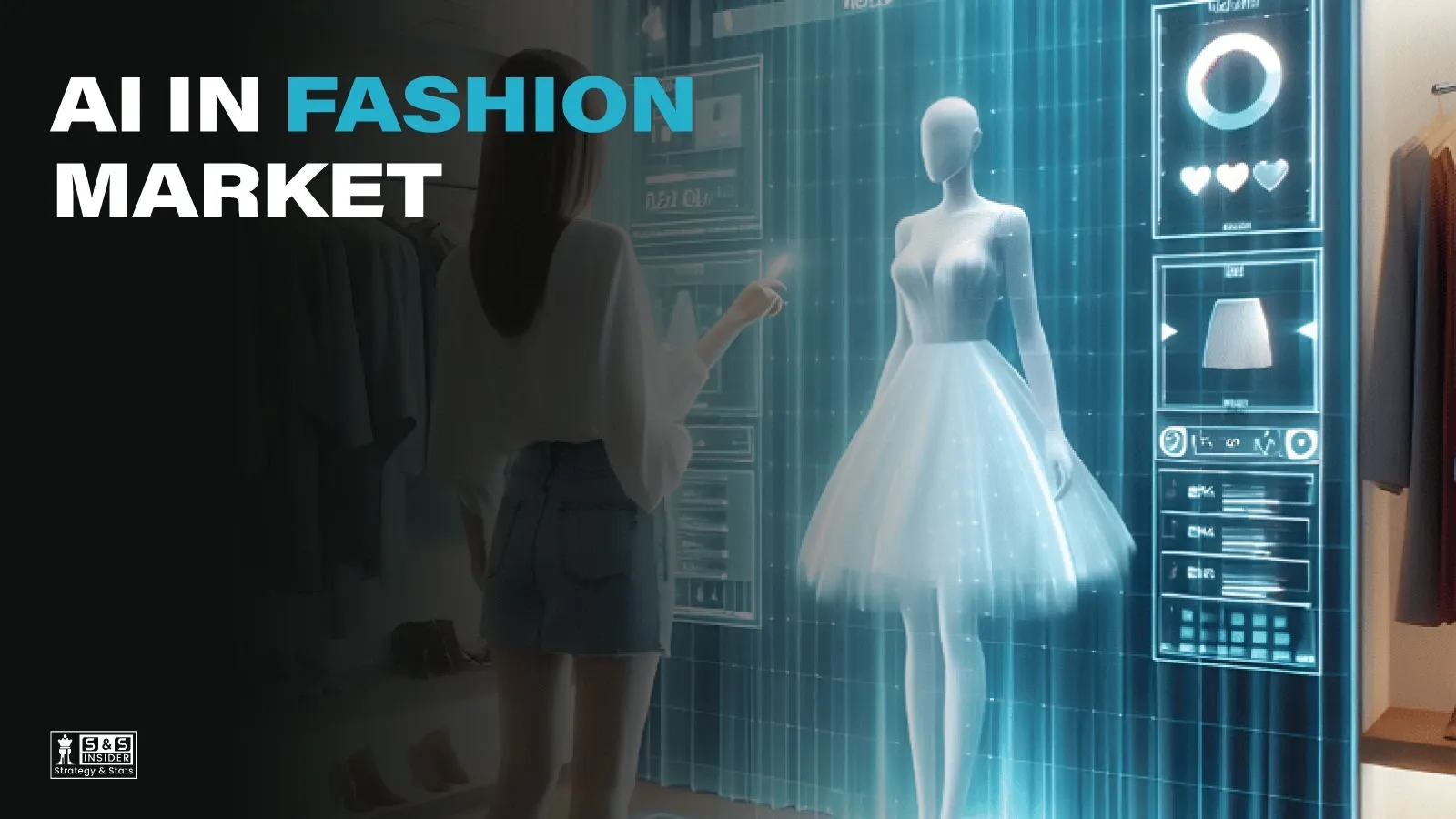
Below are six companies and technology providers playing an important role in the development of AI-driven fashion solutions.
1. Microsoft
 Microsoft is enhancing the fashion technology ecosystem by incorporating cloud computing, artificial intelligence and smart digital assistants. The company's artificial intelligence technology can enable personalization shopping, customer analytics, recommendation system, and AI-based decision-making process. Moreover, its cloud platform can help fashion companies build scalable artificial intelligence apps that can operate in retail and e-commerce business operations. Microsoft collaborated with Curated for You in May 2025 to integrate AI-based fashion recommendations in Copilot digital assistant.
2. Google
 AI-based fashion is facilitated by Google via its offerings of machine learning, cloud technology, visual recognition, analytics, and digital commerce solutions. The company’s AI solutions may assist fashion firms to gain insights into consumer behaviors, enhance discovery of products, conduct trend analysis, and automate business operations. The fusion of computer vision and generative AI provides an opportunity for intuitive visual commerce experiences.
3. Amazon Web Services (AWS)
 Amazon Web Services is a company that offers cloud and AI services which assist in the modernization of the operations of the fashion industry. Amazon Web Services technologies are used in prediction analysis, automation, forecasting demands, supply chain management and consumer personalization. Scalable AI technology on the cloud is especially important for the fashion business.
4. SAP
 With SAP, the use of artificial intelligence can be expanded through intelligent business software and the use of generative AI. Fashion businesses can adopt the technology from SAP for use in areas such as supply chain planning, inventory management, data analysis, automation, and decision-making processes. SAP’s Joule AI assistant is developed to be an intelligent assistant to businesses in their processes.
5. Adobe
 The role of Adobe in artificial intelligence technology and fashion marketing is significant in the sense that its technologies for creativity and customer experience help brands create content, analyze consumer behaviors, personalize campaigns, and engage consumers digitally. The technology of generative AI has also been assisting in speeding up the process of content creation.
6. Perfect Corp.
 The Perfect Corporation is known for its artificial intelligence-based beauty and fashion technologies, including virtual try-ons and augmented reality. Through computer vision, users are able to see how the product will look like without actually buying it. These types of technology may help with engaging users, lowering risks during online purchases, and personalization of experience.
Key Trends Shaping the Future of the AI in Fashion Market:
One of the prevailing trends affecting the use of AI technology is that of personalization. Using recommendation engines, AI technology can determine consumer behavior through analysis of browsing history and past purchases to recommend relevant products. The concept of virtual fitting rooms and personalized size recommendation using AI technology is also gaining popularity among fashion firms.
A second trend is the application of AI technology for supply chain management. Fashion companies are applying predictive algorithms to predict future demand and reduce overproduction through better management of their inventories and procurement.
AI-driven product search and discovery have also become prominent. Visual search, conversational systems and natural language processing enable shoppers to find products faster and more intuitively. Simultaneously, generative AI and design technology enable designers to ideate, analyze trends and develop products at greater speed.
Future Prospects for Industry Growth Globally:
There are many developments to come in terms of intelligent design, customization, automation, and sustainability in the AI application in fashion industry. The USA AI in Fashion Market is expected to reach USD 0.59 billion in 2025 and grow to USD 17.02 billion in 2035, due to developed digital infrastructure, widespread use of e-commerce platforms and large investments in AI technologies.
The North American region enjoys a dominant market position at present, whereas the Asia Pacific region would witness the highest growth rate, having a CAGR of 40.94%. China and India are gaining advantage due to the development of their e-commerce platforms, growing penetration of smartphones, digitally active consumers, and investments in AI-based retail solutions. The European region is progressing with innovative solutions related to luxury fashion, digitalization, and sustainability.
The increased accessibility of AI through cloud computing platforms would result in increased adoption of AI-based solutions by companies of different sizes within fashion in design, retail, forecasting, and customer interactions. Fashion companies that have integrated AI innovation along with sustainable data usage and digital experiences would have an advantage in the global fashion industry.



