
Increasing demand for energy-efficient and low-emission power generation systems is propelling the integration of Combined Heat and Power (CHP) systems in industrial, commercial, and residential sectors. CHP systems (also called cogeneration systems) generate both electricity and useful thermal energy simultaneously from a single fuel source, which gives them much greater overall generation efficiency than standard forms of electrical power generation. CHP systems reduce fuel consumption, operating cost and emissions by making use of waste heat that would otherwise be rejected, which provides essential sustainable energy management solutions.
As per SNS Insider, the Combined Heat and Power (CHP) Market size was valued at USD 30.73 Billion in 2025E and it will reach to USD 47.62 Billion by the end of 2033 with a CAGR of 5.66% during the forecast period 2026–2033.) Several factors such as the increasing need for energy efficiency, increasing demand for decentralized power generation, and growing support from government initiatives pertaining to clean and sustainable energy technologies are projected to drive the growth of the market. New industrialization and the need for on-site power generation is added fuel to global expansion of CHP systems.
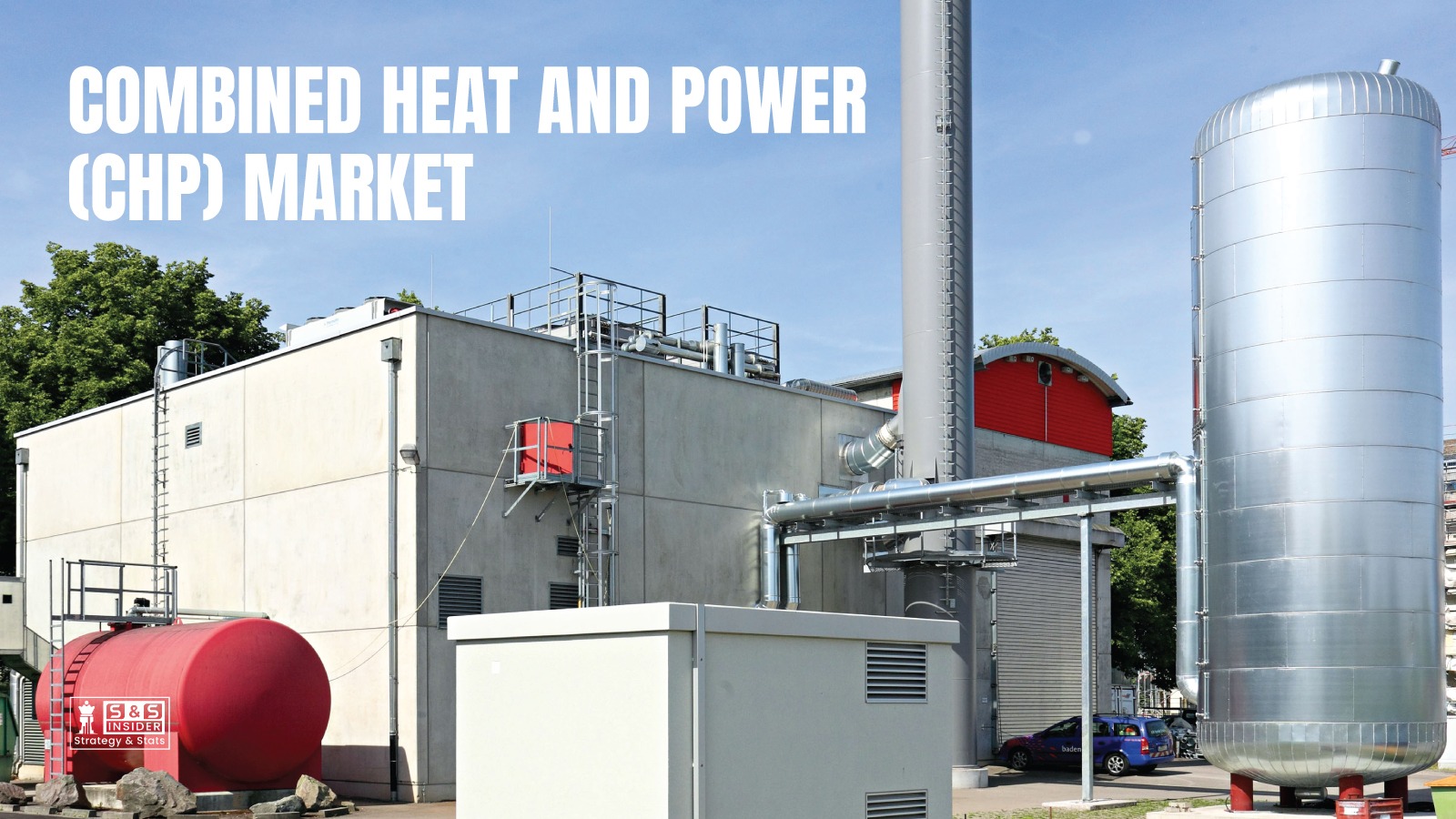
Leading Manufacturers in the CHP Industry
Siemens Energy
 Siemens Energy is a world-renowned manufacturer of energy systems which produces top-notch CHP units suitable for both industrial and utility scale plants. High-efficiency gas turbines, efficient integrated systems, and digital solutions are some of the strengths of Siemens Energy, and this makes it possible for the organization to offer CHP systems at industrial scale.
General Electric (GE)
 General Electric offers different types of CHP systems that enhance energy efficiency and improve grid reliability. Gas turbines, energy systems for hospitals, commercial buildings, and distributed energy systems are just but a few types of the products from General Electric that have made it prominent in the CHP industry.
Wärtsilä Corporation
 Wärtsilä designs and develops smarter energy solutions, flexible power plants and advanced CHP solutions. Since, the company is one of the leading manufacturers/brands of high efficient engines and energy optimization technologies for sustainable and reliable power generation, it has been serving various industrial & marine sectors
Mitsubishi Heavy Industries
 CHP systems with high-performance gas turbines and energy management technologies by Mitsubishi Heavy Industries Its solutions are deployed in manufacturing plants, district heating systems and large commercial buildings, aiding organizations in improving efficiency and reducing emissions.
Cummins Inc.
 Cummins designs, manufactures and sells a broad range of power generation technologies from natural gas and alternative fuel based combined heat &power (CHP) systems up to large scale diesel engines and related services. The solutions provided by the company are recognized for their reliability, high operational efficiency and above-par performance in industrial and commercial applications.
Caterpillar Inc.
 Caterpillar provides durable commercial and industrial (CHP) systems for local energy. Together its combined heat and power solutions reduce energy costs, while providing sustainable operational resilience. In addition, its network of service centers also enables the company to reach markets around the world.
Capstone Green Energy Corporation
 Capstone Energy has the world's only patented microturbine-based combined heat and power (CHP) systems that are used to produce clean efficient distributed energy. We are a company focused first and foremost on decreasing carbon emissions while providing reliable on-site power generation to our commercial and industrial customer base.
Advancing Sustainable Energy Through CHP Innovation
Combined Heat and Power provides the mechanism for effectively utilizing energy within modern regenerative infrastructure 426. In contrast to traditional power plants where a large proportion of the energy is wasted as heat, CHP systems harness thermal energy for use in heating and cooling applications. This move enhances energy efficiency by more than 80%, reduce cost while reducing carbon footprints.
CHP features are additionally being enhanced by technology: Digital monitoring systems, innovative gas turbines and cleaner fuel technologies boost the performance of heating plants. Hydrogen-ready systems, new systems and structures around fuel cells that make them much more efficient generation vehicles, as well as advances specifically in integration with renewable energy solutions, are advancing the ability of CHP to help the world move toward low-carbon energy solutions. With industries and governments having its focus more on becoming energy efficient, the adoption of CHP systems is expected to grow at a constant pace. Going forward, ongoing investment in decentralized energy systems and smart energy solutions should firmly establish CHP as an essential building block of future sustainable power generation.



