The entire Cosmetic Industry is undergoing a massive change as consumer behaviors have shifted in preference to premium skincare, customized beauty solutions, and greener options. Rising disposable incomes, better knowledge of personal grooming, and social media influence in the market lead to increased usage of skincare, haircare, color cosmetics, and perfumes across all demographics. Meanwhile, cosmetic innovations, powered by artificial intelligence and the rise of transparency about the ingredients involved in the production, make brands come up with creative formulations which answer new consumer needs.
The Cosmetics Market has been valued at USD 328.05 billion in 2025 and is likely to reach approximately USD 542.19 billion by 2035, growing at a CAGR of 6.49% in the time span 2026-35. The growth trend in the respective market is driven primarily by the increasing popularity of clean beauty products, expanding e-commerce business channels, AI-based personalization of skincare products, and the growing popularity of luxury cosmetics all over the globe. The Asia-Pacific region is the largest and fastest-growing market region due to the rising beauty awareness among the population and the strong presence of digital retailing chains.
Gain Actionable Intelligence on the Cosmetics Market – Request a Sample Report
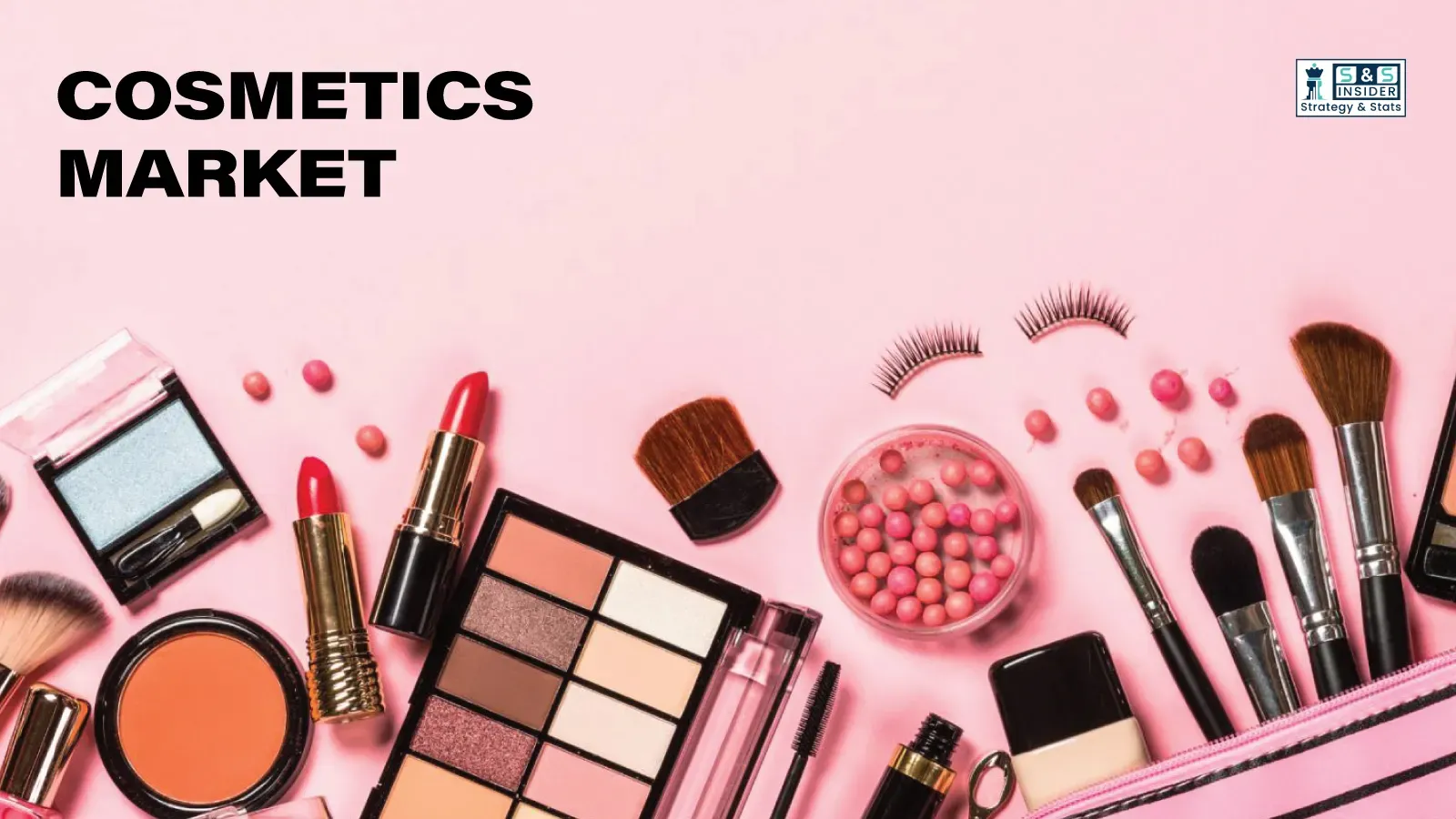
Below are Three Companies Playing a Significant Role in Advancing Innovation Across the Global Cosmetics Industry.
1. L'Oréal S.A.
 L'Oréal is a top global cosmetic brand, known for its diverse product line spanning skincare, makeup & haircare across premium, professional and mass-market beauty brands all over the world. Heavy investment behind a sizeable global footprint combined with ongoing innovation has allowed the company to remain in the pole position across many beauty categories. It is still heavily investing in artificial intelligence, sustainable formulation technologies, and digital beauty experiences. Its 2025 partnership with IBM includes the creation of generative AI which focuses on designing sustainable cosmetic formulation faster, while boosting ingredient optimization and product development efficiency.
2. The Estée Lauder Companies Inc.
 The Estée Lauder Companies Inc. has built a strong reputation as the leading manufacturer across the prestige beauty landscape in premium skincare, fragrances, cosmetics and luxury personal care brands. It is backed by a global retail network and close ties with department stores, specialist beauty retailers, and online marketers to help it continue its expansion. The company is closing its competitive position through AI-enabled product development, personalized consumer experiences and acquisitions in well-growth skincare and fragrance categories. With its ongoing "Beauty Reimagined" transformation program, the company continues to be very much focused on innovation and operational efficiency in order to grow sustainably well into the future.
3. Unilever plc
 Unilever has one of the largest personal care and beauty portfolios in the industry, serving a consumer base with an extensive skin, hair and wellness portfolio. The company is now well-positioned to cater the changing demand of consumers in mature and emerging markets due to its extensive geographical presence. The company further extends its sustainability efforts by adding refillable formats, bio-based ingredients and eco-friendly production methods. Continued investments in prestige beauty brands, e-commerce and clean beauty innovations will further bolster Unilever's position across the global beauty landscape.
Regional Growth Continues Across Global Markets
Asia Pacific is still the leading regional market and has also experienced the highest growth rate driven by increase in disposable income, expanding middle-class population, and high demand for premium beauty products. China, Japan, and South Korea have remained the forerunners in numerous aspects of skincare, digital beauty retail, and cosmetic product innovation, while K-beauty and J-beauty remain some of the trends affecting global consumers.
North America is still one of the main contributors to the beauty products market due to the well-developed infrastructure, higher consumer spending, and great acceptance of clean beauty products. Europe is contributing to further growth by enforcing tough laws and regulations in the cosmetics industry, advocating sustainability, and constantly innovating in dermatological skin care products. At the same time, the developing regions of Latin America and the MEA region are experiencing growing demand for beauty products driven by the increase in awareness about beauty products, the spread of digital commerce, and the availability of high-end beauty products.
The Road Ahead
The future of the cosmetic industry is bound to take shape owing to innovations in the fields of artificial intelligence, sustainable formulation of ingredients, biotechnology, and customized beauty solutions. Those companies that can marry technological advancements with green practices in production and online engagement strategies are likely to benefit from future market prospects.
With the changing trends of clean beauty, customised skincare and luxurious cosmetics products among others, the companies are projected to make more investments into areas of research, e-commerce, and sustainable packaging. Due to the increased uses in skincare, hair care, fragrances, and men's grooming, among others, the world cosmetics market will continue to grow steadily and be one of the most active sectors in the consumer goods industry.