
With the emergence of more connections within critical infrastructure via digital technology, cybersecurity of essential services has gained utmost importance for governments and businesses across the globe. The sectors including but not limited to energy, transportation, finance, healthcare, water, and telecom have grown increasingly dependent on operational technology (OT), industrial control system (ICS) and cloud-based connectivity.
However, this revolution in digitization has also increased the vulnerability to attacks by cybercriminals and nation-sponsored attackers. Cyber attacks on energy pipelines, grids, and industrial control systems have highlighted the dangers associated with such attacks and the damage that can be caused by them. As a result, significant investments are being made in state-of-the-art cybersecurity solutions incorporating threat intelligence, network security, OT security, and monitoring technologies.
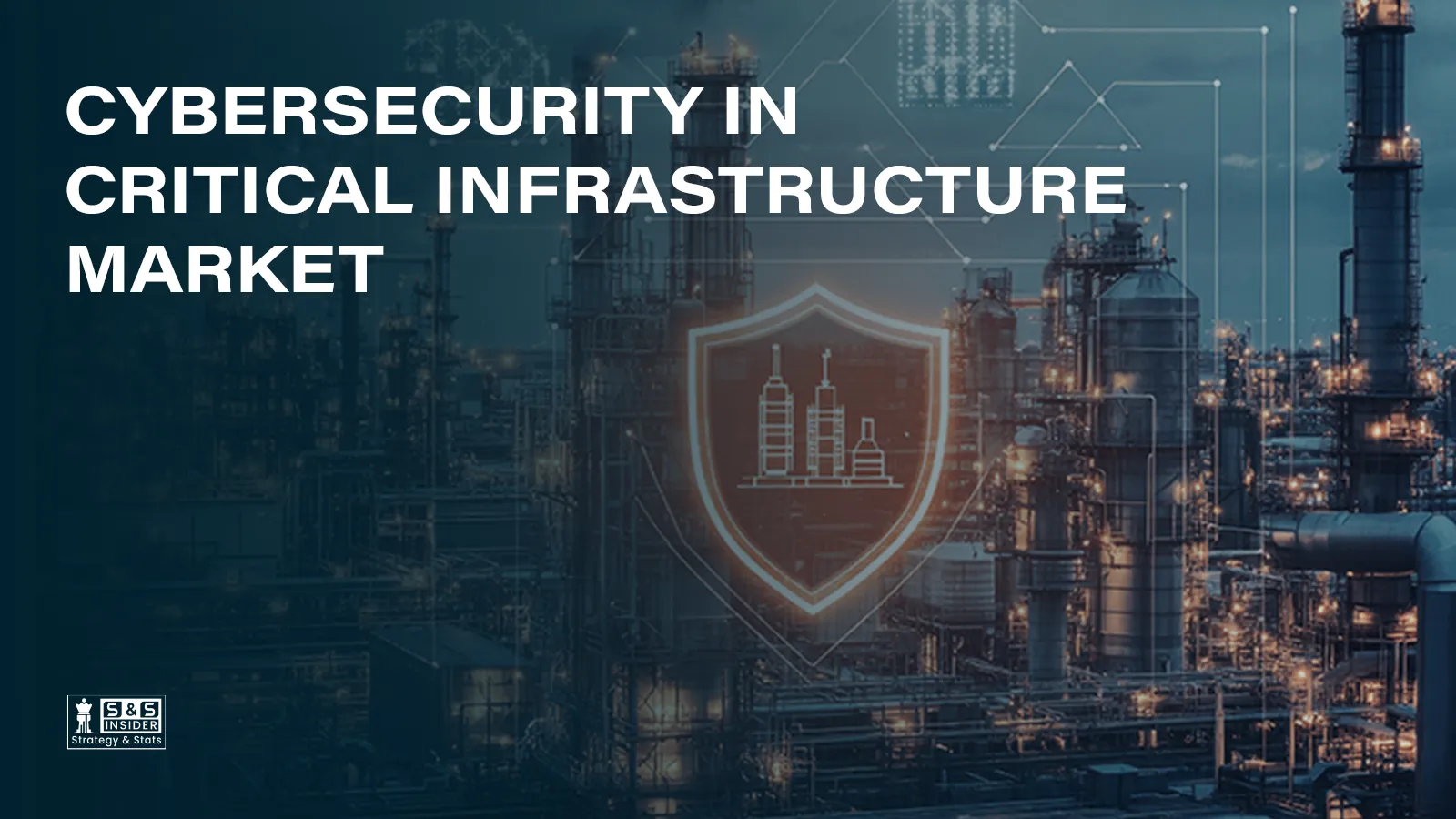
The global market value of Cybersecurity in Critical Infrastructure Market stood at $23.41 Bn in 2025 and is estimated to reach $34.98 Bn by 2035, witnessing a CAGR of 4.10% throughout the forecast period. Rising regulatory compliance, increased ransomware attacks, and increasing convergence between IT & OT systems are some major factors providing opportunities to cybersecurity players in this space.
Top 5 Cybersecurity in Critical Infrastructure Companies
1. Palo Alto Networks Inc.
Palo Alto Networks is a cybersecurity leader that is enabling operators of critical infrastructure to protect themselves against ever-evolving cyberattacks. The range of products offered by Palo Alto includes network security, cloud security, endpoint security, threat intelligence, and industrial cybersecurity. The services are popular among companies operating in the energy, utilities, transportation, and manufacturing industries for protecting their IT and OT systems. Artificial Intelligence and machine learning are deployed by the firm for detecting anomalies and automating the process of threat detection.
In 2025, Palo Alto Networks expanded its range of OT security solutions through the deployment of industrial protocol analysis and network segmentation solutions.
2. Fortinet Inc.

Fortinet is a significant vendor of cybersecurity solutions renowned for providing comprehensive security solutions that safeguard sophisticated enterprise and industrial networks. The Security Fabric solution from Fortinet provides unified visibility and security for networks, endpoints, clouds, and operational technology environments. The products of Fortinet related to industrial cybersecurity enable companies to ensure the safety of SCADA systems, industrial control networks, and remote operations. These solutions of Fortinet are especially useful for utility companies, energy companies, and transport companies that maintain distributed networks.
With the rapid transformation of industry through digitalization, Fortinet increases its line of cybersecurity solutions.
3. Cisco Systems Inc.

Cisco Systems is a crucial player in protecting critical infrastructure through an innovative combination of superior networking knowledge and cybersecurity innovations. Cisco offers secure industrial networking solutions that can enable organizations to safeguard interconnected operating environments while ensuring high availability. The cybersecurity offerings of Cisco include network segmentation, zero-trust access, industrial visibility, threat intelligence, and secure remote operations. With these features, infrastructure providers can manage cyber threats in ever more convergent IT and OT environments.
In 2025, Cisco launched its industrial network architecture with cybersecurity controls built into it to offer improved security for critical infrastructure and industrial operations.
4. Dragos Inc.

Dragos has positioned itself as an industry leader in operational technology cybersecurity, providing services aimed only at safeguarding industrial control systems and critical infrastructure systems. Unlike the majority of the other cybersecurity companies on the market, the solutions provided by Dragos are specially developed for industrial applications.
The platform provides asset discovery, continuous monitoring, vulnerability management, threat detection, and incident response functionalities. The threat intelligence division of the company follows industrial system adversaries and assists organizations to improve their security posture in light of new threats. With recent platform improvements, the company has increased its reach within multiple industrial protocols.
5. Schneider Electric SE

Schneider Electric integrates its energy management and industrial automation know-how with cybersecurity technology meant for protecting critical infrastructure. Some of the key markets where Schneider Electric operates include utilities, water treatment facilities, manufacturing, and data centers.
The cybersecurity products of Schneider Electric are aimed at securing industrial networks, managing risks to operations, and providing continuity to business processes. Schneider Electric provides consulting, monitoring, and cybersecurity assessments in addition to other services.
With the increasing connectivity of industrial infrastructure, Schneider Electric continues developing cybersecurity technologies.
Future Outlook
Future developments of cybersecurity for critical infrastructure will depend on the rise of digitalization, the strengthening of regulation, and the increase of the sophistication of cyber attacks aimed at critical infrastructure. In the course of modernizing old infrastructure and introducing new technologies into it, cybersecurity will be one of the key parts of each process of digital transformation.
The development of such technologies as artificial intelligence, behavioral analysis, and zero-trust architecture will become key for providing cybersecurity for industrial sites. Additionally, the growth of investments into cybersecurity solutions for OT will become helpful in overcoming problems specific to industrial control systems.
There is also an increase in cybersecurity requirements and resilience programs by governments globally to ensure the protection of their infrastructures against cyber threats. This trend is likely to keep creating the need for enhanced threat detection, management of security solutions, and real-time monitoring tools.
As the threat landscape evolves, providers of cybersecurity who are able to secure both IT and OT environments will always be key players in the process of protecting infrastructures.



