E-House technology is gaining growing significance as various sectors demand efficient, safe, and fast methods of power distribution. Also referred to as electrical houses or prefabricated substations, E-Houses comprise a complete modular electrical system that combines switchgear, transformers, control panels, protection systems, and automation systems within one enclosure. The use of E-Houses is widespread in various sectors including power utilities, renewable energy, mining, oil & gas, manufacturing, transportation, and data centers.
As per the report of SNS Insider, the value of the E-House Market in 2025 stood at USD 1.61 billion and is expected to grow up to USD 3.10 billion in 2035, which is expected to register a CAGR of 6.78% in the period from 2026 to 2035. The E-House market is growing on a steady basis owing to growing investment in renewable energy projects, grid modernization, industrial automation, and digital power generation. Increasing demand for modular substations and factory testing of electricity is motivating the utilities and industry players to use E-House technology. The combination of IoT-based monitoring systems, digital substations, switchgear, and intelligent controls has changed the entire scenario of competition in the industry. There is a massive investment by firms in sustainable electrical equipment, security, remote diagnostics, and tailor-made turnkey systems to cater to the increasing requirement of reliable and scalable power distribution. In the context of accelerating electrification and development of infrastructure by industries, E-Houses can prove very important.
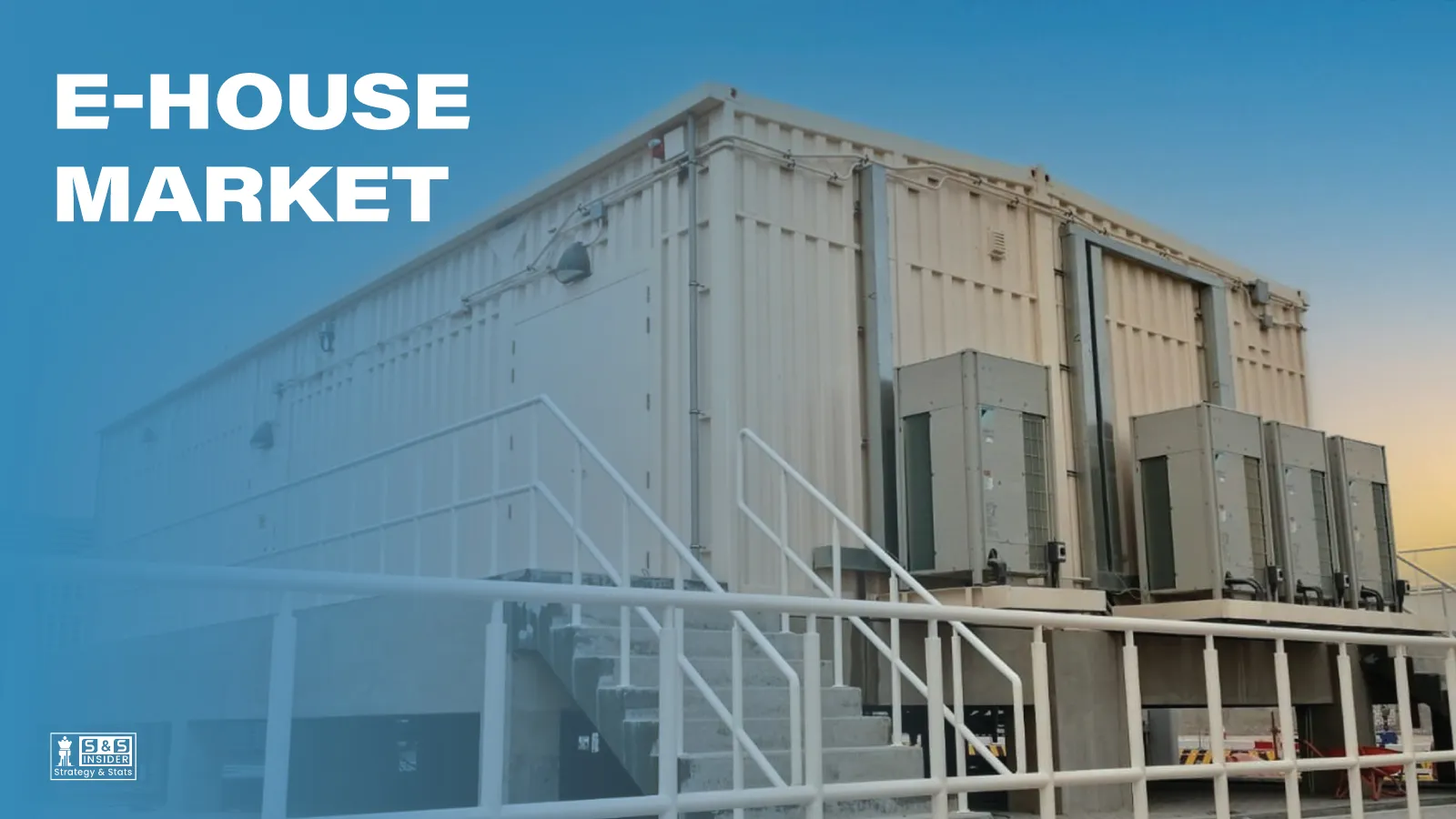
Below are five companies playing a significant role in advancing innovation across the global E-House market.
1. ABB Ltd.
 ABB Ltd. is one of the world’s biggest suppliers of electrification and automation solutions and is engaged in providing comprehensive E-House solutions for utility companies, renewable energy sources, mining, oil & gas, and industry applications. ABB’s modular substations include switchgears, transformers, protection, automation, and digitalization in one compact pre-assembled unit which simplifies the installation and commissioning process. In order to maintain its strong position, ABB is making efforts in the development of smart grid, digital substation, and sustainable electrification solutions.
2. Siemens AG
 Siemens AG is a world leader in technological innovations providing the latest E-House and power distribution system. This company offers prefabricated substation, medium/high voltage switchgears, and digital protection and automation systems for safe and secure power transmission for various industry sectors. In addition, Siemens AG is consistently growing its capabilities with the help of digitalization, cloud-based asset management, and innovative smart grids. It also pays great attention to developing intelligent monitoring, cybersecurity and preventive maintenance features of its E-House products, which allow optimizing energy consumption and building sustainable infrastructures.
3. Schneider Electric SE
 Schneider Electric is well known for its proficiency in managing energy and industrial automation systems. Schneider Electric offers tailored E-Houses to meet the needs of utilities, renewable energy installations, mining sites, data centers and manufacturing plants which need electrical solutions that are space-saving and pre-built at factories. Schneider Electric keeps making advancements in digital power management systems, EcoStruxure technology and smart electrical systems that increase visibility and energy efficiency. Through its focus on sustainability, connectivity and automation, Schneider Electric helps install reliable modular substations for current electrification programs.
4. Eaton Corporation Plc
 Eaton Corporation is an organization which is known for its power management systems. They provide a range of E-House modules with the switchgear, motor control centers, transformers, protective systems and control systems. Their products help their industrial, commercial, utility and energy customers to work in harsh conditions all over the world. Their main area of work is the creation of strong and efficient electrical systems by digital means, advanced protection systems and modular design systems.
5. Powell Industries Inc.
 Powell Industries is a firm specializing in designing custom-built electrical systems for industrial purposes. The company's range of E-Houses include modular substations, electrical control buildings, switchgear assemblies, and power distribution systems that can be found in oil and gas, petrochemical, utility, mining, and transport projects. Powell Industries has been improving its competitive standing through designing unique products that require little site work and provide high levels of reliability. The combination of engineering skills, safety focus and turnkey solutions offered by the company have helped Powell establish itself as a reliable partner for large industrial projects.
Future Outlook: Smart Electrification and Modular Infrastructure Will Shape the Next Era of the E-House Market
The world E-House market is likely to grow consistently in the coming years due to ongoing government and industry investment in renewable energy integration, modernized grids, industrial automation, and digitized infrastructure. The rising demand for fast installation of power distribution systems, together with rising electricity consumption by data centers, EV infrastructure and intelligent manufacturing facilities, will bolster market growth. The implementation of IoT-based monitoring, digital substations, and environmentally-friendly switchgear will mark the future E-House installations.
North America is expected to continue to be the dominant regional market because of the investments in the modernization of utilities, industrial electrification and renewable energy projects that have been made in the U.S. and Canada. On the other hand, Asia-Pacific is expected to record the highest growth because of industrialization, the development of infrastructure, smart grids, and the increase in energy needs in China, India, Japan, South Korea, and Southeast Asia. With industries increasingly focusing on operational efficiency and resilient electrical infrastructures, the demand for advanced modular E-House systems will keep growing. Organizations that invest in intelligent automation, digital monitoring, cybersecurity, sustainable electrical systems and customized power solutions will enjoy a competitive edge in the E-House market.