
There has been rapid proliferation in the use of smartphones, laptops, household appliances, and other types of electronic devices which have contributed to increasing amounts of electronic waste produced globally. With advancing technology and decreasing product lifespans, there is an increasing need from the government and businesses for sustainable disposal of these devices. E-waste recycling has proven itself as one of the most important processes to cut down the number of items in landfills and recycle valuable resources and components for production of sustainable goods.
Advanced technologies such as artificial intelligence, sorting, real-time tracking of assets and data destruction are making electronic waste recycling a fast and transparent process. Simultaneously, growing environmental protection laws and EPR along with business sustainability projects make manufacturers and individuals use certified recycling companies. Precious metals, plastics and rare earth metals recovery makes the market very promising.
SNS Insider reports that the value of the Electronic Waste Recycling Market in 2025 was USD 51.57 billion and it is expected to grow to USD 85.54 billion in 2035 with a CAGR of 6.53%.
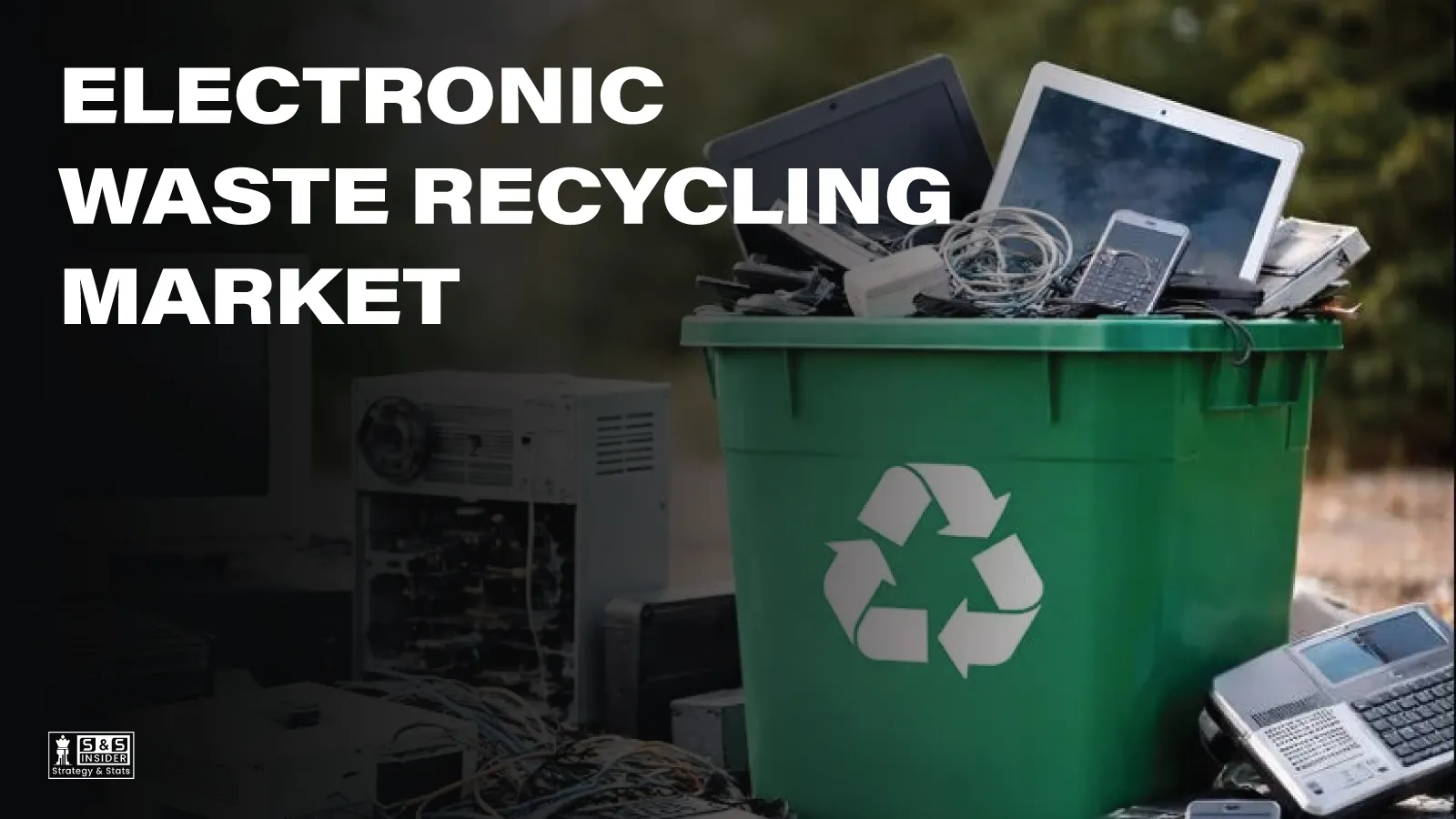
Below are companies that are playing a major role in shaping the future of the electronic waste recycling industry.
1. Sims Recycling Solutions
 One of the largest companies providing the e-waste recycling service around the world is Sims Recycling Solutions, which delivers full-service recycling, ITAD, and secure data destruction services. The recycling company offers its services to commercial, governmental organizations, and individuals through a large network of certified recycling facilities around the world. Innovations concerning material recovery and recycling at Sims help achieve the goals related to recovery and the development of a circular economy.
2. Veolia Environnement S.A.
 Veolia has been able to become one of the leaders among global companies delivering environmental services thanks to the provision of services of electronic waste recycling and waste management. Metal recovery and low environmental footprint are among the priorities of the company. Thanks to technology and sustainable recycling, Veolia helps businesses comply with environmental regulations.
3. Electronic Recyclers International (ERI)
 ERI is known for its experience in electronic waste recycling, cybersecurity and IT asset disposition services. Yearly, the company disposes of millions of electronic items adhering to strict environmental and data security standards. With automation, use of artificial intelligence and tracking technologies, efficiency of work has grown and the clients are becoming more confident about secure recycling of their electronics by the company.
4. Umicore N.V.
 Umicore established a good reputation because of developing innovative methods of precious metals recycling. Umicore specializes in recycling precious metals such as gold, silver, copper, palladium and other metals from complicated electronic waste streams. Continuous development of sustainable technologies of metallurgy enables the company to recycle expensive metals and become independent of raw materials extraction.
5. Attero Recycling
 Attero Recycling is among the prominent players in the market that deals with the recycling of electronic waste and lithium-ion batteries because of its sustainable handling of electronic waste. With its increasing number of processing facilities and investment in technology, Attero is becoming a significant player in the expanding electronic waste recycling industry.
6. Stena Recycling
 Stena Recycling is a company dealing with the recycling of electronic equipment, industrial waste, and valuable material in several industries. It assists companies to enhance their sustainability performance by collecting and recycling their electronic waste. Its emphasis on digitalization and environmentally friendly recycling process makes it a leading company in the global recycling industry.
Key Trends Shaping the Future of Electronic Waste Recycling
The recycling of e-waste is being assisted by more AI, automation, and robotics to improve material identification and segregation. Recycling certification, data destruction, and tracking services are becoming essential services, especially as businesses seek transparency and compliance with the regulatory framework. The extraction of precious metals such as gold, copper, lithium, and rare earth minerals is turning out to be profitable with reduced dependence on virgin raw materials.
The governments across the globe have also introduced stringent extended producer responsibility laws along with the implementation of circular economy principles to manage e-wastes effectively. The Asia Pacific region is expected to witness the highest growth rate for the market due to the process of urbanization and increased consumption of electronics, while North America is forecasted to maintain its leadership due to advancements in recycling technology and recycling certification.
Future Growth Prospects
Electronic Waste Recycling will become increasingly significant in shaping the sustainable future of the world economy as electronic consumption keeps increasing. Automation, artificial intelligence, resource recovery and battery recycling technologies will help recyclers extract additional value from e-waste while minimizing negative effects on the environment and landfill deposits.
Those firms which will use innovations in recycling technology, regulatory compliance, secure IT asset disposal, and circular economy principles will maintain their competitive advantage for years to come. As governments, corporations, and people focus increasingly on sustainability, the electronic waste recycling industry will become even more essential in protecting our planet's resources.



