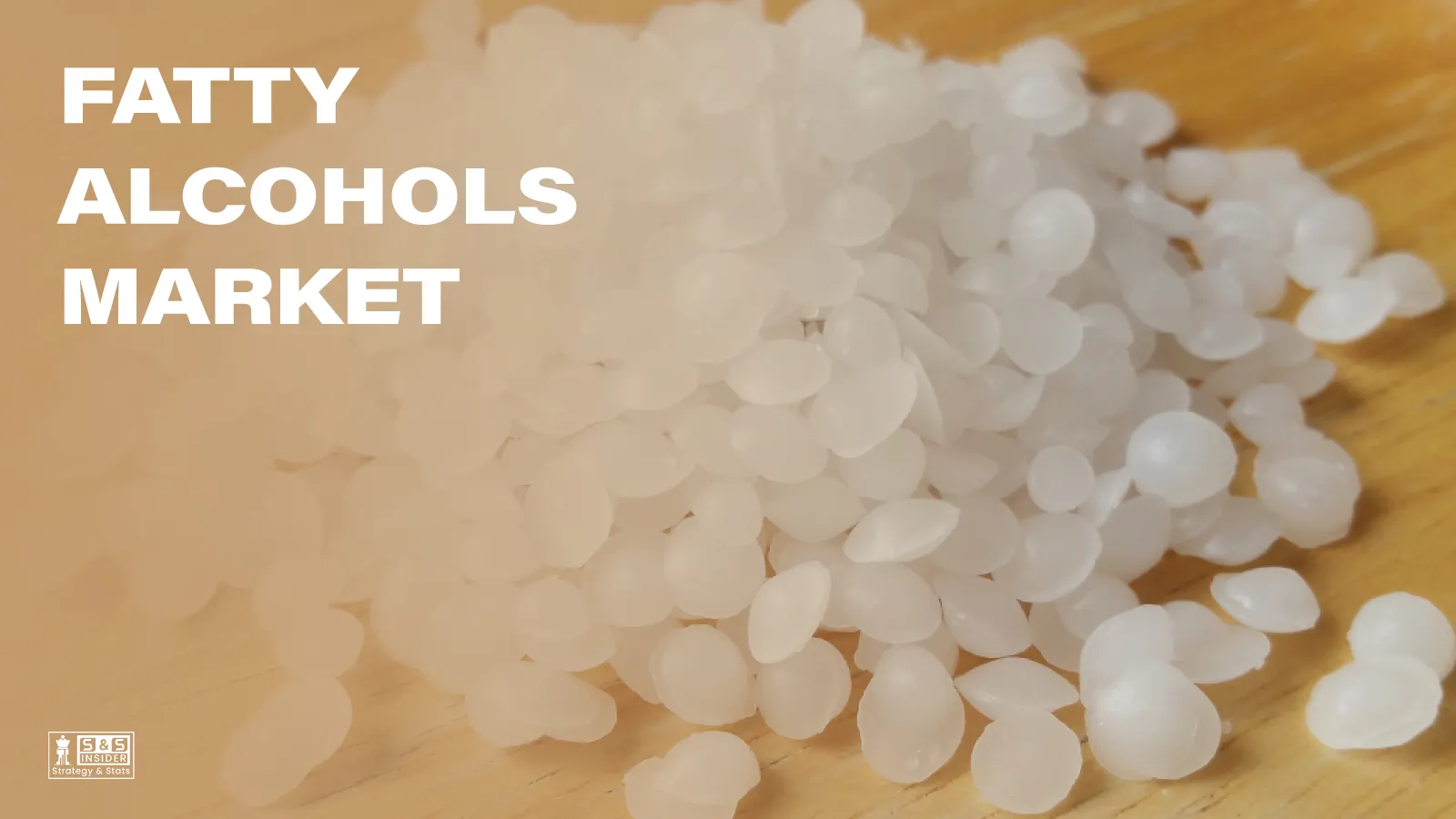
Fatty alcohols have been found extremely useful in a variety of industries including cosmetics, household, pharmaceuticals, plastic, lubricant, and chemical manufacturing. Being produced from feed stocks like palm oil and coconut oil, fatty alcohols play a significant role as emulsifier, surfactant, thickening agent, and moisturizer in the modern manufacturing industries. As more and more industries are turning towards the production of sustainable and biodegradable products, the significance of fatty alcohols commercially is on rise.
Increasing awareness among the consumers regarding eco-friendly products and tough environmental laws are leading many manufacturers to switch towards bio-based raw material from petro-chemical based ones. Moreover, increasing use of fatty alcohols in the production of sustainable packaging materials, lubricant and plastic is another factor responsible for the rising significance of fatty alcohols globally.
The Global Fatty Alcohols Market size is estimated to be worth USD 6.05 billion in 2024 and it is expected to be worth USD 9.63 billion by 2032 growing at CAGR of 5.97% from 2025 to 2032. Demand for fatty alcohols from personal care, soaps & detergents, and industrial manufacturing industry segments as well as increasing application of bio-based chemicals will drive the market growth.
Major Trends Reshaping the Fatty Alcohols Industry
Several important trends are influencing the future of the fatty alcohols market:
- Increasing use of fatty alcohols in bio-degradable packaging materials and sustainable industrial applications.
- Increased investments in biotechnology and renewable raw material sources for the production of fatty alcohol bio-chemically.
- Expansion in environmentally friendly surfactants and specialty lubricants usage.
- Focus on reduction of carbon footprints through sustainable production of renewable chemicals.
- Increased innovations in palm oil free and sustainable fatty alcohol products for solving environmental issues.
These developments are strengthening the industry's transition toward sustainable manufacturing while creating new commercial opportunities for producers worldwide.
Leading Fatty Alcohols Companies Transforming the Industry
1. Wilmar International Ltd.
 Wilmar International happens to be one of the biggest producers of oleochemicals and renewable raw materials. Wilmar International produces fatty alcohols for use in many sectors such as personal care, detergent, industrial chemical, and food segments.
2. Kuala Lumpur Kepong Berhad (KLK Oleo)
 KLK Oleo produces quality oleochemical ingredients such as fatty alcohols, esters, and surfactants. KLK Oleo still commits itself to sustainable production techniques as it serves industries with ingredients for use in the manufacture of cosmetics, pharmaceuticals, and household items.
3. Sasol Limited
 Sasol is among the biggest suppliers of specialty chemicals and fatty alcohols in the personal care industry, industrial segment, and packaging sector. Sasol has added more fatty alcohol product lines in its product list including bio-based fatty alcohols and palm-free fatty alcohols.
4. BASF SE
 BASF has been creating advanced fatty alcohols for use in home care, personal care, and industrial purposes. With ongoing research and partnership efforts, the company is working to enhance its technologies for sustainable production as well as adding more renewable chemicals to its range of products.
6. Emery Oleochemicals
 Emery Oleochemicals has been providing sustainable renewable specialty chemicals made from natural oils and fats. Its products find applications in various fields like lubrication, polymer and coating industries, personal care and manufacturing industries.
7. Godrej Industries Limited
 Godrej Industries is an oleochemicals firm that provides fatty alcohols to end users in the personal care, household, pharmaceutical, and industrial segments. Godrej Industries continues developing their production capacities while focusing on sustainable production processes and renewable feedstocks.
Regional Growth Outlook
The Asia Pacific region leads the global market for fatty alcohols as the region is blessed with plenty of production of coconut and palm oils and also has good manufacturing capabilities.
Growth in North America is forecast due to the increasing demand for bio-based chemicals, environmentally sustainable consumer goods, and innovations in specialty chemicals production.
Europe is also seen as a promising market on account of stringent environmental policies, increased use of renewables, and rising use of biodegradable chemicals in cosmetics, domestic and industrial sectors.
The Future of Fatty Alcohols
Sustainability, use of renewable sources, and constant innovation in the realm of green chemistry would be major factors affecting the future of the fatty alcohols industry. Growing emphasis of companies on sustainable practices like biotechnology, low carbon manufacturing process and environmental sources would allow them to keep pace with the changing needs of consumers and regulations. With industries replacing their petrochemical based products with more sustainable options, fatty alcohols are set to have a greater impact on various sectors including personal care, packaging, specialty chemicals and manufacturing processes.