
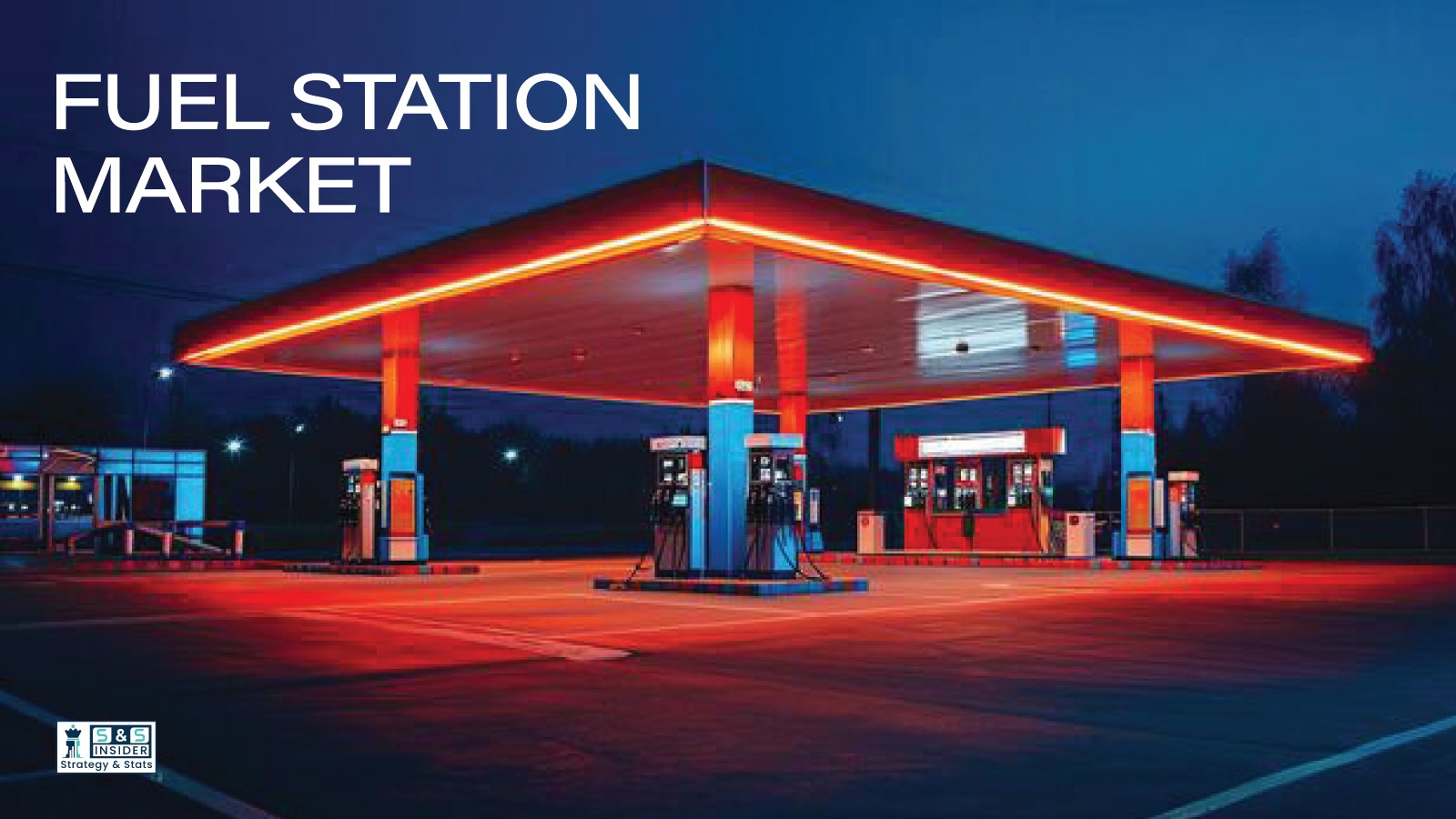
Fuel stations have changed significantly from the basic role of fuel suppliers to becoming energy and mobility centers that cater to transportation and logistical requirements along with customer convenience needs. The new generation of fuel stations provides advanced fueling facilities, electronic payment systems, EV charging services, retail facilities and sustainability-based energy services. Vehicle proliferation, transport connectivity, and increased energy demands are prompting businesses to improve their fuel station management capabilities.
According to SNS Insider, the Fuel Station Market was valued at USD 1.75 trillion in 2025 and is expected to reach USD 2.36 trillion by 2035, growing at a CAGR of 3.10% from 2026–2035. The growth can mainly be attributed to the increase in transportation activities worldwide, the construction of new highways, increased fuel usage in developing countries, and integration of electric vehicle charging facilities and technology in fuel stations.
Key Fuel Station Providers Strengthening Energy Distribution Networks
1. Shell plc
 Shell is a leading multinational energy organization that runs a wide array of fuel stations across the globe. Its products include gasoline, diesel, lubricants, electric vehicle chargers, and convenient retail services aimed at providing traditional and future transport solutions. The firm has a strong emphasis on digital fuel stations, low carbon energy, and sustainable mobility projects. Shell has lately enhanced the scope of electric vehicle chargers along with introducing more low-carbon energy sources in various global markets.
2. BP plc
 BP is another large energy firm with an impressive global network of fuel stations that provides services including transportation fuel products, convenient services, lubricants, and EV chargers. The energy firm is putting considerable efforts into energy transition through the inclusion of renewable energy and technology into fuel retail businesses. Besides, it also concentrates on offering customer convenience services via advanced payment and mobility services. It has recently scaled up its EV charger service while updating fuel station formats.
 Exxon Mobil is an internationally renowned integrated oil and gas corporation that maintains a robust international footprint through its fuel retail business and cutting-edge fuel technologies as well as high-end lubricant products. Some of the products offered by the corporation include gas, diesel, chemical products, and other convenience services for customers using the products in their commercial and personal vehicles. The firm has been able to develop its fuel retail business by leveraging technology and improving fueling infrastructures.
 Chevron is an oil and gas corporation with an extensive network of fuel stations across different international jurisdictions, where it offers transportation fuels, lubricants, and other retail convenience services. The corporation focuses on innovative fuels, efficient logistics, and lower carbon energy to ensure that future mobility needs are adequately met. Additionally, Chevron has been expanding its footprint by focusing on digital payments.
 TotalEnergies is building multi-energy stations that combine conventional fuels with renewables and electric mobility technology. Their range comprises fuels, charging stations for electric vehicles, hydrogen infrastructure, and convenient retail stores. Sustainability, carbon neutrality, and diversification of energy sources have become key factors for this company. Lately, TotalEnergies has increased investments in high-speed charging stations for electric cars and renewable energy in several countries in Europe and Asia.
 PetroChina runs one of the most extensive retail networks of fueling stations in Asia offering various fuels, such as gasoline, diesel, lubricants, and natural gas. It provides services not only to commercial customers but also urban population. The firm continues developing its network through modernization, improvement of fuel performance, and digitalization. Lately, PetroChina made efforts in the area of clean energy increasing its natural gas and alternative fuels production.
 Sinopec is one of the leading energy companies that provides chemicals and fuels around the world through a large network of service stations which cater to passenger transport, cargo movement, and industry players. The company's product portfolio comprises refined fuels, lubricants, petrochemicals, hydrogen energy sources, and retail convenience services. The main emphasis is placed by the corporation on integration of renewable energy sources and modern digital services at its service stations. Recently, Sinopec has ramped up its efforts towards development of a network of hydrogen refueling stations.
8. Indian Oil Corporation
 Indian Oil Corporation is India's biggest fuel service provider with a network of service stations spread throughout cities, rural areas, and highways. The company's product range includes petrol, diesel, LPG, lubricants, EV charging points and alternative fuel solutions aimed at facilitating India's growing mobility sector. Recent developments include the introduction of additional alternative fuel solutions and expansion of its EV charging stations.
The Future Shift Toward Smart and Sustainable Fuel Stations
The fuel stations industry will definitely see huge changes in the years to come as new fueling technologies and changing mobility dynamics will completely restructure the transport systems worldwide. Although some areas might still remain dependent on classic fuel stations, those companies that fail to adapt to the emerging challenges will be forced to look for alternative business models to ensure their profitability.
Thus, in the future, fuel stations are expected to become multi-functional mobility centers that will provide much more services than regular fueling only. In particular, such places could provide their customers with access to EV chargers, hydrogen fueling stations, and other services that will be demanded by consumers. At the same time, environmental protection concerns will certainly play an important role in further evolution of the industry.



