
In line with that, the market for military rotorcraft has been changing at a gradual pace as countries invest heavily in modernization, operational efficiency, and mission flexibility. These aircraft include helicopters and other types of vertical take-off planes. The military rotorcraft industry continues to be a key sector in the defense industry because they offer an advantage in terms of mission versatility.
Due to the increased number of geopolitical challenges and budget growths in many countries, it has been noted that there is a rising trend in the replacement of aging helicopter platforms with advanced rotorcraft. This is attributed to the fact that these old platforms were expensive to maintain and were inefficient.
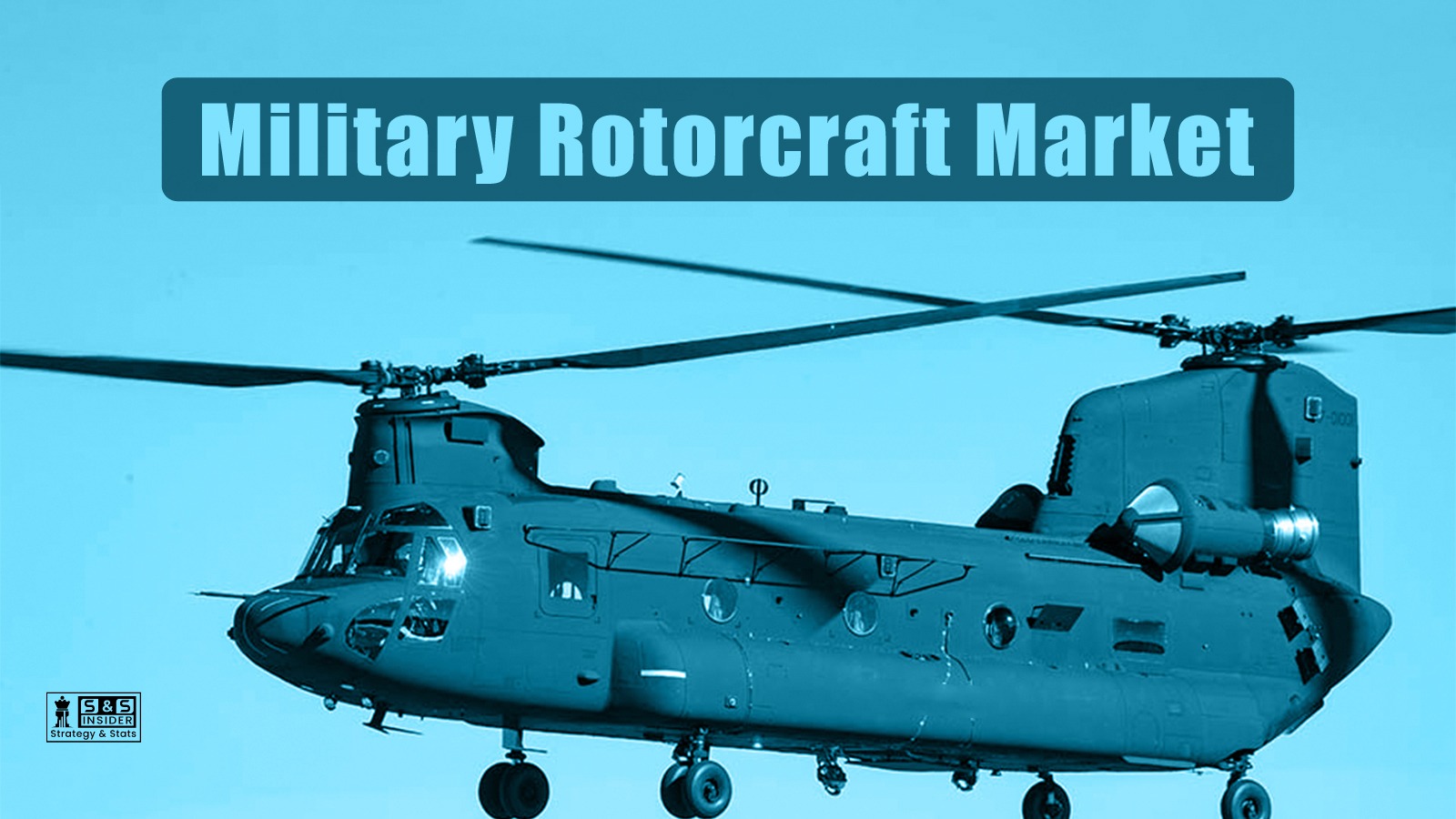
The Military Rotorcraft Market size is estimated at USD 21.10 billion in 2025 and is expected to reach USD 29.21 billion by 2035, growing at a CAGR of 3.31% during the forecast period 2026–2035.
Leading Military Rotorcraft Manufacturers Intensifying Global Market Competition
1. Lockheed Martin Corporation
 Lockheed Martin is an important defense contractor that is skilled in advanced aircraft systems and rotorcrafts. Lockheed Martin aims at developing advanced mission systems and avionics through the development of advanced mission platforms. The investment by Lockheed Martin in next generation vertical lift programs increases its relevance in the modern-day defense aviation industry. The firm places a lot of emphasis on network-centric warfare and interoperability. Rotorcrafts by Lockheed Martin are suited for all aspects of military operations.
2. The Boeing Company

Boeing is one of the major aerospace manufacturers specializing in military helicopter rotorcrafts. The company specializes in platforms that serve the functions of transport, attacks, and support. Boeing emphasizes on improving performance, cargo capacity, and versatility of these platforms. Boeing continues to invest in rotorcraft development programs.
3. Airbus Helicopters

Airbus Helicopters is a major international producer of military and civil rotorcrafts. The firm produces a variety of military rotorcrafts, suitable for tactical transport and operational purposes. Innovation, safety, and versatility are the cornerstones of Airbus Helicopters. The company consistently upgrades its military division by modernizing operations. Due to Airbus' vast European and international reach, there is an assurance that there will always be a high demand for their products.
4. Leonardo S.p.A.
 Leonardo is one of the major firms involved in defense and aerospace manufacturing. This firm provides advanced solutions for military rotorcrafts. Leonardo specializes in mission system integration and avionics systems. The firm provides helicopters extensively employed in defense, security, and emergency missions. Leonardos continuously invests in research and development of future vertical lift capabilities.
5. Russian Helicopters
 Russian Helicopters produces military rotorcraft that play a key role in the defense industry and are popular not only in Russia but also overseas. The company provides many models of utility, transport, and attack helicopters. Its main features include reliability, effectiveness, and ability to operate under harsh conditions. Russian Helicopters keeps introducing innovations into its models. Thanks to strong connections with defense, its helicopters have steady demand.
6. Bell Textron Inc.
 Bell Textron is known for producing rotorcraft and new military helicopters. The company concentrates on vertical takeoff aircraft and their versatility. Bell Textron creates its models to provide customers with flexible and efficient operation. In addition, Bell works actively on its defense programs and prototypes.
Industries Dynamics Accelerating Growth in Military Rotorcraft Demand
The rotorcraft market in the military industry is mainly motivated by modernization drives around the world and the need for replacement of old helicopters. The helicopters being replaced have been operating for decades now, resulting in high maintenance expenses, poor operational readiness, and inability to execute current battle tactics.
Geopolitical complexities are another motivating factor behind defense forces buying more advanced multi-role rotorcraft. The helicopters are expected to carry out various functions such as transporting troops, ISR activities, combat support, and emergency response missions.
Defense spending on acquiring rotorcraft with advanced equipment such as sensors and communication systems has increased in many governments to cope with current warfare techniques and strategies.
Modernized rotorcrafts are equipped with avionics, sensors, and communication technologies that help in supporting the concept of network-centric warfare. Other motivating factors include the ability of platforms to survive and be able to carry heavy payloads efficiently.
Future Outlook: How Military Rotorcraft Are Evolving to Meet Modern Defense Requirements
Market conditions within the realm of military rotorcraft are forecasted to be stable and innovative as the defense agencies continue to modernize their rotorcraft fleet. Companies are investing into researching and developing high performance and cost-effective platforms.
In light of evolving security challenges, there will be a growing need for multi-role rotorcraft that will provide additional functionality by having enhanced digital warfare capabilities and incorporating advanced sensors. Rising investments in defense modernization and development of new aviation technology will aid market expansion.
The military rotorcraft market will become an integral part of modern defense systems in years to come. Given the technological advancements and changes in geopolitics, the market appears poised to become a strategic key player with continued growth.



