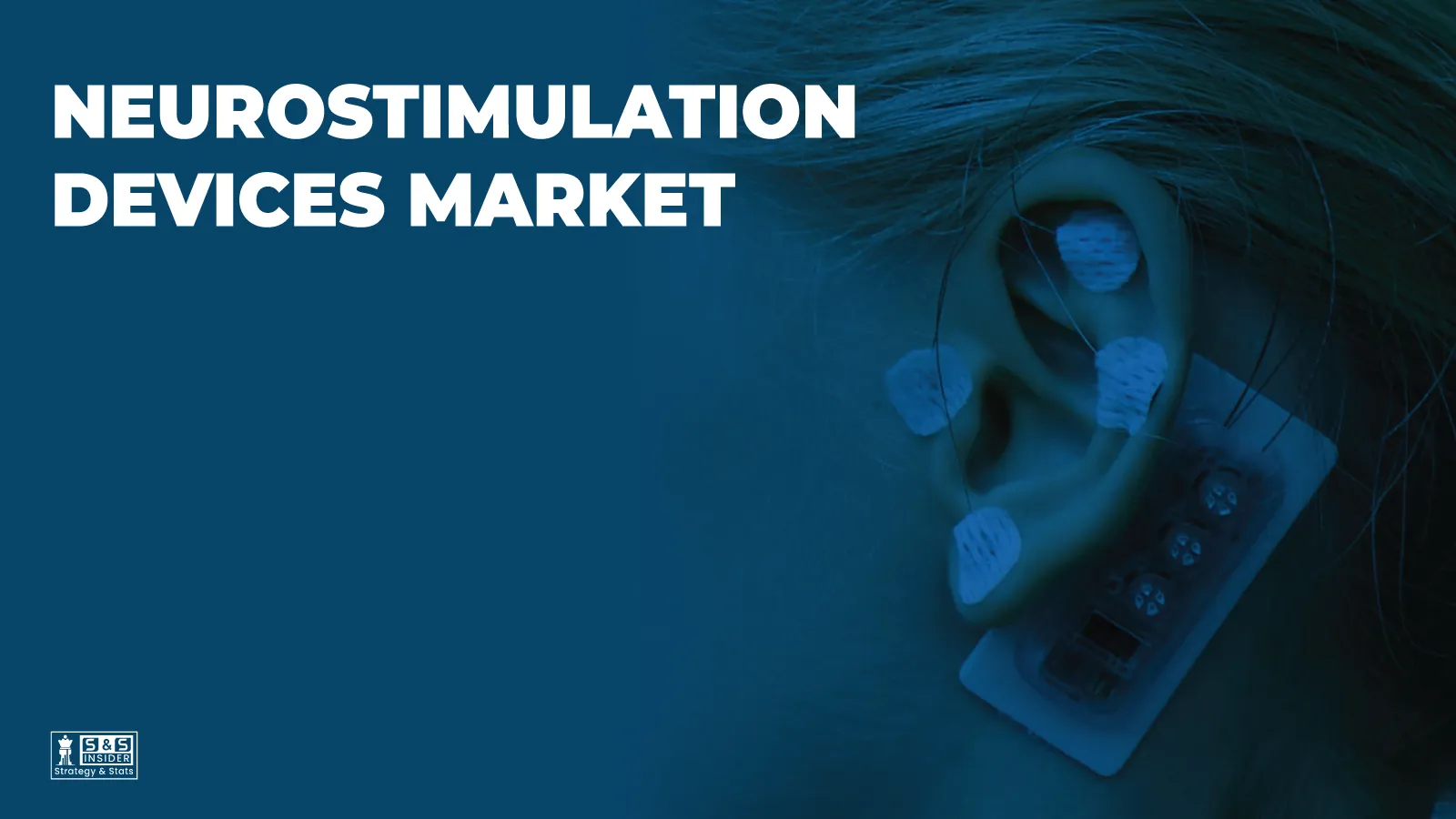
The global neurostimulation devices market is experiencing significant growth due to the increasing prevalence of chronic pain, neurological disorders, and movement-related conditions, including Parkinson's disease and epilepsy. Neurostimulation technologies, such as spinal cord stimulators, deep brain stimulators, and vagus nerve stimulators, are increasingly used to manage neurological symptoms and provide treatment alternatives for patients who do not respond adequately to conventional therapies.
The Neurostimulation Devices Market was valued at USD 6.95 billion in 2025 and is projected to reach USD 20.64 billion by 2035, registering a compound annual growth rate (CAGR) of 11.50% during 2026–2035. Advancements in technology, growth in minimally invasive procedures, better reimbursement schemes, and increased investment in neurological healthcare are opening up opportunities for medical device manufacturers.
Regional Analysis of the Neurostimulation Devices Market
The neurostimulation devices market is growing in North America, Europe, Asia-Pacific, Latin America, and Middle East & Africa owing to rising healthcare spending, innovations in technology, and increasing awareness about neuromodulation. North America captured the highest market share at 42.00% in 2025 due to well-developed healthcare infrastructure, favorable reimbursement scenario, and presence of prominent medical devices companies. The U.S. market size was estimated to be worth USD 2.63 billion in 2025 and forecast to reach USD 7.63 billion by 2035.
Europe is considered a key market because of developed healthcare facilities, higher preference for minimally invasive procedures, and rising demand for neurological treatment. Asia-Pacific market is expected to grow at a faster rate during 2026–2035 at a CAGR of 14.04% on account of growing healthcare infrastructure, increasing prevalence of neurological diseases, and increased availability of advanced medical technologies. Latin America and Middle East & Africa are also witnessing lucrative prospects owing to healthcare reforms, rising investments in medical technology, and awareness about neurostimulation.
Top 10 Trends in the Neurostimulation Devices Market
-
Increasing adoption of spinal cord stimulation: Increasing need for treatment of peripheral neuropathic pain conditions has led to increased usage of spinal cord stimulators in many hospitals and specialized pain clinics.
-
Expansion of deep brain stimulation therapies: The rise in use cases for Parkinson's disease, essential tremors, and dystonia is driving the acceptance of cutting-edge deep brain stimulation technology.
-
Integration of artificial intelligence: Programming, stimulation, and monitoring techniques that use artificial intelligence (AI) can enhance personalization and performance of devices.
-
Growing preference for minimally invasive procedures: Development in the technology of implantations is assisting in simplifying the processes, reducing recovery periods, and minimizing complications.
-
Development of rechargeable neurostimulation devices: Improved recharging systems and long-lasting batteries are making treatments easier for patients to undergo.
-
Increasing demand for MRI-compatible devices: The manufacture of such systems is underway that offers increased flexibility to patients who need diagnostic imaging in their neurological treatment process.
-
Expansion of wearable neurostimulation technologies: Noninvasive and wearable devices have received increasing interest in pain management, rehabilitation, migraine, and other neurological treatments.
-
Growing applications in psychiatric disorders: The use of neuromodulation therapy in resistant depression and associated disorders is increasing its scope in the field of neurostimulation.
-
Integration of remote monitoring systems: Therapy adjustments, patient monitoring, and follow-ups are being enabled by digital health platforms and connected devices.
-
Increasing investment in personalized neuromodulation: Closed loop stimulation, nerve modulation, and individualized therapies have been providing support for future innovations in devices.
Unlock exclusive market insights. Download the brochure to explore global neurostimulation devices market trends, emerging opportunities, competitive developments, and forecasts through 2035.
Neurostimulation Devices Market Growth Drivers and Opportunities
Neurostimulation devices are seeing growth owing to the rising incidences of neurological diseases and chronic and movement-related disorders. Increasing incidences of Parkinson's disease, epilepsy, migraine and neuropathic pain are driving demand for new treatment options. Awareness among doctors and availability of specialized treatment centers and advancement in implantable and non-invasive devices are some of the other factors that are driving market adoption. New developments in rechargeable devices, closed-loop devices and programmable devices are helping in increasing accuracy in treatment.
Opportunities exist in areas like wearable neurostimulation devices, personalized medicine, minimally invasive procedures and digital health integration. Opportunities exist in Asia-Pacific region and other emerging regions because of aging population and increase in neurological healthcare infrastructure in these regions. Some of the restraints in this market include high cost of device, surgical risk, limited reimbursement options and long approval process. Companies investing in clinical studies, cost-effective technology development, safe devices and advanced stimulation systems can gain a competitive edge up to 2035.
Top 10 Companies Leading the Neurostimulation Devices Market
-
Medtronic plc
-
Boston Scientific Corporation
-
Abbott Laboratories
-
LivaNova PLC
-
Nevro Corp.
-
NeuroPace, Inc.
-
Aleva Neurotherapeutics SA
-
Synapse Biomedical Inc.
-
Neuronetics, Inc.
-
NeuroSigma, Inc.
Unlock exclusive market insights. Request the free sample report to explore the global neurostimulation devices market.
1. Medtronic plc
 Medtronic is an enterprise involved in producing neurostimulation devices for pain, movement disorders, and neurological diseases. The firm produces such devices as spinal cord stimulators, deep brain stimulation systems, and peripheral nerve stimulators. It invests in clinical research, technological development, and improvements in the method of delivering treatments to people in need of neurological treatment. The enterprise's health care network and existing technological expertise ensure its involvement in the market of neurostimulation devices.
2. Boston Scientific Corporation
 Boston Scientific designs neuromodulation products for treating chronic pain and neurological diseases. The range of the company's products includes spinal cord stimulators and deep brain stimulators designed to deliver targeted treatments. The firm pays attention to programming the devices, minimally invasive procedures, and conducting clinical research. The collaboration with healthcare professionals ensures advanced neurostimulation solutions in various healthcare sectors.
3. Abbott Laboratories
 Abbott creates various medical technology solutions, including implantable neurostimulation systems for pain and neurological conditions. Abbott's neuromodulation products include Spinal Cord Stimulation (SCS) and Dorsal Root Ganglion Stimulation (DRGS) systems. The company prioritizes individual treatment solutions, patient comfort, device efficiency, and innovation in the area. Research activities and international healthcare operations of Abbott assist in creation of neurostimulation solutions for patients who need personalized pain management.
4. LivaNova PLC
 LivaNova works in the medical technology sphere with experience in development of neuromodulation therapies for neurological conditions. The company specializes in vagus nerve stimulation systems that are applied in the treatment of some therapy resistant neurological conditions. The company's focus on the development of new medical devices, clinical evidence and specialized therapies assists in participation in neurostimulation industry.
5. Nevro Corp.
 Nevro provides the neurostimulation technologies that are used in the treatment of chronic pain. The company specializes in spinal cord stimulation systems. Nevro's activities in the development of medical devices involve innovations in stimulation technology and treatment delivery systems.
Company Profile
A comprehensive company profile includes:
-
Business Overview
-
Company Snapshot
-
Product Overview
-
Company Market Share Analysis
-
Company Coverage Portfolio
-
Financial Analysis
-
Recent Developments
-
Mergers and Acquisitions
-
SWOT Analysis
Companies Covered:
-
Medtronic plc
-
Boston Scientific Corporation
-
Abbott Laboratories
-
LivaNova PLC
-
Nevro Corp.
-
NeuroPace, Inc.
-
Aleva Neurotherapeutics SA
-
Synapse Biomedical Inc.
-
Neuronetics, Inc.
-
NeuroSigma, Inc.
Future Outlook of the Neurostimulation Devices Market
The neurostimulation devices market is anticipated to remain on an upward trajectory owing to rising demand for advanced neurological care, minimal intervention-based treatment, and personalized medical care. The prevalence of neurological disorders, development in healthcare facilities, and advancements in implantable and wearable devices will facilitate market growth. Closed-loop stimulation, artificial intelligence, remote monitoring, and rechargeable devices will enhance treatment delivery and application. Neurostimulation devices that concentrate on clinical validation, safety, cost-effectiveness, and neurological treatments will be more likely to cater to healthcare needs until 2035.