
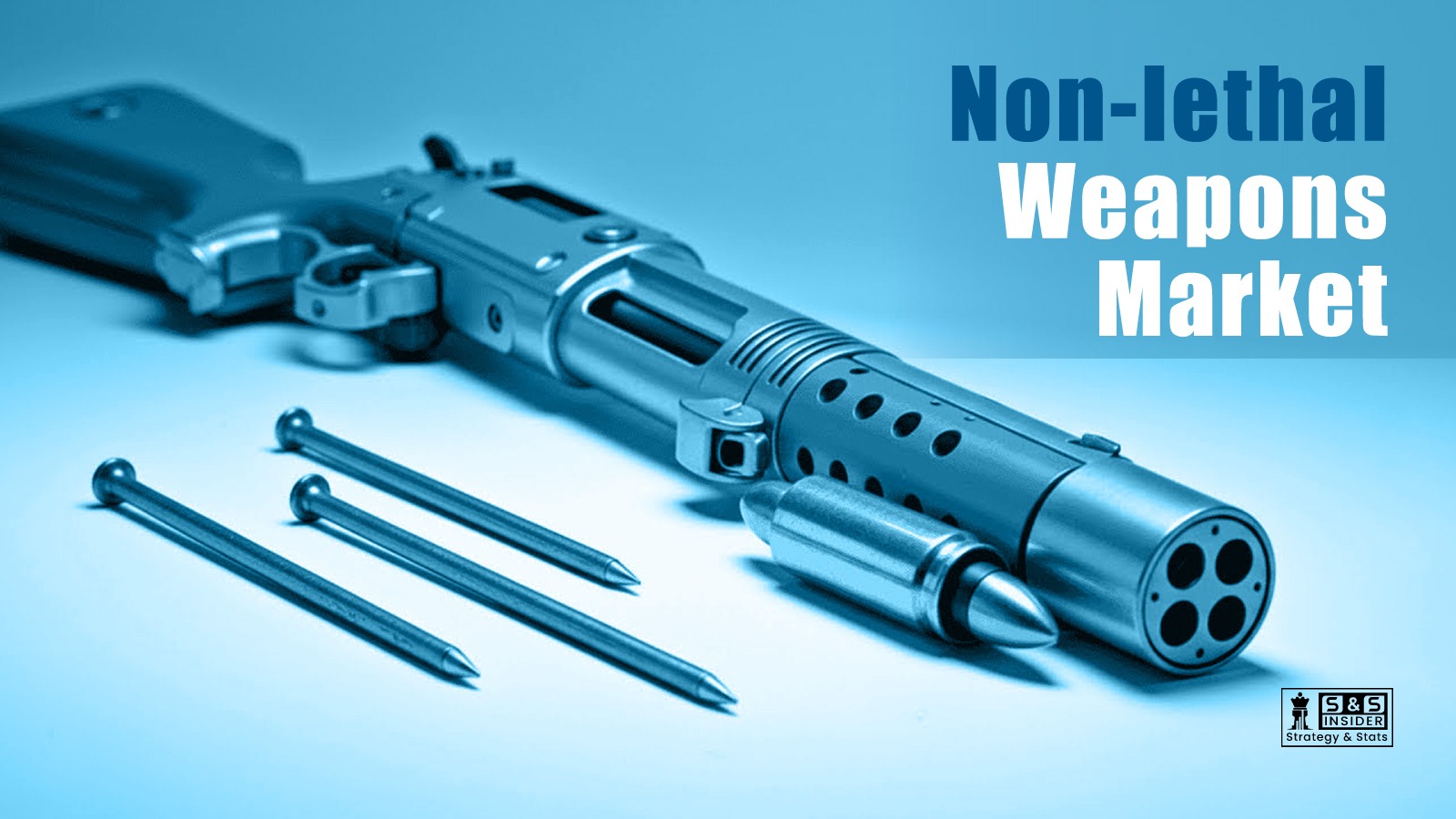
Non-lethal weapons market shows substantial growth due to increasing focus by governments and police organizations on deploying measures for public safety to reduce fatality rates during conflict management and crowd control processes. Non-lethal weapons aim at either incapacitating or deterring individuals from causing any form of disorder without causing serious injury to those targeted; therefore, non-lethal weapons have become vital in contemporary security and defense strategy. Uses of non-lethal weapons range from law enforcement agencies, the military, border security, and prison services.
Social unrest, protests, and security threats emerging in various parts of the world are among the factors driving the adoption of less-lethal technology solutions. Security organizations require technological innovations that offer operational efficiency as well as address issues of proportionate use of force and human rights. Innovation in technology concerning crowd control, directed energy weapons, and smart incapacitators will drive the market growth.
The Non-lethal Weapons Market size is valued at USD 9.21 Billion in 2025 and is projected to reach USD 18.18 Billion by 2035, growing at a CAGR of 7.12% during the forecast period 2026–2035.
Leading Companies in the Non-lethal Weapons Market
Axon Enterprise
 Axon Enterprise is among the most popular companies in the market for non-lethal weapons with products under the brand name TASER. It concentrates on developing technology solutions that will help law enforcement bodies minimize fatal interactions with people. Their solutions offer conducted energy devices with digital evidence and safety systems incorporated. Axon continues to innovate and create partnerships in the public safety sector.
Raytheon Technologies
 Raytheon Technologies concentrates on designing various security and defense systems, such as directed energy weapons and non-lethal weapons designed for use by the military and the police force. Raytheon emphasizes innovation in crowd and tactical management, and its background in sophisticated defense equipment enables the design of next-generation non-lethal weapons systems.
Lockheed Martin
 The company takes part in the market for non-lethal weapons through developing and researching advanced defense technology. Lockheed Martin specializes in technologies which increase mission effectiveness and reduce collateral damage and casualties.
BAE Systems
 BAE Systems manufactures a variety of defense and security products, such as non-lethal equipment used during tactical operations and public security operations. The organization places significant emphasis on the effectiveness and reliability of these products and systems due to current conflicts' conditions. BAE System's investment into defense innovation contributes to the production of efficient technologies for crowd management and deterrence.
Northrop Grumman
 Northrop Grumman utilizes the firm's knowledge about defense systems and technologies for non-lethal weapons manufacturing. The company offers technologies that enable better operational control and reduce risks associated with injuries. Northrop Grumman’s expertise in building electronic systems and directed energy weapon systems enables the development of non-lethal weapon systems.
General Dynamics
 General Dynamics produces various defensive systems that help the military and law enforcement agencies perform secure and successful security operations. General Dynamics’ vast expertise in producing defensive systems allows it to be among the leading companies in the non-lethal weapons market.
Factors Increasing Adoption of Non-Lethal Weapons Technologies
Growing cases of demonstrations, riots, and crowds are some of the key drivers of the growing market. The police departments have been put under enormous pressure when dealing with any form of civil unrest in an effort to make sure that there are no deaths or injuries during the process. Hence, the demand for less lethal weapons like tear gas, rubber bullets, and crowd control devices has grown immensely.
There has also been a notable trend towards the importance of safety and efficiency. There have been huge investments made in advanced technology aimed at improving less lethal weapons. The constant developments in acoustic and directed energy weapons, as well as smart incapacitators, have significantly increased the effectiveness of these weapons during operational missions.
Another factor contributing to market growth is the modernization activities taking place in the defense and law enforcement sectors. Security organizations are increasingly relying on technologically superior weapons to handle their missions effectively. Such modernization trends will ensure continued demand for non-lethal weapons systems in the long run.
The Evolving Role of Non-Lethal Weapons in Modern Security Operations
The non-lethal weapons market is projected to keep on changing as governments and security agencies look for a way to strike a balance between public safety and conflict resolution. In this case, there will be a growing need for the use of sophisticated non-lethal weapons as governments try to ensure that their security operations are successful without causing fatalities.
On the other hand, technology development will continue to play an important role in influencing future developments in the non-lethal weapons market. Manufacturers that develop systems that are safe and efficient stand to benefit more from changes in market dynamics as the complexity in security operations becomes higher.



