PEGylation of proteins has emerged as one of the most potent technologies in modern American biopharmaceutical innovation. By utilizing the covalent conjugation of polyethylene glycol molecules with proteins, a significant improvement can be made in pharmacokinetic parameters.
The United States market for PEGylated Proteins Market was estimated to be worth around USD 0.61 billion in 2025 and is expected to attain a valuation of USD 1.67 billion by 2035 due to the advanced biopharmaceutical manufacturing sector, well-established research base, and supportive regulatory policies of the country that have always focused on quick clearance of PEGylated drugs. The global PEGylated Proteins market was valued at USD 1.82 billion in 2025 and is expected to be worth USD 5.55 billion by 2035, growing at a CAGR of 11.78% through the forecast period of 2026-2035.
Gain More Information on PEGylation Protein Market – Request a Sample Report
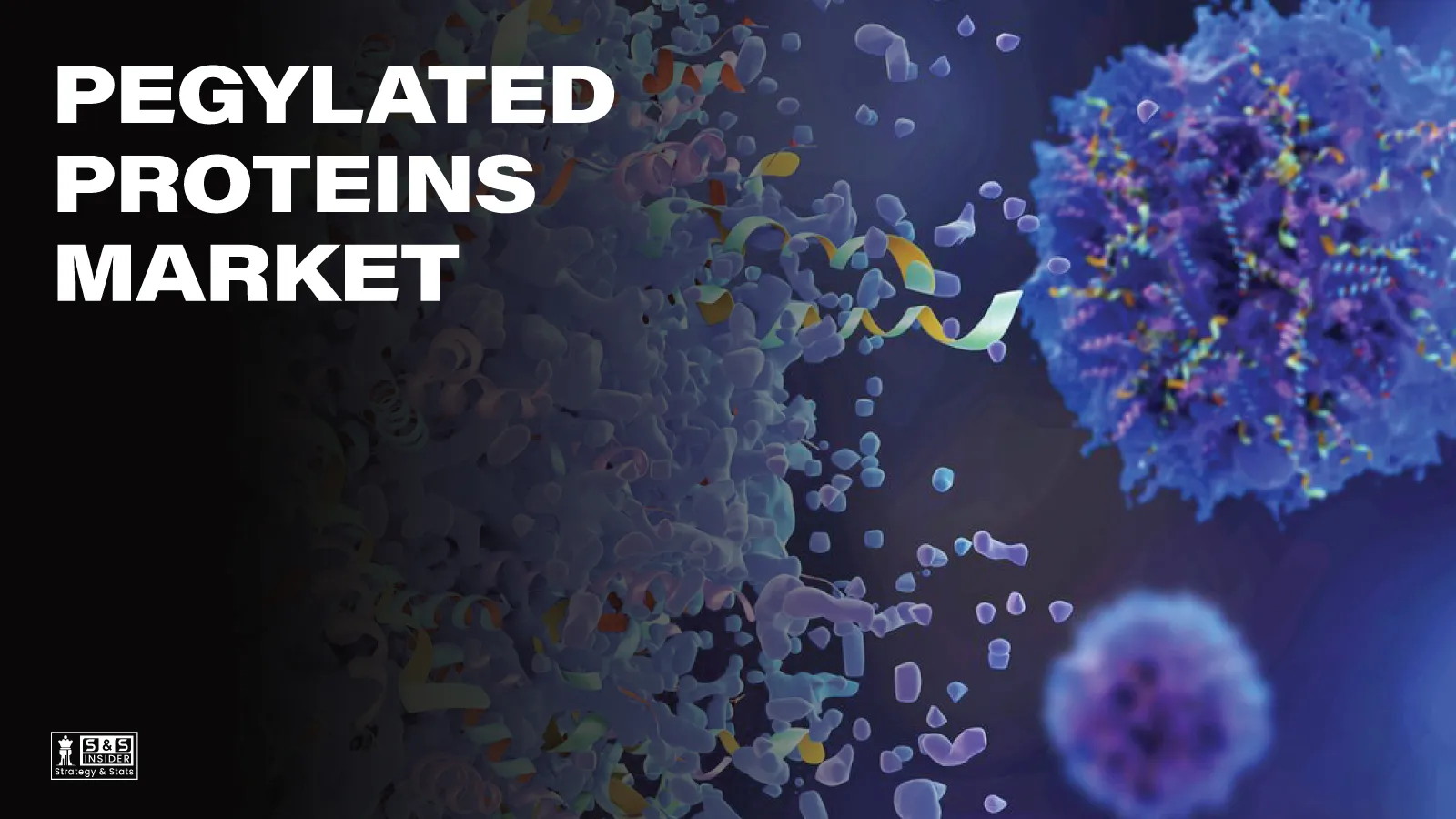
U.S. PEGylated Proteins Market Analysis
The US continues to hold the largest market share in the global PEGylated protein market on account of advanced manufacturing infrastructure, sound research foundation and fast approval of PEGylated biological products by US regulatory agencies at all times. Local pharma companies hold strong interest in the development of this technology, which guarantees early access to PEGylated therapies for Americans compared to other countries.
Approvals of new therapies have emerged as one of the key growth drivers of the market. In August 2024, the US Food and Drug Administration gave its nod to palopegteriparatide (Yorvipath), a PEGylated hormone replacement therapy for hypoparathyroidism, marking the comeback of the industry faith in PEGylation as a way of increasing drug half-life and reducing the dosage.
Development for rare diseases is another key growth driver for the US market. Various regulatory incentives like orphan drug designation and accelerated approval are promoting the development of PEGylated therapies in the segment of enzyme replacement and hormone replacement therapies for diseases having very limited number of existing treatment options.
Top 5 Leading PEGylated Proteins Companies
1. F. Hoffmann-La Roche Ltd
Roche is a leading company in terms of biopharmaceutical development and plays an active role in the development of PEGylated proteins, especially oncology and rare disease categories in the United States. The wide network of Roche’s research facilities drives the innovation in PEGylation technologies.
The continuous work in biopharmaceutical drug development by Roche emphasizes its role as one of the main contributors to the PEGylated proteins development field.
2. Amgen Inc.
Amgen is one of the prominent US biotech companies that specializes in PEGylated biological products and is well experienced in the use of such products in oncology and neutropenia treatments. Thanks to the company's extensive R&D capabilities and production facilities, it stands out as a leader in PEGylation technology in America.
The company’s further development of biologic and biosimilar pharmaceuticals cements Amgen’s position as an advocate for PEGylation in American healthcare institutions.
3. Pfizer Inc.
Scale and significant research and development investments in the area of PEGylated proteins by Pfizer have helped to ensure broad expansion of biologics for use in oncology and other therapies applicable to American healthcare patients.
Pfizer's dedication to the development of biologics is part of a larger trend seen in the pharmaceuticals industry of employing PEGylation technology in their treatment offerings.
4. Nektar Therapeutics
Nektar Therapeutics is a unique biopharmaceutical company known for its proficiency in PEGylation technology and drug conjugation. The targeted research conducted by the company makes it a major innovator in the PEGylated proteins market of America.
The ongoing improvement in PEGylation technologies such as site-specific conjugation conducted by Nektar Therapeutics reflects the growing trend towards more consistent and predictable pharmacokinetics in the American PEGylated proteins market.
5. Bristol-Myers Squibb Company
There is evidence that Bristol-Myers Squibb Company has a considerable stake in the U.S. biologics market, which helps them with applications of their oncology and specialty treatments in which PEGylated proteins have become increasingly important.
Continued interest in biologic therapeutics shows the firm's commitment to improving health outcomes for patients in America who suffer from cancer and various other diseases.
What the Future of the PEGylated Proteins Market Holds
In future, growth of the PEGylated proteins market will largely depend upon the regulatory environment in which it will be facilitated with regulatory authorities facilitating faster approval of PEGylated drugs owing to their pharmacokinetics. Collaborations among the biopharmaceutical and contract manufacturing firms will help in expanding PEGylation techniques and facilities.
Biosimilar development activities will drive the PEGylation technology to be utilized in an increasing number of off-patent and recently developed biologics. In terms of investment in the development of PEGylated drugs for rare or orphan diseases, the regulatory support will continue to fuel it.
As North America leads the global PEGylated proteins market in 2025 owing to a strong base of biopharmaceutical manufacturing and streamlined approvals, the United States will continue to dominate this market till 2035 and even after that.