
It is important to state that super absorbent polymers (SAP) have become a crucial part of modern hygiene items, sustainable agriculture and industrial sectors as well. Initially designed to be used in high absorption consumer goods, SAP technology became a necessary material for various sectors including health care, water saving, packaging and construction industries.
In particular, SAPs possess the ability to retain many times more volume of the liquid than their mass. Thus, SAPs are extremely useful materials to use in products like baby diapers, sanitary items for women, adult incontinence products, medical items and agriculture water retention systems. Urbanization, improvement of people's living standards and the growing understanding of personal hygiene will contribute greatly to the SAP spread.
It is estimated that the Global Super Absorbent Polymer Market reached a value of USD 8.74 billion in 2025 and is predicted to reach USD 17.34 billion by 2035. It means that the market will increase by a CAGR of 7.09% during 2026-2035. Growth drivers for the market will include the increasing need for sustainable agriculture practices, innovations in polymer chemistry and environmentally-friendly alternatives development.
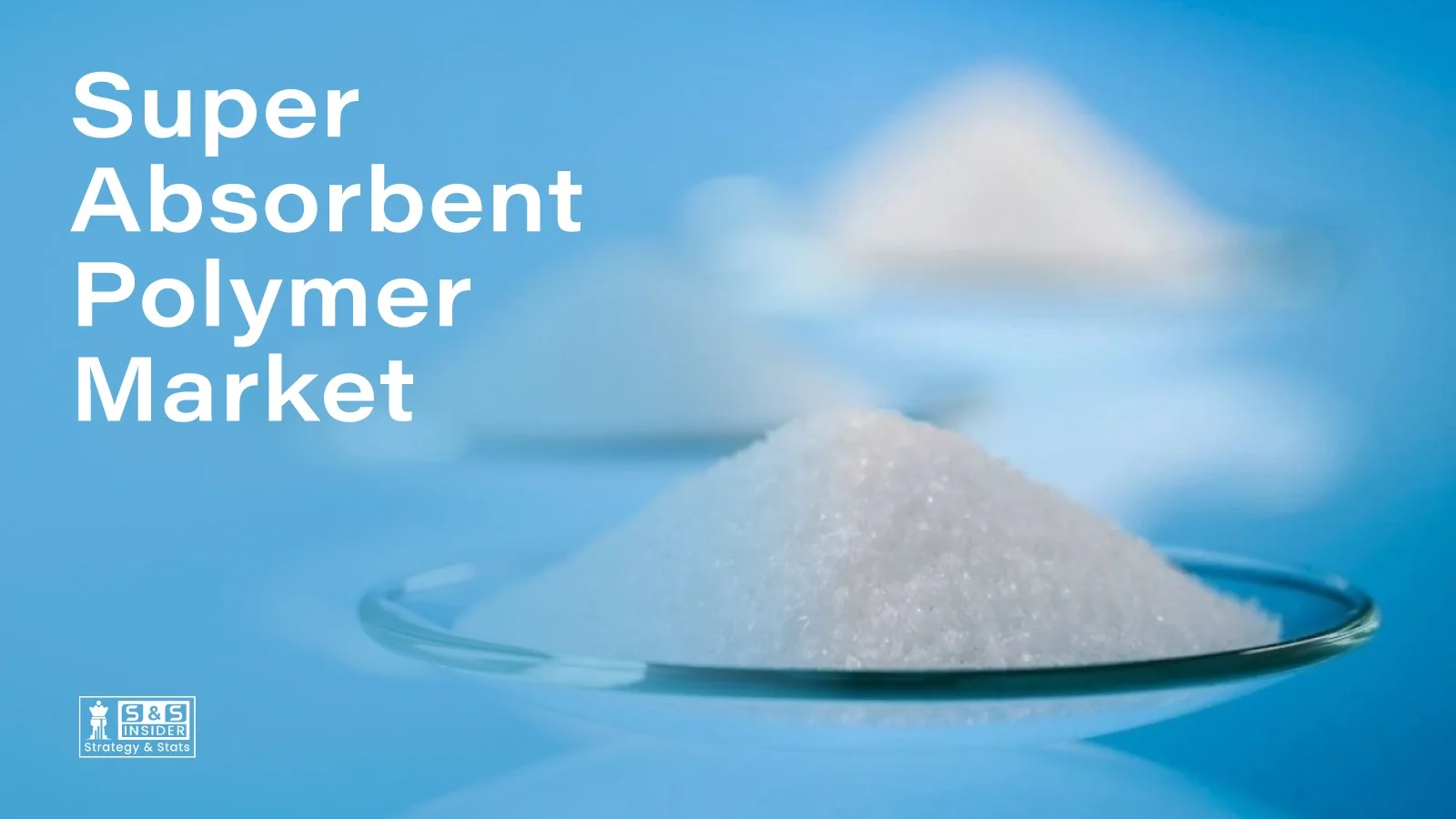
Below are companies that are playing a major role in shaping the future of the super absorbent polymer industry.
1. BASF SE

BASF continues to be one of the most powerful corporations in the specialty chemicals industry on a worldwide basis and has maintained its dominance in the SAP industry with innovative product development and production methods.
Products made by BASF for absorbing polymers are extensively employed in hygiene products including high-end nappies and incontinence products where superior performance in fluid absorption is essential. The firm is making significant efforts in the area of eco-friendly materials and emissions-saving production techniques as environmental problems with regular SAPs have emerged.
2. Nippon Shokubai Co., Ltd.
 Nippon Shokubai is well known as a company that pioneered the manufacture of SAP and continues to be prominent globally in the manufacture of hygiene-grade SAP. The company provides absorbents to the top manufacturers of diapers and feminine hygiene products all around the world. Nippon Shokubai's focus on product efficiency, absorption performance, and production efficiency has kept it at the forefront of the industry.
3. Sumitomo Seika Chemicals Co., Ltd.
 Sumitomo Seika Chemicals has proven to be a prominent provider of superior absorbing materials for various uses, including consumer and industrial purposes. These include baby care products, female hygiene materials, medical products, and agriculture. Sumitomo Seika Chemicals is currently working on developing products that are environmentally sustainable, keeping in view the stricter regulations imposed internationally.
4. LG Chem Ltd.
 It has enhanced its offerings in specialty materials through incorporating sustainability programs in the SAP manufacturing process of LG Chem. Recently, LG Chem announced its plans of using hydrogenated vegetable oil feedstock for making absorbent polymers and other chemicals. This development comes at a time when the entire industry is moving towards renewable resources in polymer manufacturing.
5. Kao Corporation
 The company integrates its proficiency in consumer hygiene products and chemical technology to create innovative absorbents. Its research and development is dedicated to enhancing the absorption capability, comfort and sustainable properties. With rising global demand for high-end hygiene products, Kao is still a key innovator in the use of SAP in consumer wellbeing and convenience products.
6. Evonik Industries AG
 Specialty polymers have been developed through Evonik's significant contributions to the field and through their creation of valuable absorbents for use in medicine, industry, and hygiene. Their knowledge and experience with materials science allow them to manufacture customized polymers with enhanced properties such as durability and absorbency.
Key Trends Shaping the Future of Super Absorbent Polymers
The future of the SAP market is going to be dictated by the issues of sustainability and resource effectiveness. Standard petroleum-based products will be under more and more restrictions due to the issues of their disposal and impact on the environment. This will motivate producers to speed up the development of eco-friendly solutions.
Agriculture is predicted to become one of the most rapidly growing spheres since farmers will be looking for solutions that will enable efficient water management and irrigation reduction. The superabsorbent polymers that are able to retain moisture in arid environments will contribute greatly to the projects of ensuring food security worldwide.
Moreover, the developments in the sphere of polymer technology make the process of absorption more effective, reuse possible, and the products themselves safer.
The Road Ahead
With rising hygiene standards globally and the conservation of water becoming a necessity, super absorbent polymers will definitely have their place in many industries. Firms that manage to combine performance with environmental sustainability will be well poised to make profits from this market.
In areas ranging from advanced hygiene applications to climate-smart agriculture, super absorbent polymer technology will definitely form an integral part of a future that is efficient and environmentally conscious.



