
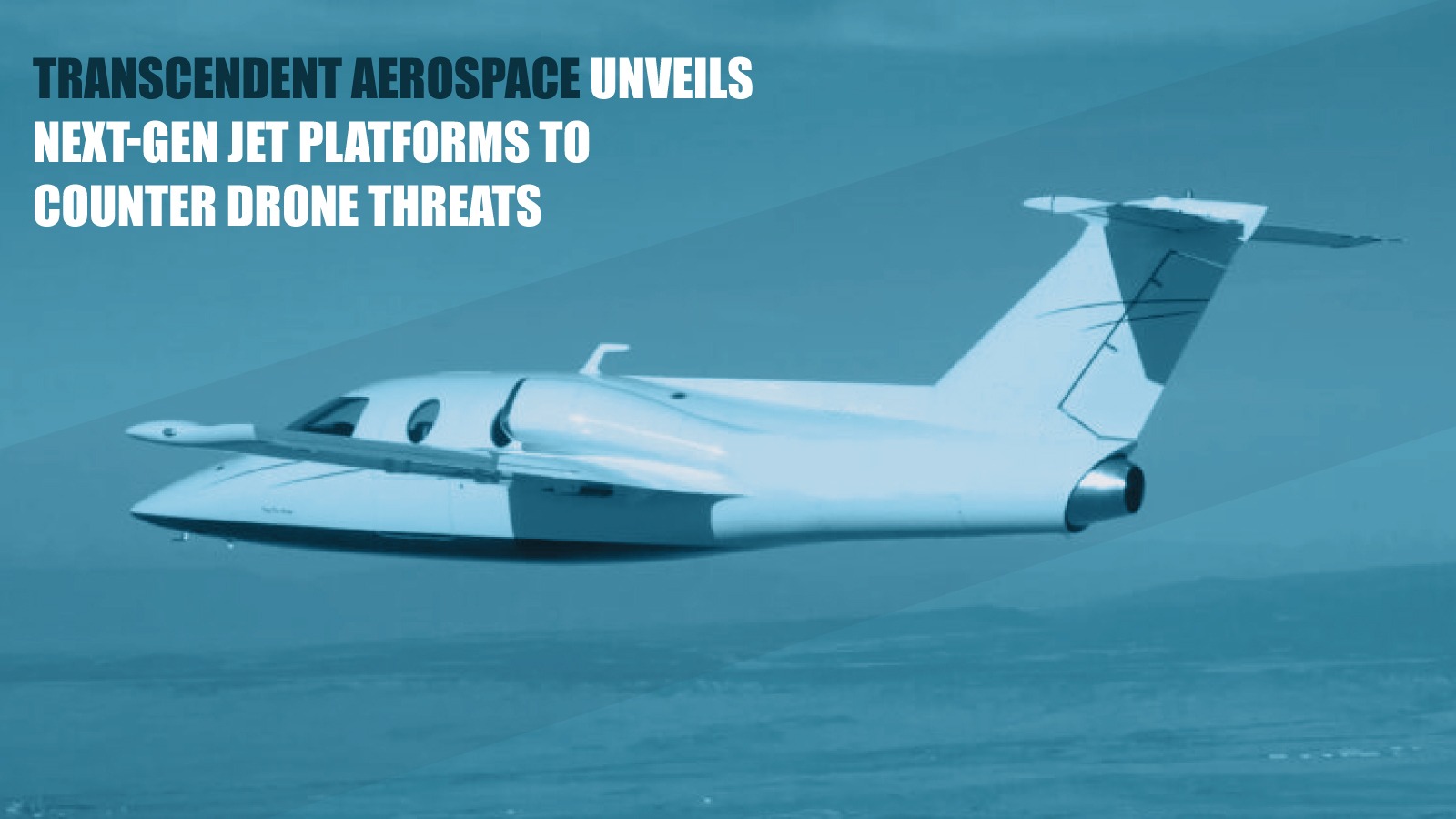
The rapid rise of drone warfare is reshaping global defense strategies, prompting urgent demand for advanced counter-drone solutions. In response, Transcendent Aerospace, Inc. has unveiled two innovative jet-powered drone interdiction platforms designed specifically to detect, pursue, and neutralize hostile drones. This development marks a significant shift toward cost-effective and scalable aerial defense systems tailored for modern threats.
Rising Global Drone Threat Landscape:
The proliferation of low-cost drones has dramatically altered the dynamics of modern warfare. From large-scale conflicts to asymmetric threats posed by non-state actors, drones are increasingly used for surveillance, attacks, and disruption. Recent global developments highlight the scale of the challenge. Countries are producing drones in massive volumes, while adversaries deploy them in large numbers to overwhelm traditional defense systems.
The cost imbalance is particularly striking, as relatively inexpensive drones can force the use of highly expensive missile-based interception systems, creating an unsustainable defense model. This evolving threat landscape underscores the urgent need for affordable, reusable, and efficient counter-drone technologies.
The military drone market is expanding steadily due to rising defense budgets, increasing geopolitical tensions, and the growing need for advanced surveillance and combat capabilities, as per Military Drone Market. The integration of AI, autonomous systems, and swarm technologies is enhancing operational efficiency and battlefield awareness. Additionally, governments worldwide are investing heavily in unmanned systems to reduce human risk and improve mission precision.
Introducing Two Jet Drone Interdiction Platforms:
Transcendent Aerospace’s newly unveiled solutions include a flight-tested Very Light Jet (VLJ) and an Optionally Piloted Aircraft (OPA), both engineered on a shared airframe. These platforms are purpose-built for airborne drone interdiction, offering a combination of speed, agility, and operational flexibility.
What sets these systems apart is their ability to locate, track, pursue, and neutralize a wide range of drone threats using both electronic and mechanical methods. Unlike traditional systems that rely heavily on ground-based defenses or missiles, these jets provide a persistent airborne response capability.
Platform One: Very Light Jet (VLJ)
The Very Light Jet platform is designed to deliver high-speed interception capabilities while maintaining the ability to operate at very low speeds. This dual performance envelope is critical in counter-drone missions, where threats can vary from slow-moving surveillance drones to high-speed attack drones.
Equipped with advanced onboard sensors, the VLJ can detect and classify drones at operational distances. It integrates electronic warfare systems and mechanical neutralization tools, enabling multiple engagement options depending on the nature of the threat. This versatility allows defense operators to respond dynamically, reducing reliance on expensive single-use interceptors.
Platform Two: Optionally Piloted Aircraft (OPA):
The second platform, the Optionally Piloted Aircraft, builds on the VLJ’s capabilities while introducing advanced autonomy. It can operate in three modes: crewed, remotely piloted, and fully autonomous. This flexibility enables extended missions without risking human pilots, particularly in contested or high-risk environments. The OPA incorporates AI-assisted threat detection and engagement, making it suitable for continuous patrol and rapid response scenarios. Additionally, its ability to operate in complex electromagnetic environments enhances its effectiveness against increasingly sophisticated drone technologies.
Key Technological Advantages:
Both platforms incorporate several advanced features that differentiate them from conventional counter-drone systems. These include short takeoff and landing (STOL) capabilities, tactical stealth features, and containerized deployment options, allowing rapid and covert deployment in various operational settings.
Another major advantage is cost efficiency. Unlike missile-based systems that incur high costs per interception, these jet platforms are reusable, significantly reducing long-term operational expenses. The integration of electronic warfare systems also enables non-kinetic neutralization of drones, which is particularly valuable in urban or sensitive environments where minimizing collateral damage is critical.
Strategic Importance in Modern Defense:
The introduction of these platforms reflects a broader shift in defense strategies toward more agile and adaptive solutions. Traditional air defense systems, while effective against large-scale threats, are often ill-suited for handling swarms of low-cost drones.
Jet-powered interdiction platforms provide a middle ground by combining speed, persistence, and adaptability. They can operate as part of a layered defense system, complementing ground-based sensors and missile systems. This approach aligns with global trends in unmanned and autonomous defense technologies, where flexibility and scalability are becoming key priorities.
Market Potential and Industry Impact:
The counter-drone technology market is rapidly emerging as one of the fastest-growing segments within the defense industry. Governments and defense organizations worldwide are increasing investments in technologies capable of addressing drone threats.
Transcendent Aerospace’s solution positions the company to capitalize on this growing demand. By offering a cost-effective and high-performance alternative, it can attract interest from military forces, homeland security agencies, and allied defense partners. The company has already begun accepting purchase orders, with deliveries expected to commence within a short timeframe, indicating strong commercial readiness.
Growing investments in airspace security, adoption of AI-powered detection technologies, and the need to protect critical infrastructure such as airports and defense bases are key drivers, as per Counter Drone System Market. Additionally, advancements in radar, RF, and autonomous response systems are enhancing threat detection and mitigation capabilities.
Future Outlook:
As drone technology continues to evolve, so too will the need for advanced countermeasures. The development of jet-powered interdiction platforms represents a forward-looking approach that anticipates future challenges in aerial defense.
With increasing adoption of autonomous systems and artificial intelligence in defense, platforms like these are likely to play a central role in shaping next-generation security frameworks. Their ability to adapt to diverse threat scenarios ensures long-term relevance in an increasingly complex security environment.
Conclusion:
The unveiling of these jet drone interdiction platforms by Transcendent Aerospace marks a significant advancement in counter-drone technology. By combining speed, flexibility, and cost efficiency, these systems address one of the most pressing challenges in modern defense.
As drone threats continue to grow in scale and sophistication, innovative solutions like these will be essential in maintaining security and operational readiness. Transcendent Aerospace’s approach not only redefines how drone threats are countered but also sets a new benchmark for the future of aerial defense systems.


