
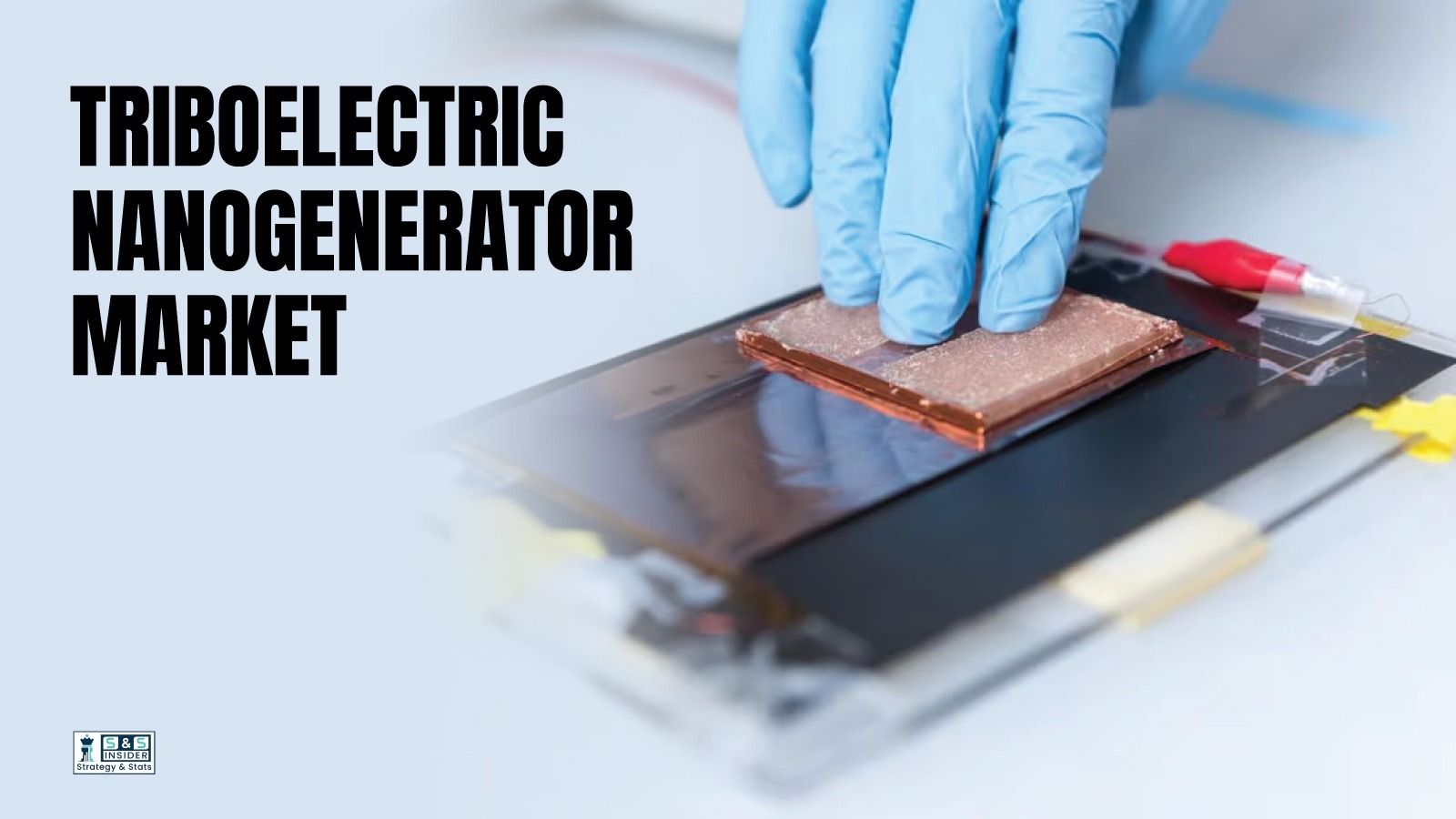
Triboelectric Nanogenerators (TENGs) have recently received significant attention as one of the most promising energy harvesting solutions in recent times. In other words, TENGs can harness electrical energy through vibrations or motion and can allow devices to work without requiring batteries. In recent times, there have been many advancements within industries, resulting in the development of billions of electronic devices. Thus, the development of energy-harvesting systems that do not require batteries will be vital for future technological advances.
According to SNS Insider, the Triboelectric Nanogenerator Market was valued at USD 207.20 million in 2025 and is projected to reach USD 2,776.14 million by 2035, growing at a CAGR of 29.14% from 2026–2035. The growing adoption of Internet of Things ecosystems, rising interest in wearable health technologies, and the increase in R&D spending within advanced materials are driving the growth of the TENG market. Companies seek to create innovative and energy-efficient devices. Therefore, TENG technology is likely to play a major role in such developments.
Leading Companies Advancing Triboelectric Nanogenerator Innovation
1. Apple Inc.
 Apple is a worldwide leader in consumer electronics products based on their well-integrated system of smartphones, wearables, and connected household products. Apple Company spends millions of dollars to develop new advanced energy technologies and make gadgets more efficient and independent from constant charging. Triboelectric nanogenerators will prove very effective for powering sensors in Apple Watch, other wearable gadgets and smart textiles in the near future. Moreover, Apple’s policy on sustainability fits perfectly well into the use of energy harvesting technologies and, recently, Apple has invested heavily in researching self-powered sensors and ultra-low-power chips for increasing the battery life of devices.
2. Samsung Electronics Co., Ltd.
 Samsung is one of the biggest makers of consumer electronics and electronic components in the world. Samsung manufactures phones, semiconductors, home appliance products, as well as different types of wearable and IoT devices. Samsung Company currently studies energy harvesting technologies and tries to develop such technologies for use in flexible and wearable electronics, as well as for powering smart homes ecosystem. Triboelectric nanogenerators fit well Samsung’s research direction, which includes self-powered sensor development and creation of ultra-low-power mobile technologies.
3. Texas Instruments Incorporated
 Texas Instruments is one of the important players in the creation of semiconductor components that are suitable for use in energy harvesting and power management systems. It uses analog chips and embedded processors that facilitate efficient incorporation of triboelectric nanogenerators into smart infrastructures and Industrial Internet-of-Things (IoT) systems. Due to its experience in ultra-low-power electronics technology, Texas Instruments is an important player in the development of battery-free sensor systems. Recently, the company announced advanced power management solutions suitable for energy harvesting.
4. Panasonic Corporation
 Panasonic provides electronics and energy solutions in such industries as automotive, industrial and smart home. Panasonic started to develop new sustainable sources of power because of the development of connected infrastructure and smart buildings. Triboelectric nanogenerators will assist the company in creating energy-efficient sensors for automation and monitoring of industrial facilities as well as homes. Recently, Panasonic broadened its research in energy harvesting technologies suitable for powering smart homes and industrial as well as automotive electronics.
5. Sony Corporation
 Sony Corporation specializes in developing imaging technologies, entertainment electronics, and smart sensing systems. Currently, the company is engaged in the research and development of energy generation technologies for portable electronics and sensor technologies utilized in consumer and industrial devices. Triboelectric nanogenerators can provide an opportunity to make small gadgets powered without charging. Recently, Sony made significant investments in developing miniaturized sensors and electronics that will be able to use alternative power sources.
6. Analog Devices, Inc.
 Analog Devices specializes in providing signal processing technologies and semiconductor products. The company uses its expertise to facilitate innovations in the healthcare sector, industrial automation and smart infrastructure. Its key objective is to produce devices that require low levels of energy for functioning. TENG technology will be useful for Analog Devices, which creates autonomous and maintenance-free electronics. The company launched a range of new products that have ultra-low power consumption.
The Road Ahead for Triboelectric Nanogenerator Technology
The development prospects of triboelectric nanogenerators strongly correlate with the fast progress of IoT technology, smart cities and wearable healthcare solutions. Along with an increase in the number of deployed sensors across the globe, problems associated with conventional battery maintenance and replacements are becoming increasingly apparent. Self-powered technologies, on the other hand, represent a logical step forward due to their ability to operate for longer periods of time without requiring any maintenance, which is environmentally friendly.
Advancements in materials science, flexible electronics and manufacturing technology will facilitate the adoption and incorporation of these generators into consumer products. When we consider this with Artificial Intelligence and the Edge these two devices are going to amplify the power and utility of this massive data. Nanogenerators will have numerous applications in the near future due to their impressive energy-saving and environment-friendly capabilities.



