
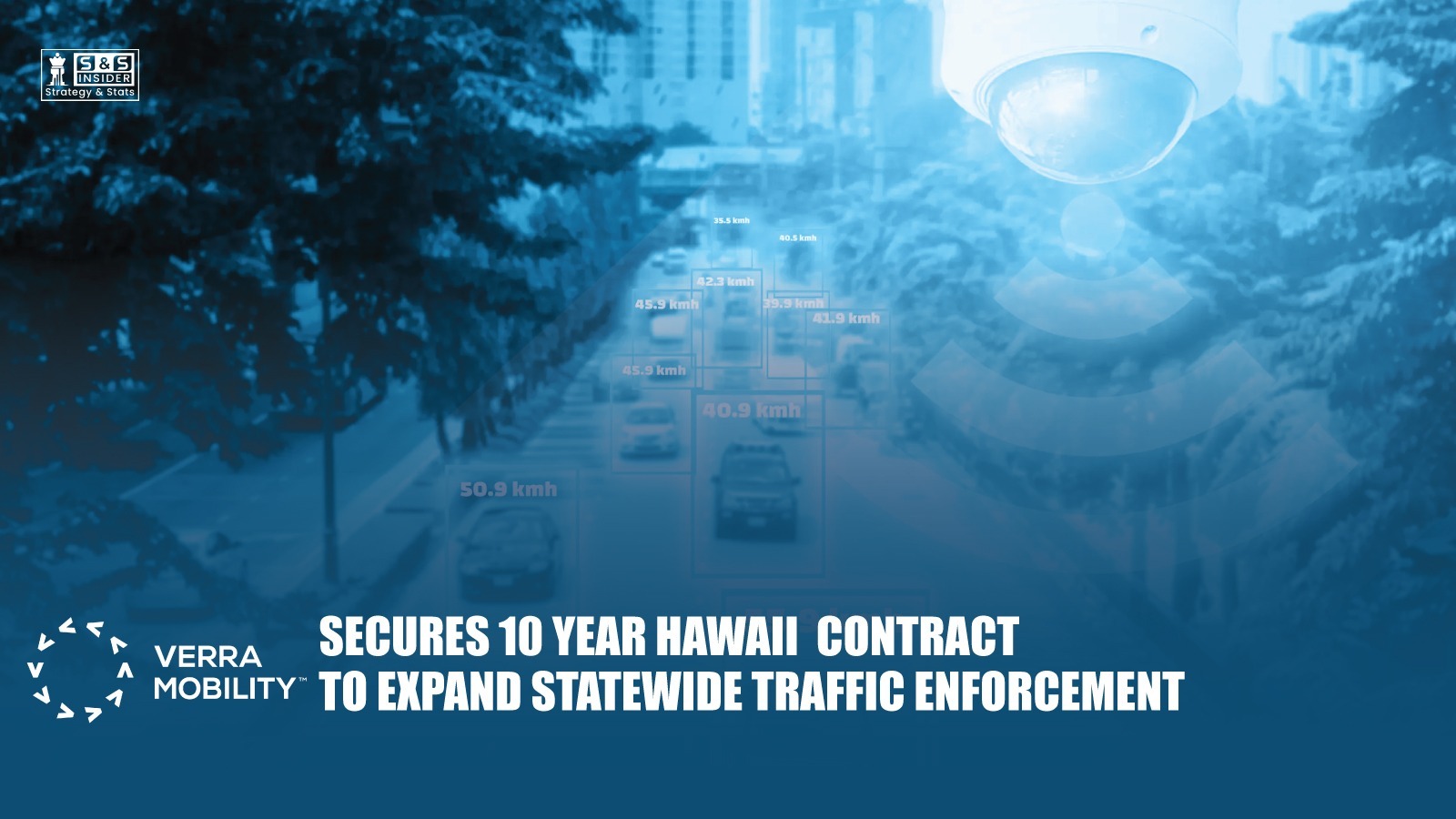
Verra Mobility Corporation has secured a 10 year, approximately $160 million contract with the Hawaii Department of Transportation to significantly expand red light and speed enforcement programs across the state. The initiative will scale from 17 locations to nearly 187 dual enforcement camera systems across major islands, establishing the first fully statewide automated traffic enforcement program in the United States. This expansion marks a major step forward in modernizing transportation infrastructure through data driven and technology enabled safety strategies.
The long-term nature of the agreement reflects strong institutional confidence in automated enforcement as an effective solution for reducing violations and improving compliance. By deploying advanced monitoring systems at high-risk intersections and speed corridors, Hawaii is positioning itself as a leader in smart traffic management and roadway accountability.
Measurable Impact on Road Safety:
The effectiveness of the program is already supported by compelling data. During the pilot phase on Oahu, monitored intersections recorded a 62 percent reduction in daily red-light violations and a 76 percent decline in major crashes. In addition, 90 percent of drivers who received a citation did not commit a second violation. These results demonstrate that automated enforcement is not merely punitive but behavior changing.
Improved compliance directly contributes to lower accident rates, fewer severe injuries, and reduced strain on emergency response systems. For residents and visitors alike, safer intersections and highways enhance public confidence in the transportation system. The initiative reinforces the idea that consistent enforcement, supported by advanced technology, can reshape driving habits and promote long term cultural change on the roads.
Implications for the automotive industry:
The statewide rollout also has important implications for the automotive industry. As road infrastructure becomes increasingly digitized, vehicles are operating within a more intelligent and data rich environment. Today’s cars are already equipped with advanced driver assistance systems, adaptive cruise control, lane keeping assistance, and collision mitigation technologies. The integration of automated enforcement systems into road networks adds another layer of safety oversight that complements in vehicle technologies.
For manufacturers and suppliers within the automotive industry, this shift underscores the importance of connectivity and compliance focused innovation. Vehicles of the future will not only respond to internal sensor data but may also increasingly interact with smart infrastructure systems. The convergence of enforcement cameras, traffic sensors, and connected vehicle platforms opens the door for collaborative mobility ecosystems that enhance safety from both inside and outside the vehicle.
Role of automotive display Technology in Smart Mobility:
Another critical dimension of this transformation is the evolution of automotive display systems. Modern dashboards are no longer limited to speedometers and fuel indicators. Advanced automotive display interfaces now provide real time navigation updates, traffic alerts, driver assistance notifications, and predictive safety warnings.
As automated enforcement systems expand, there is potential for greater integration between public traffic data and in vehicle information platforms. Future automotive display technologies could incorporate contextual safety insights, high risk zone awareness, or adaptive speed recommendations based on real time enforcement environments. This would further align infrastructure intelligence with driver awareness, strengthening proactive safety measures.
The combination of intelligent roadway monitoring and advanced automotive display capabilities reflects a broader movement toward connected mobility. When vehicles and infrastructure operate as part of an integrated network, the overall transportation ecosystem becomes safer, more efficient, and more responsive.
Strengthening Infrastructure and Long-Term Economic Value:
From a financial standpoint, the 10-year agreement provides Verra Mobility with predictable revenue and reinforces its leadership in transportation technology solutions. The scale of the deployment demonstrates growing public sector reliance on automated enforcement as a sustainable and measurable public safety investment.
Beyond corporate growth, the broader economic impact includes reduced accident-related costs, lower insurance burdens, and improved traffic flow efficiency. Safer roads also support tourism and local commerce by creating a more secure environment for travel and logistics operations.
The program further illustrates how digital transformation is reshaping infrastructure planning. Governments are increasingly leveraging analytics, camera systems, and integrated monitoring platforms to enhance compliance while maintaining transparency and accountability.
Conclusion:
Verra Mobility’s statewide expansion in Hawaii represents a significant milestone in intelligent transportation development. By combining automated enforcement technology with ongoing advancements in the automotive industry and sophisticated automotive display systems, the initiative highlights the growing synergy between vehicles and infrastructure.
As smart road networks and connected vehicles continue to evolve, collaboration between transportation agencies and technology innovators will define the next era of mobility. The Hawaii program demonstrates that when enforcement, infrastructure modernization, and automotive innovation work together, the result is safer roads, improved driver behavior, and a more connected transportation ecosystem.
Source – PR Newswire


