
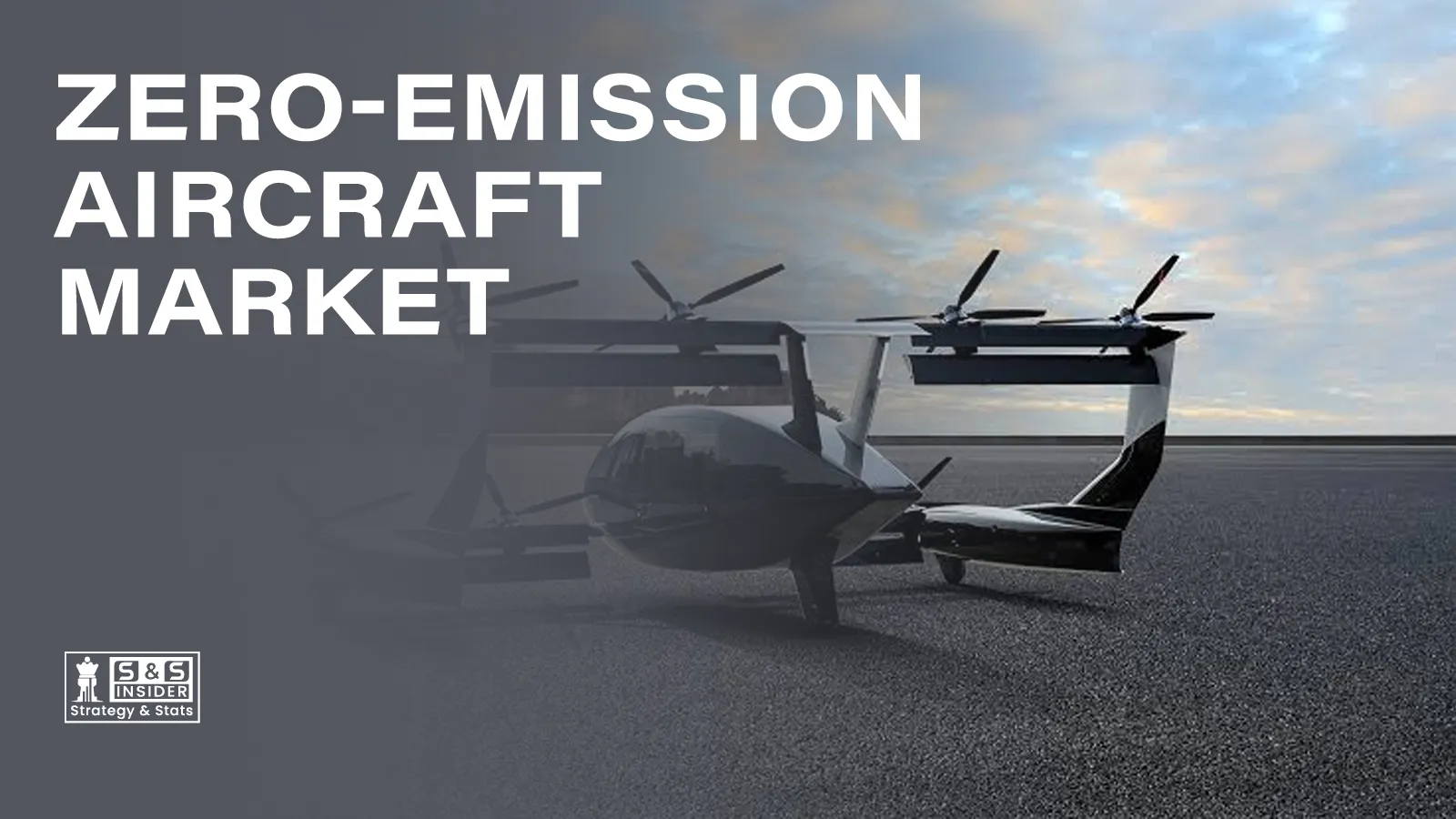
The global market size of the Zero-emission Aircraft Market stood at USD 7.47 billion in 2025 and is expected to grow up to USD 25.65 billion by 2035 at a CAGR of 13.46% during 2026-2035. Growth in the Zero-emission Aircraft Market is being driven by increased investments in hydrogen electric propulsion technology, growing government initiatives to promote green aviation, growing use of eVTOL aircraft, and technological innovation with the goal of reducing carbon emissions from aviation.
Aviation is about to enter into a new era, where airline operators, aircraft manufacturers, and governments strive to achieve net-zero emissions. Increased environmental awareness, stricter emission legislation, and the development of hydrogen and electrical propulsion systems are propelling the design and manufacture of zero-emission aircraft. Together with investments in charging infrastructure at airports, hydrogen refueling stations, and light-weight aircraft designs, this is setting the stage for cleaner aviation in the future.
Gain Actionable Intelligence on the Zero-emission Aircraft Market – Request a Sample Report
Key Players
Major companies operating in the global Zero-emission Aircraft Market include Airbus SE, Boeing Company, Embraer S.A., ZeroAvia Inc., Universal Hydrogen Co., Joby Aviation Inc., Archer Aviation Inc., Eviation Aircraft Inc., Heart Aerospace AB, Lilium GmbH, H2FLY GmbH, Pipistrel Aircraft (Textron Inc.), magniX Ltd., Rolls-Royce Electrical, Honeywell Aerospace Technologies, Safran S.A., GKN Aerospace, Collins Aerospace, BAE Systems plc, Vertical Aerospace Ltd., and other emerging aviation technology companies.
Strategic Developments & Industry Innovations
- 2026: ZeroAvia accelerated certification of its ZA600 hydrogen-electric powertrain through expanded flight-testing programs and new airline partnerships.
- 2026: Boeing expanded research into hybrid-electric propulsion and hydrogen combustion technologies for next-generation commercial aircraft.
- 2025: Joby Aviation advanced FAA certification testing while scaling production of its all-electric eVTOL aircraft for urban air mobility.
- 2025: Rolls-Royce Electrical strengthened development of high-power electric propulsion systems for regional and hybrid-electric aircraft.
- Increasing investments into hydrogen refueling stations, charging systems at airports, light weight composite materials, and advanced propulsion systems will support the commercialization of zero-emissions aircraft globally
Top Players Driving Innovation in the Zero-emission Aircraft Market
Airbus SE: Leading the Transition Toward Hydrogen Aviation
 Airbus is at the cutting edge of zero emission flying owing to its extensive research of hydrogen aircraft. The corporation keeps on making investments in hydrogen-based propulsion systems, innovations in commercial flight design, and collaborations that aid the development of hydrogen infrastructure for airports. Its strategy lies in the ability of commercializing hydrogen-based flights and enhancing aircraft efficiency as well as decreasing carbon emissions in the lifecycle of the aircraft.
ZeroAvia Inc.: Advancing Hydrogen-Electric Flight
 ZeroAvia is becoming one of the best-known innovators in hydrogen-electric aviation by producing hydrogen-powered fuel-cell systems used for regional aircrafts. The company keeps growing flight testing and certification programs, working closely with airlines for faster commercialization of this technology. Hydrogen-electric technology from ZeroAvia may contribute to reducing emissions in aviation industry and cleaner regional air travel.
Boeing Company: Investing in Next-Generation Sustainable Aviation
 Boeing is dedicated to pursuing its sustainable aviation strategy through investment in hybrid-electric power, hydrogen combustion research, and advanced aircraft. Boeing collaborates with experts in technology, institutions conducting research, and governmental agencies in an effort to speed up the development of aviation technologies that have low emissions. The dedication of Boeing towards future aircraft and propulsion systems contributes to the development of carbon-neutral commercial aviation.
Joby Aviation Inc.: Transforming Urban Air Mobility
 Joby Aviation Company has led the way in developing commercial eVTOL (all-electric vertical takeoff and landing) aircraft that could be used for sustainable urban transportation. This company continues to improve its flight testing and manufacturing capacity in order to achieve certification for commercial passenger transport operations. The electric aircraft being developed by this company is likely to play a huge role in reducing emissions from urban transportation.
Rolls-Royce Electrical: Powering Electric Flight Innovation
 Rolls-Royce Electrical is trying to build highly advanced space propulsion systems which would be used in regional aircraft and future hybrid-electric aircraft. They are focusing on the development of high-power electric motors, batteries and propulsion systems that make flights more efficient and cut their emissions. The efforts put into developing electric aviation technology play a key role in making cleaner aircraft commercialized.
How the Zero-emission Aircraft Market Is Transforming Sustainable Aviation
The zero-emission airplane industry is shaping the future of aviation by way of the substitution of conventional fossil fuel airplanes with green airplanes that run on battery power and hydrogen fuel cells. The battery-powered airplane is taking the lead in the development of zero-emission airplanes for short-distance travel, whereas the hydrogen fuel cell-powered airplane is emerging as the most rapidly developing propulsion method for long-distance travel. At the same time, the rapid development of urban air mobility is opening up avenues for eVTOL airplanes in passenger travel and smart cities.
Driven by technological innovations in the field of propulsion systems, airport infrastructure, lightweight materials, and regulatory policies, zero emission aircraft are poised to make a significant contribution to the achievement of sustainable air travel objectives. The upcoming decade is predicted to bring revolutionary changes to aviation through commercialization of zero emission aircraft.



