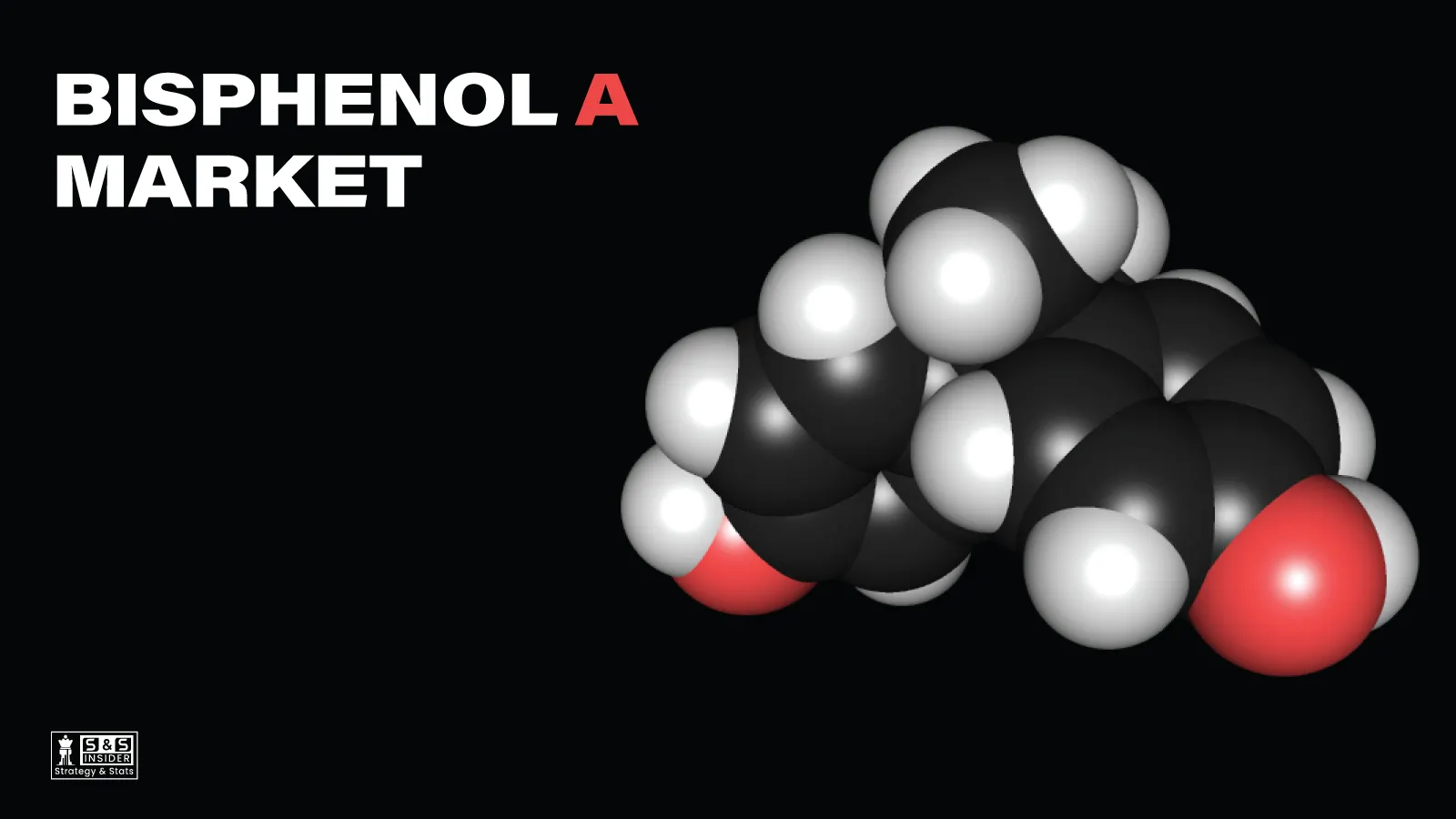
The demand for the Bisphenol A Market around the world is continuing to rise due to the indispensable nature of polycarbonate plastics and epoxy resins in industries such as automotive, electronics, construction, and packaging. Even as the restrictions on food contact continue to increase in many places, industrial and high-performance applications are ensuring that the basic chemistry remains in demand.
The Bisphenol A Market, according to SNS Insider, was valued at USD 23.17 Billion in 2025 and is estimated to rise to USD 40.87 Billion in 2035, growing at a CAGR of 5.84% during 2026 to 2035. In excess of 95% of BPA volume globally goes to just two applications polycarbonate resin and epoxy resin.
Gain Actionable Intelligence on the Bisphenol A Market - Request a Sample Report
Two Applications, One Dominant Story
The polycarbonate resin application made up around 45% of the market share in 2025 and continues to be the fastest-growing application due to the unique properties of high strength, transparency, heat resistance, and light weight that make it the ideal choice for automotive glazing, electronic housing, and safety applications — where there is no replacement available.
The epoxy resin application comes next and includes protective coatings, structural adhesives, printed circuit boards, and wind turbine blades. Even in the case of the application in food-contact cans, which is being regulated due to BPA migration, there is no BPA-free alternative that compares in terms of performance and cost.
Electronics Leads, but Automotive Is Where the Growth Is
Electrical & Electronics was the biggest end-use segment in terms of volume in 2025, accounting for over one-quarter of global BPA volume due to the high density of printed circuit boards, semiconductors, and consumer electronics manufacturing in the Asia Pacific region. Increased infrastructure development for 5G further reinforces demand for epoxy resins and polycarbonate.
The automotive end-use segment is currently growing at the fastest pace due to increased electric vehicle production. The manufacture of an electric vehicle requires much higher volumes of polycarbonate compared to that of a conventional vehicle in terms of battery management systems, high voltage connectors, and cell separators.
Where Demand Is Concentrated
The Asia Pacific leads in the global market with nearly 47% of total revenue attributed to China due to the presence of integrated BPA-Polycarbonate supply chain and their dominance in the manufacture of electronics and vehicles. North America comes next as a mature market with the United States responsible for an estimated 87.4% of the regional revenue due to petrochemical industry and diversified end-use.
However, Europe shows a different picture, where the BPA requirement in Europe has moved towards industrial applications because of compliance with REACH regulations and reduction in food contact regulations. In the region, Germany accounts for about 22.3% of the European revenue due to polycarbonate manufacture at Covestro as well as the application of epoxy resins in the automotive sector.
Companies Shaping the Market
Covestro AG
 A new BPA line was introduced by Covestro at the company’s Krefeld plant in Germany in 2024, to cater to the electronics-grade polycarbonate market where there is a need for ultra-pure raw materials for optical discs, optical lenses, and semiconductor packing. Covestro has the capability to cater to such premium segments where high purity raw materials are required.
Wanhua Chemical Group
 Wanhua has increased the BPA production capacity in China in 2024 as part of the expansion of its integrated polycarbonate manufacturing facility, furthering the presence of the company within the Chinese domestic BPA and polycarbonate supply chain. This step also contributes to the dominant role played by China in global BPA volume.
Nan Ya Plastics Corporation

In December 2023, Nan Ya installed a new BPA production line in Ningbo, China, adding a total production capacity of 170,000 tonnes annually, with this move being part of the company’s strategic efforts to ensure an integrated supply chain of polycarbonate to cater for the growing demand in China’s automotive, electronics, and construction industries.
Other key competitors include SABIC, Dow Inc., Mitsui Chemicals, LG Chem, Hexion, and INEOS Group Holdings.
Growth Drivers, Restraints, and What's Next
The production of electric vehicles continues to be the biggest source of transformational growth in the market, with global EV production expected to rise from about 10 million units in 2022 to 30 to 40 million per year by 2030. In terms of constraints, restrictions imposed by regulations on the use of BPA in applications that come in contact with food – including bans on baby bottles in the EU, US, and Canada – continue to drive formulation replacement in consumer products packaging.
In terms of future growth opportunities, there are two areas: high-purity BPA grades that find application in the packaging of semiconductors, where they enjoy premium pricing not subject to food contact regulations, and development of BPA from renewable sources, such as through the Mitsui Chemicals-Teijin collaborative project, making it possible for companies to meet sustainability goals without having to do away with BPA-based performance.