A major transition is about to be experienced in the U.S. Celiac Disease Treatment Market as drug manufacturers seek to widen the scope of treatment options beyond the gluten-free diet management. Celiac disease is a disorder characterized by the body’s immune response to the consumption of gluten by genetically prone individuals, leading to inflammation of the intestines, injury to the villous, and absorption difficulties. While the disorder affects one percent of the global population, there are still many undiagnosed cases, thus making up for a large market base for treatment as diagnostic practices become more common.
As per SNS Insider, the U.S. Celiac Disease Treatment Market size was worth USD 0.32 billion in 2025 and will grow to about USD 0.94 billion by 2035, experiencing a CAGR of about 11.37%. Growth factors for this market include the existing gastroenterology market infrastructure, increased awareness of the disease, clinical research activities, and increased investments in pharmaceutical options for dietary management. The U.S. market is part of the global Celiac Disease Treatment Market, which was estimated to be worth USD 0.82 billion in 2025 and will rise to about USD 2.38 billion by 2035, growing at a CAGR of 11.24% from 2026 to 2035.
Gain Actionable Intelligence on Celiac Disease Treatment Market – Request a Sample Report
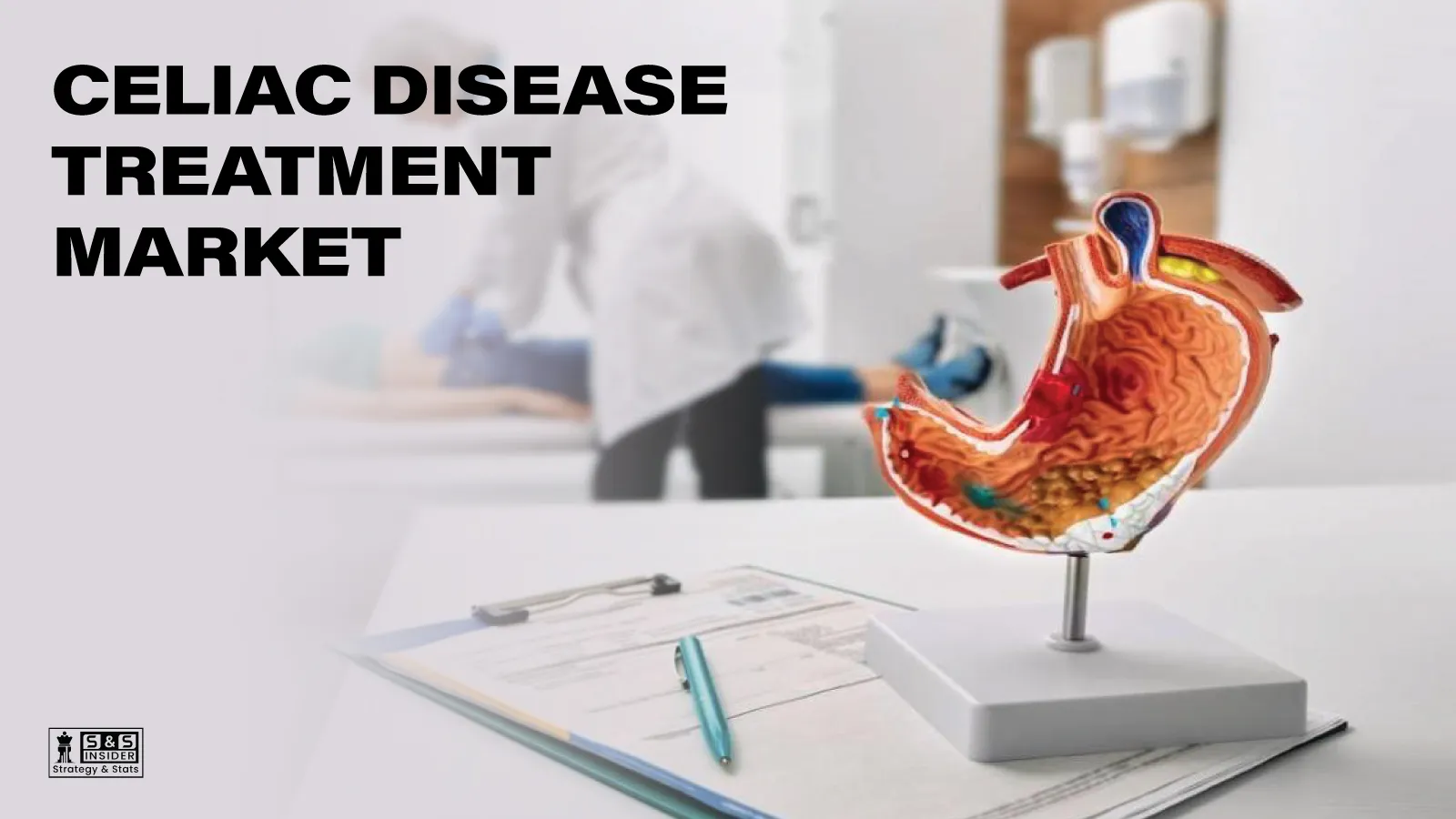
Why the U.S. Leads Global Demand
The United States is considered to be the most commercialized market of celiac disease treatment because of its diagnosed patient population, well-established gastroenterology sector, nutritional management through gluten-free products, and pharmaceuticals research efforts.
The North American region contributed 42.84% of the global Celiac Disease Treatment Market in 2025. This contribution was made mostly by the United States, which contributed 86.42% of the regional market. The market is facilitated by advocacy on behalf of the patients, more physician screenings, serological and genetic diagnostic capacity, and research initiatives of prominent healthcare organizations.
Research activities in the form of initiatives to support and raise awareness of the condition by the National Institutes of Health and the Celiac Disease Foundation have also helped to diagnose the disease and manage it properly. Meanwhile, opportunities arise in the form of drug pipeline aiming to minimize the effects of accidental gluten intake, heal the intestine, and target the immune mechanisms of the disease itself.
Where U.S. Treatment Demand Is Concentrated
- The share of Gluten-free obesity treatment type was 48.74% in 2025, remaining the leading treatment type due to the fact that gluten-free diet continues to be the gold standard in treatment.
- The fastest-growing treatment type is Enzyme replacement therapy based on clinical development of artificial enzymes that are designed to destroy harmful gluten peptides before the autoimmune reaction occurs.
- The leading route of administration in 2025 is Oral, taking 68.42%, since it is more convenient for patients who need to control their disease.
- Injectable is the fastest-growing route of administration, which is associated with the development of biologic therapies that can modulate immune and inflammatory processes.
- Nutritional supplements took 52.36% of the revenue from the drug classes in 2025, which is caused by the need to compensate for the deficiency of vitamin D, vitamin B12, iron, folic acid, calcium, and zinc.
- The fastest-growing drug class is biologics, since there is a need to find therapies to correct immunopathology of celiac disease.
- The share of Hospitals & specialty clinics is 58.47% in 2025, while Research centers is the fastest-growing end-user segment.
- The leading channel of distribution in 2025 is Hospital pharmacies, while Online pharmacies are going to become the fastest-growing channel of distribution by 2035.
Companies Driving Innovation in the U.S. Market
Takeda Pharmaceutical
Takeda Pharmaceutical is working on developing a new glutenase product called TAK-062 to degrade any gluten peptide before its immune reactions in patients with celiac disease. Takeda Pharmaceutical moved the candidate into Phase II clinical evaluation in 2025, and interim results supported the selection of doses for further development of the drug.
FDA Breakthrough Therapy Designation of the candidate underscores the necessity of development of treatment products that will help in managing the condition together with dietary intervention. If enzyme therapy is developed successfully, it will be a major category of treatment for patients with accidental intake of gluten or poor mucosa healing.
ImmusanT
ImmusanT is conducting research on the gluten-specific peptide therapy known as nexvax2 to induce immune tolerance for the immunogenic epitopes of gluten. The report indicates that the company will conclude Phase IIb in 2024 with clinical outcomes defining the viability of moving forward with development of the product.
This type of drug is a new approach in treatment since it targets the immune reaction that occurs due to celiac disease. This type of drug will prove to be significant as the market matures beyond mere symptom control.
Dr. Schär
Schär holds a key place in gluten-free medical nutrition and dieting. In 2025, the company introduced a celiac nutritional protocol program led by physicians in the United States working together with registered dieticians and gastroenterologists.
This program aims to fill the void in nutritional guidance after diagnosis and provide structured dietary management. Schär also diversified its medical nutrition portfolio in 2024 through introducing gluten-free products for newly diagnosed patients to use during their recovery period.
Other companies identified in the Celiac Disease Treatment Market include Chugai Pharmaceutical, Alvine Pharmaceuticals, GlaxoSmithKline, Protagonist Therapeutics, Aimmune Therapeutics, Cour Pharmaceutical Development, Zealand Pharma, Forte Biosciences, and Celimmune.
Market Dynamics and Outlook
Growth Drivers
- Expanding pharmaceutical development pipelines for enzyme replacement therapies, biologics, and other non-dietary therapeutic approaches.
- Rising celiac disease diagnosis rates as physician screening, serological testing, genetic testing, and public awareness improve.
- Growing demand for therapies that can reduce the impact of inadvertent gluten exposure among patients following gluten-free diets.
- Increased awareness of non-classical celiac disease presentations, including neurological symptoms, dermatitis herpetiformis, and silent celiac disease.
- Greater pharmaceutical interest in addressing one of the remaining significant unmet treatment needs within autoimmune gastroenterology.
Opportunities
- Approval of the first non-dietary pharmaceutical treatment could fundamentally change the structure of the Celiac Disease Treatment Market.
- Enzyme replacement therapies could create a new adjunctive treatment category for patients seeking protection against accidental gluten exposure.
- Immunomodulatory biologics could provide opportunities to address the underlying immune mechanisms responsible for celiac disease.
- The report identifies significant commercial potential for a successful first-to-market pharmaceutical therapy in the United States, particularly if treatment can demonstrate meaningful improvements in symptoms and intestinal healing.
- Digital health platforms supporting gluten-exposure tracking, dietary compliance, and symptom monitoring could become increasingly integrated with pharmaceutical and nutritional treatment programs.
The Future of the U.S. Celiac Disease Treatment Market
It is projected that the United States market for Celiac Disease Treatments will continue growing until 2035, thanks to the rise in cases diagnosed, which will increase the pool of potential patients. The management of celiac disease through a gluten-free diet will still play an important role in treatment, but rapid commercial gains will be achieved in enzyme replacement therapy, injections, and biologics. Clinical success in developing new products like glutenases and immune modulation can create whole new segments of treatments within a historically drug-limited market.