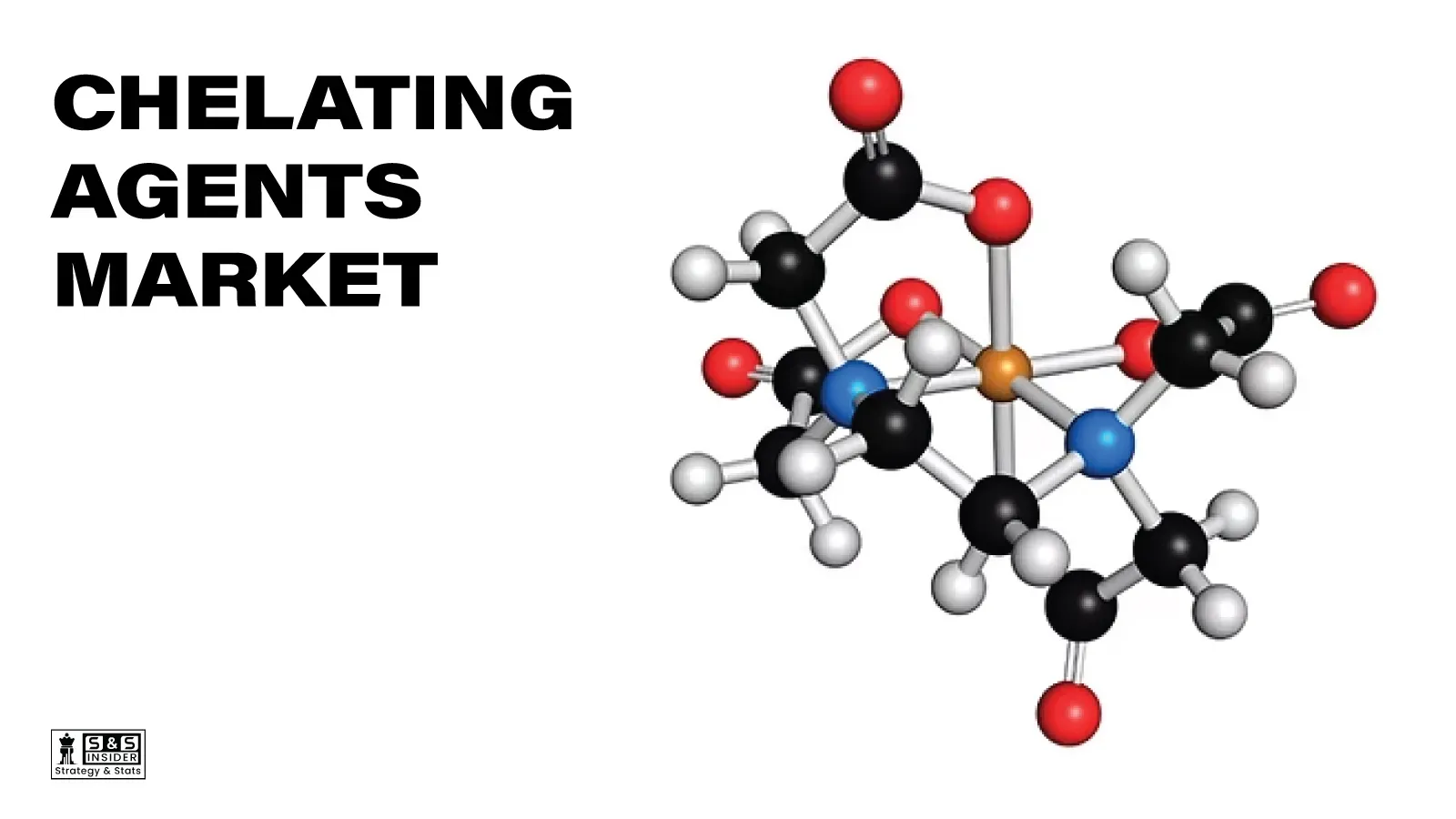
The Chelating Agent Market worldwide is developing due to the fact that many industries need an efficient method of controlling metal ions, preventing scales, and ensuring process stability. Chelating agents find their application in water treatment, pulp and paper, detergents, pharmaceuticals, agriculture, cosmetics, and industrial processes. Moreover, the increasing pressure of environmental regulations is motivating companies to move from traditional persistent materials to bio-degradable materials, such as MGDA, GLDA, and IDS.
As stated by SNS Insider, the Chelating Agents Market size was at USD 6.90 billion in 2025 and will grow up to USD 10.39 billion in 2035, showing a CAGR of 4.16% for 2026-2035. Increase in investment in municipal and industrial water treatment processes, rising application in the pharmaceutical industry, increase in the usage of chelated micronutrients in agriculture, and switching to environmentally friendly chelating agents from the traditional chelating agents will drive industry growth.
To Get more information On Chelating Agents Market - Request Sample Report
Below Are 5 Companies Contributing to Innovation in the Global Chelating Agents Industry
1. BASF SE
 BASF SE is a large-scale manufacturer of specialty chemicals that has built a line of chelating agents based on performance, sustainability, and industrial efficiency. BASF’s Trilon product line contains environmentally friendly chelating agents including MGDA as well as other products that are used in the fields of detergents, industrial cleaning, water treatment, and more. The environmentally friendly nature of the company’s chemicals will be able to help it capitalize on the change in the industry from traditional chelating agents. In 2024, BASF introduced new products to the Trilon M MGDA portfolio for effective hard water dishwashing and industrial cleaning.
2. Nouryon
 Nouryon is an existing specialty chemical company providing products for use in sectors such as cleaning, agriculture, personal care and process industry. The IDS-based line of biodegradable chelating agents offered by Nouryon provides an opportunity for formulators to minimize reliance on traditional products. The company's efforts in capacity development are geared towards meeting the growing demands for sustainable cleaning products and water treatment chemicals. In 2024, the company increased the capacity of IDS biodegradable chelating agents in Europe and the U.S.
3. Dow Chemical Company
 The Dow Chemical Company is engaged in the development and supply of wide-ranging specialty chemicals for water treatment and industrial production, among others. The capabilities of Dow Chemicals in materials science and formulation chemistry offer room for the development of metal ion controls and process stabilization, and water management solutions. Increased industrial demands for water treatment and green chemistry formulation are providing more opportunities for both the Dow Chemical Company and other big players in the chemical industry.
4. Olin Corporation
 Olin Corporation is an international producer of chemicals and has specialized in chlor alkali products, epoxy products, and other industrial chemicals. Its operations in the U.S. chemicals value chain will serve applications that need management of metals and processes in chemical use. Growing need for water purification, industrial cleaning, and other specialty chemicals opens doors for producers with existing networks of production and distribution. Olin’s scale of industrial operation and customer base will form a solid basis for addressing new challenges in chemicals use and performance.
5. Mitsubishi Chemical Corporation
 Mitsubishi Chemical Corporation produces advanced chemicals and materials that are employed in many applications in various industries including manufacturing, pharmaceuticals, electronics, and consumer goods. The versatile technological platform of Mitsubishi Chemical Corporation allows it to produce special chemicals which require high purity, stable formulation, and reliable performance. Opportunities for the use of advanced chelating systems emerge from the growth in production of pharmaceuticals, water purification, agriculture, and advanced industrial applications.
The Road Ahead
It is predicted that the Chelating Agents Market will continue its steady growth due to regulations and industrial needs, which will change the approach to new product development. Biodegradable versions of chelating agents, including MGDA, GLDA, and IDS, will become more popular among companies as they look for appropriate alternatives to conventional products. Water treatment will be one of the key markets of growth along with the use of membranes and prevention of scale formation. Pharmaceutical and cosmetic industry will also have a positive impact on the market.
Asia Pacific is predicted to be a key growth region due to rising manufacture of products, pulp and paper, water treatment systems, agricultural uses, and the pharmaceutical sector in China, India, Japan, and South-East Asia. North America and Europe will still focus on regulatory adherence and sustainability formulations, thus driving the shift to biodegradable materials. On the other hand, Latin America and the Middle East & Africa will benefit from water treatment spending and applications. All in all, biodegradable chemistry innovations, specialty formulations and water use in industrial activities will drive the industry's progress till 2035.