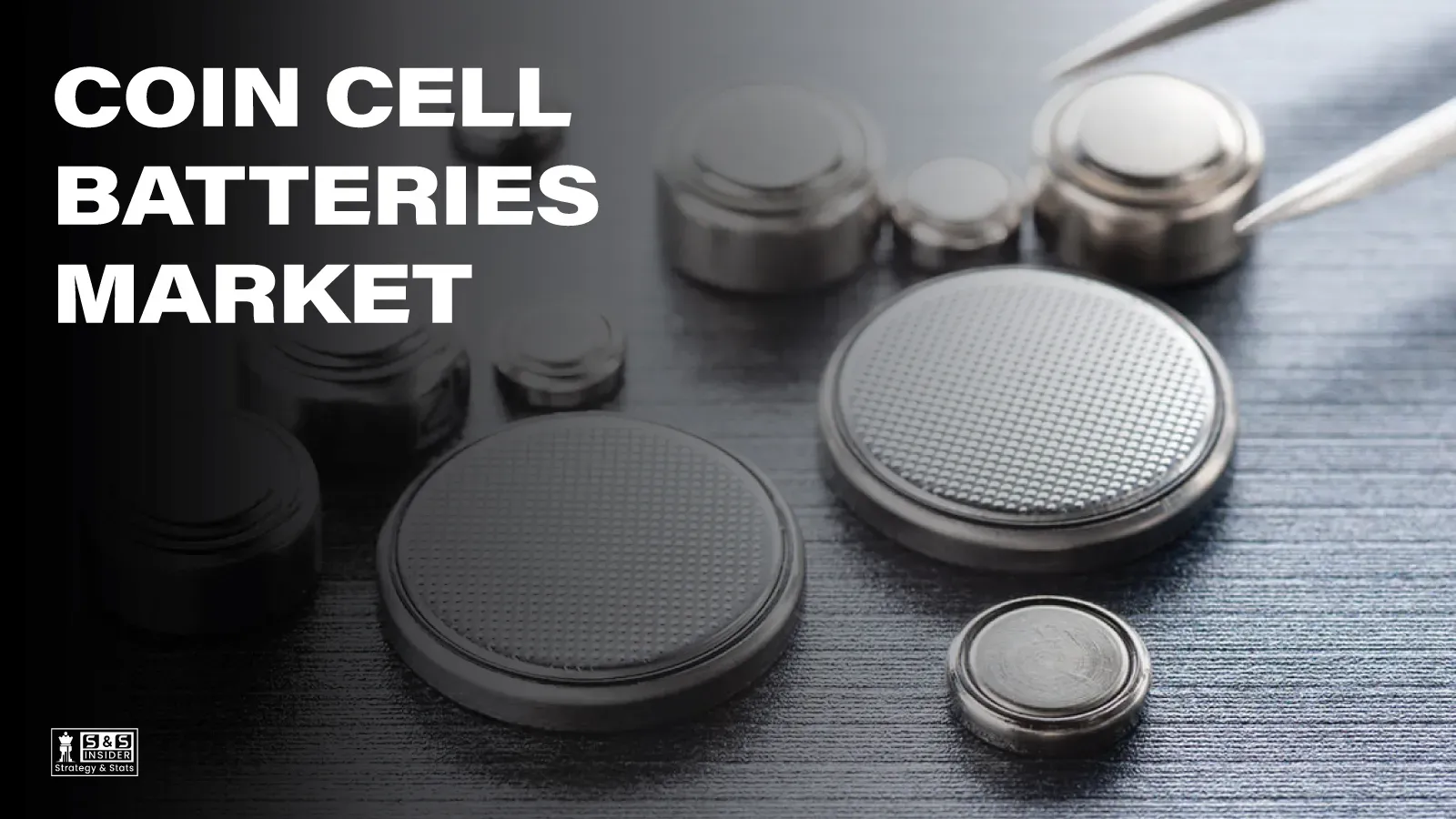
With the increasing size reduction, intelligence, and efficiency of electronic devices, the need for energy storage products that are small, lightweight, and reliable is increasing tremendously. Coin cell batteries are now considered a vital power source for a variety of uses such as watches, hearing aids, calculators, sensors for medical devices, remote control systems, smart wearables, key fobs, wireless sensors, and IoT devices. The small size, long shelf life, steady voltage, low self-discharge properties, and reliable performance make them a perfect power supply for the applications that require a constant and durable power supply in small spaces. With the rapid development of portable electronics and medical technology, coin cell batteries continue to be used effectively.
As per SNS Insider, the Coin Cell Batteries Market was valued at USD 4.99 billion in 2024, and it is projected to reach USD 7.58 billion by 2032, growing at a CAGR of 5.45% over the forecast period of 2025–2032. Market growth is propelled by increasing utilization of wearable electronic products, rapid growth of IoT applications, continuous development in lithium battery technology, and rising need for portable energy solutions in the healthcare industry. Increasing adoption of coin cell batteries in medical devices, smart electronics, wireless sensors, and automotive applications, along with innovation in the field of higher energy density and safety, is contributing to the growth of the market.
Gain Actionable Intelligence on the Coin Cell Batteries Market – Request a Sample Report
Top 4 Leading Companies in the Coin Cell Batteries Market
1. Panasonic Corporation
Panasonic is one of the prominent companies dealing with the manufacture of coin cell batteries and provides lithium, alkaline, and silver oxide batteries to consumers for various purposes. The reliability of Panasonic batteries is the main characteristic that distinguishes the brand from its competitors. Moreover, Panasonic still makes efforts to develop new battery technologies to enhance energy density and enable device miniaturization. Panasonic enjoys high manufacturing and global distribution capacity.
Key Strengths
- Lithium and alkaline coin cell portfolio
- Global manufacturing footprint
- High-performance battery technologies
- Strong presence in healthcare and electronics
2. Murata Manufacturing Co., Ltd.
Murata has managed to position itself as a leader in the supply of tiny batteries that are meant for very small electronic gadgets. Coin cells from Murata are being used in portable devices, medical devices, IoT sensors and automotive electronics. It is still developing its battery operations through sophisticated production techniques, better safety practices and developing future generation battery technology for connected devices.
Key Strengths
- Miniature battery expertise
- High energy-density technologies
- Strong IoT and wearable portfolio
- Advanced manufacturing capabilities
3. Energizer Holdings, Inc.

Energizer Batteries is one of the best-known makers of batteries in the world providing top-quality coin cell batteries for electronic devices, car keys, medical devices, and household use. Battery safety and reliability are the main concerns of the company. In August 2024, Energizer released an advanced three-layer safety solution including bitter coating, child-resistant packaging and color alert to avoid accidental battery consumption.
Key Strengths
- Global consumer brand
- Advanced battery safety technologies
- Broad retail distribution
- Reliable lithium battery portfolio
4. Sony Corporation

Sony has established itself as a reputable manufacturer of specialty batteries due to its excellent coin cells used in watches, medical equipment, calculators and electronic accessories. Sony products provide consistent voltage supply and longevity. Sony remains committed to advancing battery technology in order to increase efficiency and compatibility with the growing miniaturization of electronic devices.
Key Strengths
- High-performance lithium batteries
- Long service life
- Consumer electronics expertise
- Consistent product quality
What is Driving the Future of the Coin Cell Batteries Market?
Innovation in technology is still the major force driving growth within the coin cell battery industry. Innovation in lithium technology, increased energy density, better thermal stability, and battery longevity has made it possible for manufacturers to develop highly complex wearable electronics and intelligent medical devices. As per industry studies, over 70% of wearable and implantable medical devices are powered by coin cell batteries due to their reliability and longevity.
The accelerated growth of IoT ecosystems is generating substantial business opportunities for the coin cell battery market. Devices like smart home gadgets, industrial sensors, healthcare devices, wireless trackers and consumer electronic devices need small and light-weighted batteries with stable low-power output over a prolonged time period. Coin cell batteries have gained popularity as an energy source for these devices owing to their small size, steady voltage output, minimal self-discharge capability and high-performance life cycle. Studies reveal that around 70% of the sensors launched under IoT applications in 2024 will use coin cell or other small batteries owing to their low power usage and stable performance.
Regional Market Outlook
Asia Pacific was the highest revenue contributor to the global market for Coin Cell Batteries in 2024 due to its strong presence of electronics manufacturing in countries such as China, Japan and South Korea. Asia Pacific is also advantaged by a high presence of battery manufacturing companies and producers, advanced manufacturing processes, strong supply chains and rising demand for consumer electronics, wearables, automotive electronics and medical devices. China has maintained a dominant position in the manufacturing of batteries in the region owing to the country's strong manufacturing capabilities, low costs, supportive government policies and a large consumer population.
North America is expected to record the highest growth rate during the forecast period owing to increased advancements in the healthcare sector, use of wearables, and IoT technology in the region. North America is also the largest regional market as more than 60% of coin cell batteries are used in consumer electronics, wearables, remote controls, and healthcare equipment in the country. Europe continues to have a strong presence in the market due to high demand from the healthcare, automotive, and industrial sectors.
The Road Ahead
Future trends in the Coin Cell Batteries Market will be determined by innovations in battery chemistry, battery miniaturization, efficiency and intelligent power management. With the increasing number of health care products, wearables, implantable medical devices, and industrial IoT sensors that require coin cell batteries, market players will keep developing and finding new applications. Safety, sustainability of manufacturing processes, and recycling will gain more importance as competitive advantages.
The major players in the industry such as Panasonic Corporation, Murata Manufacturing, Energizer Holdings, Sony Corporation, VARTA AG, and EVE Energy are continuously improving in terms of product innovation, production, and technology in order to improve their positions in the market. With the continuous increase in the demand for small-sized and efficient batteries globally, the growth of the Coin Cell Batteries Market appears to be consistent and steady.