U.S. Dental 3D Printing Market will continue to grow, as many dental labs and dental clinics use 3D printing technology to manufacture prosthetics, surgical guides, orthodontic appliances, and implants specific to individual patients. Combination of intraoral scanning, Cloud-based CAD systems, and precise 3D printers has reduced time of manufacturing customized dental restoration products from weeks to minutes.
As per SNS Insider, the United States Dental 3D Printing Market is estimated at USD 1.72 Billion in 2025 and is forecasted to be USD 6.48 Billion by 2035 with a CAGR of around 14.17%, attributed to the digitally advanced dental practice environment in the region, high demand among consumers for aesthetics-based orthodontics, and an established market of clear aligners that is based on high-end 3D printing technologies.
Gain Actionable Intelligence on Dental 3D Printing Market – Request a Sample Report
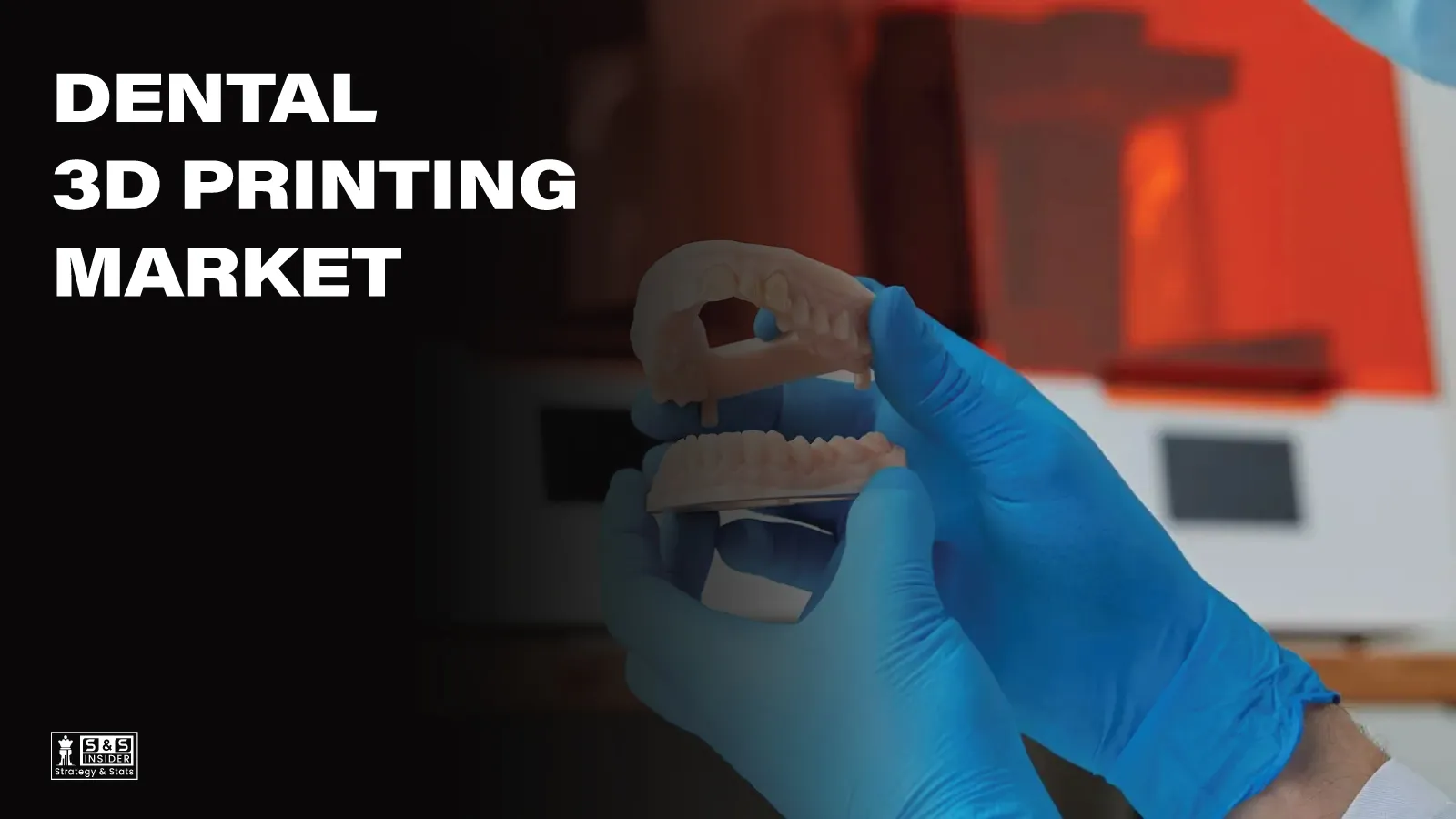
Why the U.S. Leads Global Demand
The U.S. is the most developed 3D printing market from the commercial point of view because of the beneficial FDA 510(k) process that helped many 3D printable dental materials and devices gain approval for use. The endorsement of digital dentistry provided by the American Dental Association and the growing popularity of 3D printing in the education programs of U.S. dental schools create the base of skilled practitioners that drives the demand.
The North America region accounted for about 38.58% of the global market revenues in 2025, out of which 84.62% were made by the U.S. In addition, due to private equity consolidation of dental service organizations, there is an increasing use of digital technology by corporate dental groups.
Clear Aligners Remain the Core Growth Engine
According to Align Technology, its Invisalign system of clear aligners had more than 15 million cumulative treated patients worldwide as of early 2025, while the annual case volume was growing due to increased international reach and an increase in the number of patients undergoing adult orthodontic treatments. For each individual case of a clear aligner treatment, the number of printed dental models is necessary, thus making orthodontics and clear aligners the largest volume application of dental 3D digital printing technology in 2025 with 42.84% share.
Dental implants are the area with the most rapidly growing applications since digital implantology processes based on CBCT imaging and 3D printing of surgical guides are gradually replacing traditional manual procedures.
Companies Driving Innovation in the U.S. Market
Align Technology
 The total number of patients having been successfully treated using Invisalign by Align Technology had reached above 15 million as of early 2025. The growth in this number has been largely fueled through increased international presence of Align Technology and the growing use of orthodontics among adults. Invisalign is the leader of the market as far as clear aligners production is concerned.
Stratasys
 In 2025, the release of commercial availability of J5 DentaJet multi-material dental 3D printing technology by Stratasys in North America is announced, providing dental labs the ability to create dentures with multiple properties using a single print job. This will overcome an important inefficiency in denture manufacturing process workflow, putting Stratasys in a position to cater to U.S. labs wishing to cut down their denture printing cycle.
SprintRay
The Pro 95 S dental 3D printer by SprintRay came out in 2025, and it featured built-in print optimization with the help of AI as well as material management that were automated, thus eliminating the need for intervention from an operator and allowing for uninterrupted automated manufacturing overnight.
Other established players active in the U.S. include Dentsply Sirona, 3D Systems Corporation, Envista Holdings, and Formlabs, each contributing to the country's expanding digital dentistry infrastructure.
Segment Trends Shaping the U.S. Market
The most prominent technology type was vat photopolymerization, having a share of 62.47%, owing to its ability to print at high resolution and compatibility with photopolymer resins. The fastest growing technology is polyjet, owing to its multi-material simultaneous printing capabilities to create composite materials such as full arch dentures and color-graded crowns.
Photopolymer resins were the most sought-after material, holding 48.36% market share, whereas ceramics were the fastest growing material because firms want to develop clinically validated and biocompatible materials for use in permanent restorations. Dental labs were the largest end-user segment, comprising 56.73% market share, whereas dental clinics and practices were the fastest growing end users.
Market Dynamics
The increasing popularity of digital dentistry workflow and the rising demand for aesthetics orthodontics and restorations continue to be the main driving factors, while the financial rationale for digital manufacturing compared to conventional manufacturing techniques continues to become obvious. High cost of the equipment, which amounts from USD 50,000 to USD 300,000 per professional 3D printing lab, and lack of digitally-trained dentists constitute the main limitations.
Biocompatible ceramic restorations and chairside dentistry present one of the best opportunities available as the companies like SprintRay, Stratasys, and Vita Zahnfabrik seek FDA approval of their ceramic printing materials enabling them to print crowns and bridges in the same day.
The Future of the U.S. Dental 3D Printing Market
The U.S. market is poised for robust growth until 2035, backed by increasing use of clear aligners, digital implantology workflow adoption, and AI-driven automation. Those companies that will be making bets on biocompatible ceramics, multi-material printing, and automation technologies are likely to succeed in tapping into growth opportunities in the U.S. dental technology market.