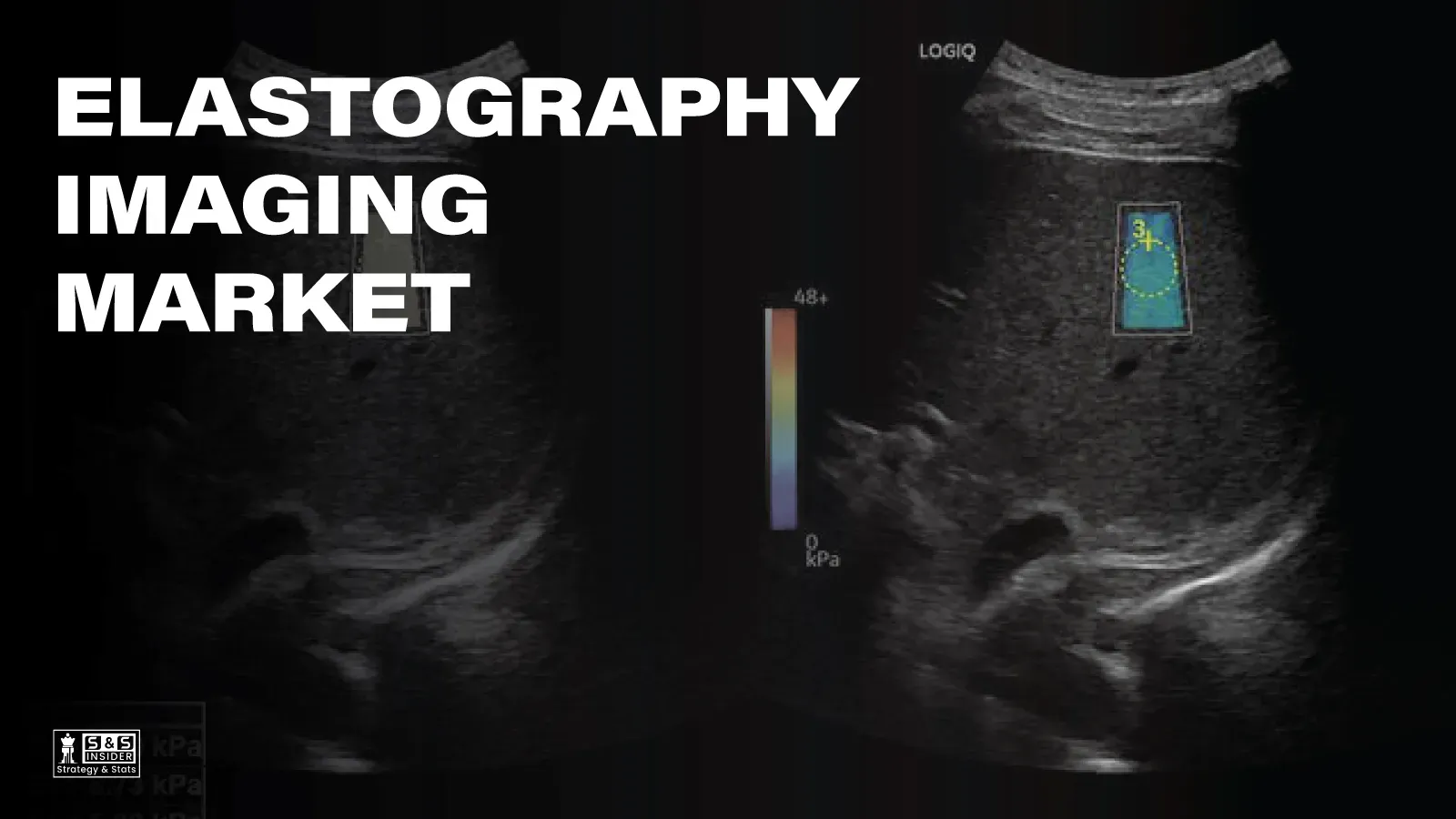
The Elastography Imaging Market is evolving into a key player within contemporary imaging due to the rising use of non-invasive techniques in diagnosing diseases by health organizations. The process of elastography involves real-time measurement of tissue stiffness, and it allows clinicians to diagnose various conditions such as liver fibrosis, breast cancer, thyroid disorders and musculoskeletal disease without having to perform any invasive biopsy techniques. In line with rising demand for non-invasive and advanced imaging solutions and developments within ultrasound and MRI equipment, elastography imaging is rapidly gaining popularity.
As per SNS Insider, Elastography Imaging Market size was valued at USD 3.27 billion in 2024 and is expected to be around USD 5.88 billion by 2032 at a CAGR of 7.66% during 2025-2032. Increasing health sector investments, increasing importance of early disease diagnosis, and ongoing advancements in AI-powered imaging solutions are contributing towards the growth of the market. The capability of elastography to provide real-time, radiation-free, and accurate tissue imaging is adding up to the adoption of the technology across different medical fields.
Gain Actionable Intelligence on Elastography Imaging Market – Request a Sample Report
Top 3 Elastography Imaging Companies
1. Siemens Healthineers

Siemens Healthineers is among the foremost providers of innovations in the elastography imaging market segment, providing sophisticated ultrasound and MRI technology for the imaging of the liver, breast, thyroid glands, and musculoskeletal systems. Elastography portfolio from Siemens Healthineers consists of shear wave imaging along with artificial intelligence-based imaging software that provides highly accurate quantified assessment of tissue stiffness. Imaging solutions provided by Siemens are used extensively by hospitals and diagnostic centers in order to provide efficient non-invasive diagnosis.
In March 2025, Siemens launched improved AI-enabled elastography analysis software that is available on Siemens' ACUSON Sequoia ultrasound machine. This new software helps healthcare professionals achieve better diagnosis because it enables automated liver fibrosis quantification and fast real-time analysis.
2. GE HealthCare
 GE HealthCare is one of the leading companies in the field of diagnostic imaging technology with an excellent reputation in the development of ultrasound and advanced visualization technology. The company keeps expanding the portfolio of ultrasound elastography by designing new systems that help improve imaging of the liver, breast, and abdomen and provide real-time diagnostic information. With its dedication to the integration of artificial intelligence, improvement of workflow efficiency, and portability of imaging technology, GE HealthCare keeps developing new ultrasound elastography technology. This technology helps detect diseases early and reduces the need for invasive diagnostic techniques.
3. Philips Healthcare
 Philips Healthcare has positioned itself as one of the leading suppliers of highly advanced imaging systems used for diagnosing diseases. The solutions provided by Philips facilitate medical experts in diagnosing liver, breast, thyroid, and other diseases affecting soft tissues without any invasive procedures. Philips has further improved its imaging technology using artificial intelligence, process automation, and high-resolution ultrasounds. Through its innovative solutions, Philips Healthcare makes sure that medical practitioners diagnose their patients in less time and ensure better patient outcomes.
What is Driving the Future of the Elastography Imaging Market?
The increasing demand for non-invasive diagnostic techniques is the main driver for the elastography imaging market. Diagnostic tests like biopsy have been linked to the issues of pain, infections, bleeding, and recovery periods that are relatively longer than other tests. However, with the use of elastography, these limitations can be overcome through its ability to assess tissue stiffness without the need for radiation and surgery.
The growing investment by the top players in the medical imaging industry is propelling the innovations in both the ultrasound and MRI elastography devices. Companies like Siemens Healthineers, GE HealthCare, Philips Healthcare, Canon Medical Systems, and Samsung Medison are continuously launching sophisticated imaging devices that not only offer higher-quality images but also take less time and are more integrated into the hospital information system.
From among the various imaging technologies available in the market, ultrasound technology led the market with a revenue share of around 70.52% in 2024 owing to its low costs, mobility, real-time imaging capability, and high accessibility at different medical facilities. The technology that will record the highest growth rate is the MRI elastography because of its capability of producing better visualization of deep organ tissues including the liver, brain, and pancreas.
In terms of application, the largest market share was held by general imaging, accounting for 34.80% of the market, attributed to its wide use for the assessment of diseases related to liver, thyroid gland, kidneys, breasts, and soft tissues. Breast elastography is estimated to register the highest CAGR due to the growing use of tissue stiffness measurement for breast cancer diagnosis. Hospitals are the largest and fastest-growing end-users, driven by the presence of well-developed radiology departments and the adoption of imaging devices.
The Road Ahead
The Elastography Imaging Market will be influenced by ongoing innovations in the field of artificial intelligence, portable imaging devices and improved ultrasound and MRI technology. With healthcare professionals showing an increasing emphasis on early detection, personalized therapy and non-invasive procedures, there is no doubt that elastography will become an important part of standard healthcare practice. Increased investments in digital health, growing clinical applications and technology innovation are likely to further improve the accuracy of diagnoses and facilitate the wider acceptance of elastography imaging solutions.
Companies that persist in their investment in technology-based imaging, automation of tissue analysis, portable point of care systems and clinician education will be ideally poised to take advantage of future growth opportunities. As awareness about chronic diseases increases around the world, along with infrastructure and the need for safe and accurate imaging without radiation, the Elastography Imaging Market is expected to experience continued success into the future.