
The contemporary flooring industry no longer serves the purpose of providing just durable floors but has progressed far beyond to provide better looks, energy efficiency, sustainable practices, and performance capabilities for various applications, including residential, commercial, health care, and industrial use. Flooring providers are coming up with innovative flooring materials that cater to the needs of an expanding world with ever-evolving demands of urban areas and investments made into high-end interiors.
There is significant growth seen in the global flooring market, driven by the increase in constructions, infrastructural advancements, and renovation projects throughout the globe. According to the industry forecast, the value of the market reached to USD 399.99 billion in 2025, which is estimated to reach a total of USD 741.72 billion by 2035 with a CAGR of 6.37%, fueled by rapid urbanization, sustainable building materials demand, luxurious residential buildings, and commercial infrastructure investments in Asia-Pacific.
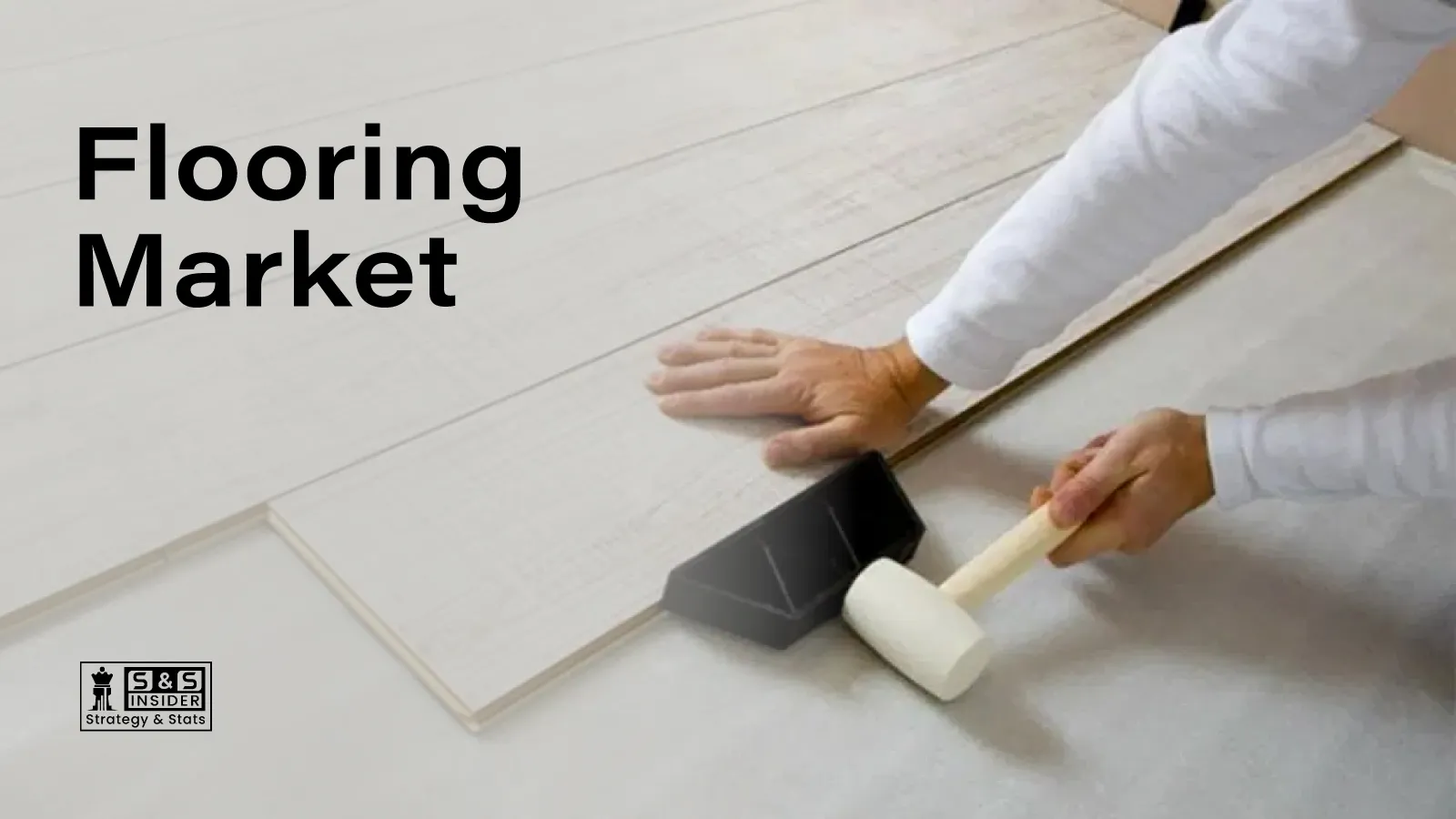
Here are seven companies shaping the future of the global flooring industry through innovation, sustainability, and product excellence.
1. Mohawk Industries, Inc.
 One of the biggest players in the flooring industry globally, Mohawk Industries has a range of flooring products including ceramic tile, carpeting, laminates, LVT, engineered wood flooring, and stone floorings. The company remains dedicated to investing in automated manufacturing and innovation in terms of environmentally friendly production. Its specialization in waterproof floor coverings and high-quality vinyl products has helped it cement its leadership in renovation market segments.
2. Shaw Industries Group, Inc.
 Shaw Industries has gained a reputable name based on its wide variety of flooring products used by residential, commercial, and institutional consumers. Recyclability of materials, minimal emissions during production, and product development based on a circular concept have been among its priorities. It constantly develops new types of resilient flooring systems.
3. Tarkett S.A.
 Products that Tarkett produces include those for the healthcare industry, educational institutions, hotels and hospitality industries, sporting venues, and commercial structures. The list of products consists of vinyl floor coverings, linoleum, rubber floors, wooden floors, and carpet tiles. Tarkett has emerged as one of the leaders in terms of circular economic activities, which involves more use of recycled materials.
4. Gerflor Group
 Gerflor has attained worldwide fame because of their resilient flooring products utilized in hospitals, transportation, educational institutes, retail stores, and sporting infrastructure. Sustainability is one of the primary focuses of Gerflor in terms of business strategies where recycling and sustainable production methods have been employed. The expansion of the recycling facility shows the company’s determination in the direction of sustainability.
5. Interface, Inc.
 The interface revolutionized the commercial flooring industry through its adoption of sustainability in product design. Famous for their modular carpet tiles and resilient flooring systems, Interface Inc. is a leader in carbon reduction strategies and sustainable production methods. The company's flooring systems are extensively applied in office buildings, health care centers, educational establishments, and even public infrastructures.
6. Forbo Holding AG
 The Forbo Holding Group is known for making premium floors including vinyl, linoleum, and various other types of flooring systems. Their products not only provide strength but also good looks along with providing hygiene in an effort to cater to the increasing need for maintenance-free surfaces.
7. Mannington Mills, Inc.
 Mannington Mills has been serving the flooring industry for many years through manufacturing its range of products, including hardwood flooring, laminate flooring, luxury vinyl flooring, sheet vinyl, and commercial flooring. Quality, adaptability, and sustainability are among the top priorities at Mannington Mills. Ongoing research in manufacturing processes helps Mannington Mills respond to changing consumer demands.
Industry Trends Reshaping the Flooring Market
Some key trends that will shape the flooring market in the coming years include sustainability. Increasing demand for environmentally friendly and sustainable flooring is driving growth in this market, as architects and developers look for eco-friendly flooring material options. Luxurious vinyl tiles, engineered wood, and innovative ceramic flooring have been growing popular because they offer durability, aesthetic appeal, and easy maintenance.
Moreover, digital manufacturing processes are revolutionizing the flooring industry through their ability to create realistic textures and personalized designs, as well as improving production efficiency. Also, anti-microbial coating, acoustical floors, and moisture resistance have become a must-have feature for health care organizations, educational institutes, hotels, and commercial buildings.
Another trend that will influence flooring market growth in future is rapid urbanization and development in infrastructure across the Asia Pacific region. Moreover, renovations in North America and Europe represent key revenue generators for flooring companies.
Looking Ahead
The flooring market is stepping into a stage where not only innovation in terms of aesthetics, but also in sustainability, functionality, and intelligent manufacturing will be key factors in its development.
With the help of environmentally friendly materials, recycling, digital technologies, and products that contribute to creating healthier indoor spaces, further progress in this field will be achieved.
As a result of increased governmental interest in sustainable building and consumer desire to have high-quality interiors, the companies that manage to unite design, longevity, environmental awareness, and innovation will be the winners of this race towards the future of the flooring market.



