
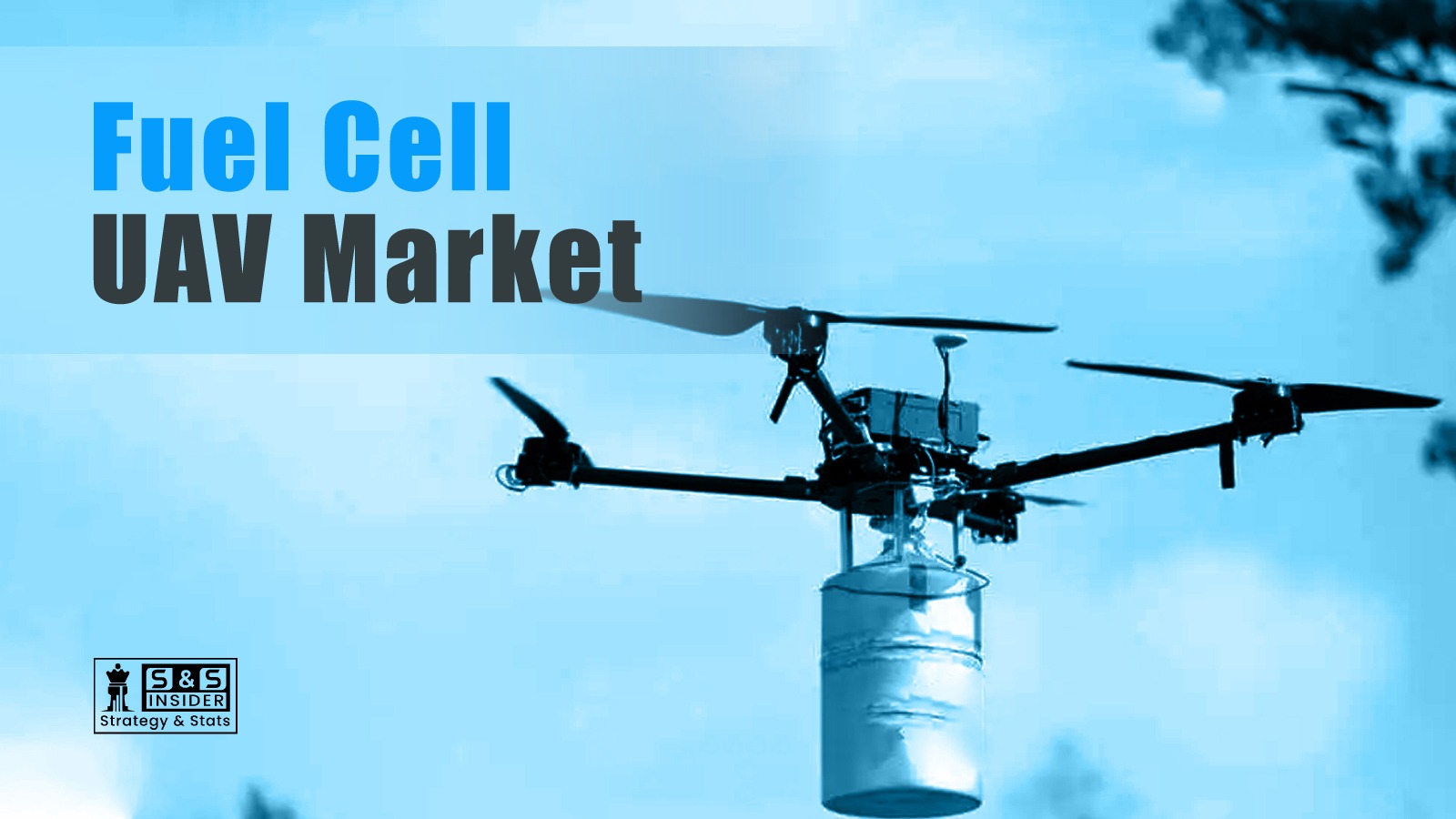
There has been an increase in the fuel cell UAV market since the demand for efficient drones is increasing with each passing day. Most industries require high-performing UAVs that can fly for long periods and can perform tasks efficiently. The conventional battery-powered UAVs have proven insufficient since they cannot operate for longer periods. In addition, they do not have adequate carrying capacity to meet industry demands.
The increased use of UAVs has led to the need for reliable sources of energy. As such, fuel cells are becoming more popular as they increase operational efficiency. Governments and other private firms are focusing on developing technologies that will enhance the performance of UAVs.
The Fuel Cell UAV Market size is valued at USD 1.75 Billion in 2025 and is projected to reach around USD 6.40 Billion by 2035, growing at a CAGR of 13.95% during the forecast period 2026–2035.
Next-Generation Fuel Cell UAV Companies Enhancing Drone Performance and Efficiency
1. AeroVironment
 AeroVironment is one of the leading companies operating in the UAV industry that designs and manufactures state-of-the-art unmanned aircrafts for commercial and military purposes. It has been continuously working to increase the endurance of UAVs to make them more efficient in their functioning. AeroVironment possesses expertise in integrating advanced technologies for propulsion systems to make drones more efficient. The company is quite successful in deploying drones for defense-related uses.
2. Doosan Mobility Innovation
 Doosan Mobility Innovation is a leading manufacturer of hydrogen fuel cells that are used in UAVs for long-endurance missions. The company emphasizes the use of clean fuels and improved efficiency in UAV missions. Fuel cells produced by Doosan Mobility Innovation help UAVs in undertaking long-duration tasks such as inspections, deliveries, and reconnaissance. The company has made significant progress in expanding its business globally.
3. Intelligent Energy
 The Intelligent Energy company manufactures fuel cells that have high energy density and are very light-weight.. These characteristics make them ideal for UAV missions. The company seeks to minimize weight in its systems to maximize flight time of UAVs.Ballard
4. Power Systems
 Ballard Power Systems is a well-known provider of PEM fuel cell systems. The company utilizes its strengths to serve the UAVs market, which needs reliable energy source systems. The fuel cells available from this manufacturer can survive extreme conditions and demonstrate stable operation. In addition, Ballard intends to expand its range of products by introducing more innovations based on hydrogen technologies.
5. PowerCell Sweden
 PowerCell Sweden is involved in the development of highly efficient fuel cells technologies for various purposes, among which UAVs are included. This company pays much attention to the development of sustainable and integrated solutions based on hydrogen fuel cells.PowerCell Sweden aims to increase its market share in the rapidly developing fuel cell industry.
6. HyPoint
 HyPoint represents an innovative startup in hydrogen fuel cell technology. It provides air-cooled hydrogen fuel cells with higher energy density and efficient thermal management systems. These fuel cells are applicable in UAVs and allow achieving outstanding performance. The company addresses both commercial and defense markets.
Emerging Technologies and Market Drivers
Fuel cell drone's higher requirement for increased flight endurance is one of the key drivers for the fuel cell UAV market. Unlike batteries, fuel cell provides a much more extended period of operation, which makes it suitable for such applications. For instance, in the defense industry, it is necessary to ensure continuous flight operation during reconnaissance or when monitoring borders, and in the case of aerial mapping.
Moreover, one of the significant trends in UAV usage lies in its wider implementation in various industries for logistics purposes, as well as inspection and monitoring. Companies benefit from using UAV because of improved efficiency, decreased risk of accidents, and lower expenses related to maintenance. Fuel cell technology provides higher payload capability and fewer times for charging or replacing the battery.
Additionally, an increased application of hydrogen fuel cells in the defense industry, by various governmental bodies, as well as corporations, is another major driver for the market's development. Refueling UAV powered by fuel cell takes less time compared to other technologies, which allows for greater readiness to perform tasks. With growing infrastructure for hydrogen fuel cell technology, there will be more UAVs equipped with this device.
Next Phase of Growth in Fuel Cell Drone Technology
The use of fuel cell UAVs will witness significant growth due to the rising requirement for energy-efficient drones with good endurance. Advances in fuel cell technology will enable UAVs to perform effectively in difficult conditions. There will be more opportunities for fuel cell UAVs due to the expansion of their range of applications in various industries.
In addition, ongoing innovations in research and infrastructure will facilitate the growth of this market in the future. Companies which focus on improving efficiency in fuel cells, reducing the total weight of the system, and ensuring scalability will have a higher chance of success in this industry.



