
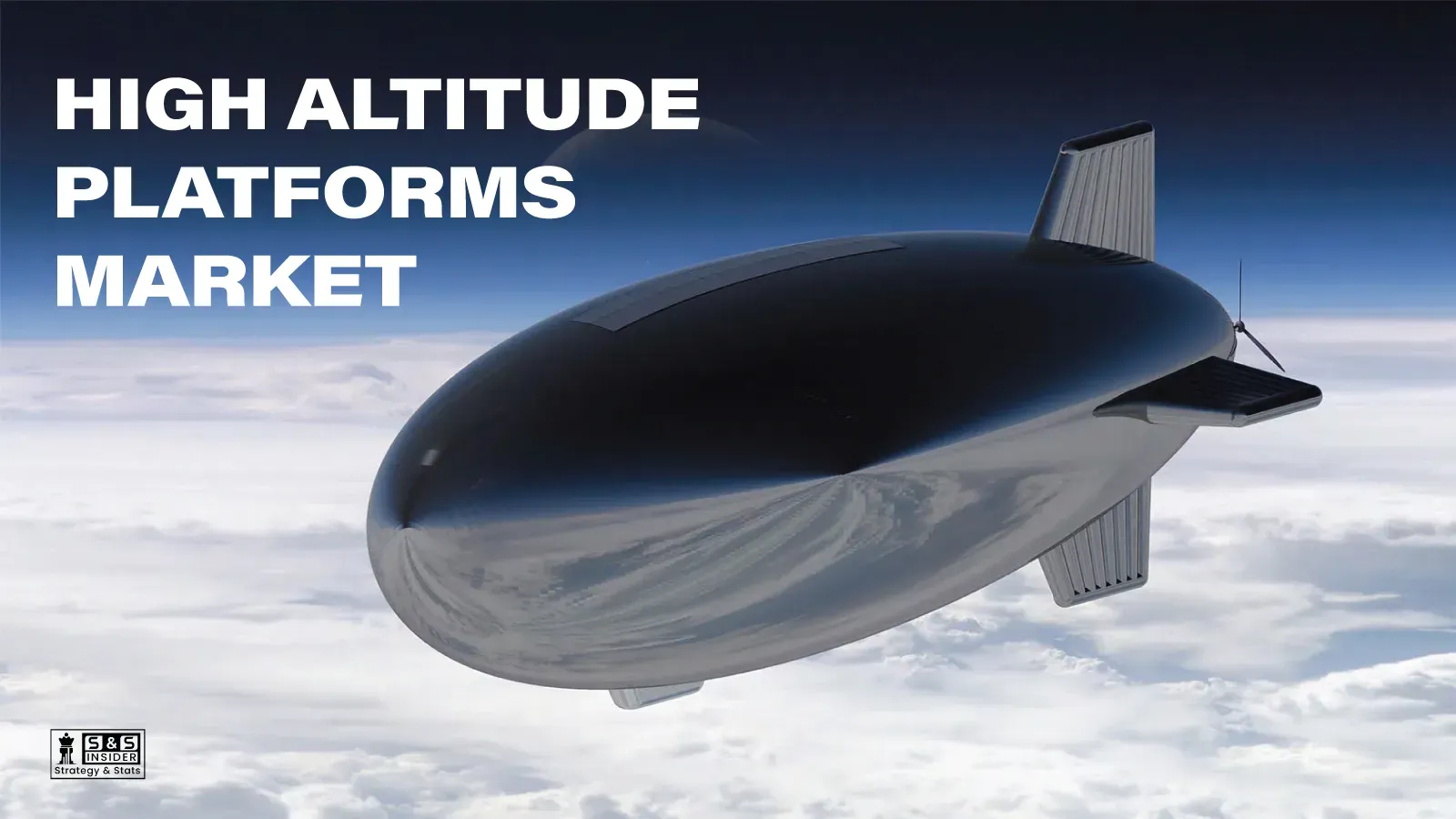
With the growing demand for uninterrupted connectivity, intelligent surveillance, and efficient communication systems, High Altitude Platforms (HAPs) are emerging as a transformative technology across commercial and defense sectors. Operating in the stratosphere at altitudes of approximately 17–22 kilometers, HAPs bridge the gap between terrestrial communication networks and satellites by providing persistent, wide-area coverage. Increasing investments in next-generation telecommunications, expanding Internet of Things (IoT) ecosystems, and rising government spending on surveillance and disaster management are accelerating the adoption of these platforms worldwide.
The market value for global High Altitude Platforms Market stood at USD 1.98 billion in 2025 and is anticipated to hit USD 3.73 billion by 2033, exhibiting an 8.25% compound annual growth rate from 2026 to 2033. Increasing utilization of solar-powered aircraft, UAVs, and stratospheric balloons drives the market demand in telecommunication, defense, agriculture, logistics, and environmental monitoring. Although North America is the dominant region presently because of advanced aerospace industry there, the APAC region is likely to grow at the highest CAGR due to rapid digitization, developing communication infrastructure, and government initiatives.
Gain Actionable Intelligence on the High Altitude Platforms Market – Request a Sample Report
Top High Altitude Platforms Companies Driving Next-Generation Connectivity
Airbus SE

Airbus is known to be one of the major innovators in the industry owing to its cutting-edge High Altitude Platforms, such as the Zephyr solar powered aircraft project. The high altitude platform Zephyr is capable of carrying out tasks such as telecommunication, border monitoring, disaster management and environmental monitoring at very low cost compared to satellites. Airbus is consolidating its position by enhancing its capability to provide continuous aerial connectivity for commercial and military uses. In 2025, Airbus' subsidiary AALTO made a very significant breakthrough by flying continuously for 67 days using its Zephyr high altitude platform.
Why Airbus Leads the High Altitude Platforms Market
- Solar powered endurance planes
- Excellent communication system
- Very good defense alliances
- Continued advancement in aerospace
Lockheed Martin Corporation

The Lockheed Martin company is still one of the major players in the development of the High Altitude Platform due to the fact that it is involved in manufacturing advanced unmanned systems that are used for ISR and communication purposes. Release of the Vectis™ Group 5 UAS by the organization demonstrates its determination to extend its capabilities into high altitudes while increasing the endurance of the system.
Competitive Advantages of Lockheed Martin
- Superior ISR technologies
- Long-endurance UAV design
- Dedicated communication technologies for defense applications
- Aerospace experience across the globe
Northrop Grumman

Northrop Grumman is a major player in the design and development of autonomous aerospace vehicles that provide constant surveillance and secure communication along with mission-critical intelligence information. The firm keeps on exploring innovative unmanned technologies that lead to increased operational efficiency in military and homeland security operations. The strengths of its autonomous flight technology and sensor integration make Northrop Grumman one of the most important High Altitude Platforms in the aerospace industry.
Strengths of Northrop Grumman
- Autonomous aerospace platforms
- High-performance surveillance systems
- Advanced defence technologies
- Secure communication capabilities
Thales Group

By adding intelligent monitoring systems into their products and services, Thales Group keeps expanding its business in the high-altitude platforms industry. Their offerings help to ensure disaster recovery, environmental monitoring, secure communications, and critical infrastructure security in many different industries. Due to the specialization in digital innovation and aerospace technologies, Thales helps businesses to become more connected while keeping their processes reliable.
Why Thales is Different from Others
- Smart communication solutions
- Aerospace technologies
- Environmental monitoring
- Defense platforms
Growing Demand for Persistent Connectivity Accelerates Market Expansion
High Altitude Platforms have been adopted by both public and private sectors because of the growing importance of broadband connectivity, secure communications, and real-time surveillance. The telecommunications firms, defense departments, and emergency response systems are using HAPs to ensure constant connectivity in the remote and poorly covered areas where the establishment of a ground-based infrastructure is either challenging or expensive.
Moreover, the fast-growing applications of IoT systems, smart agriculture, disaster management, and environmental monitoring present great opportunities for market growth. North America is still the leading region due to the high investments in aerospace and defense systems, whereas the fastest growth will be witnessed in the Asia Pacific region.
Future Outlook
There is a very bright future ahead for the High Altitude Platforms Market as there are increasing efforts by industries to find out cost-effective, flexible, and eco-friendly means of communication apart from using satellites or the traditional methods of communication. The future is bright because there are technological developments in self-sustaining flying technologies, renewable energy, and high capacity communication.
High Altitude Platform manufacturers, such as Airbus, Lockheed Martin, Northrop Grumman, Thales Group, and Israel Aerospace Industries have continued to conduct more research, innovations, and partnerships to enhance the capacity of the platforms in telecommunication, military, environment surveillance, agriculture and disaster management. With governments and corporations placing emphasis on resilience and digital transformation, HAPs are set to become increasingly relevant in influencing the future of global communication and intelligent aerial infrastructure.



