
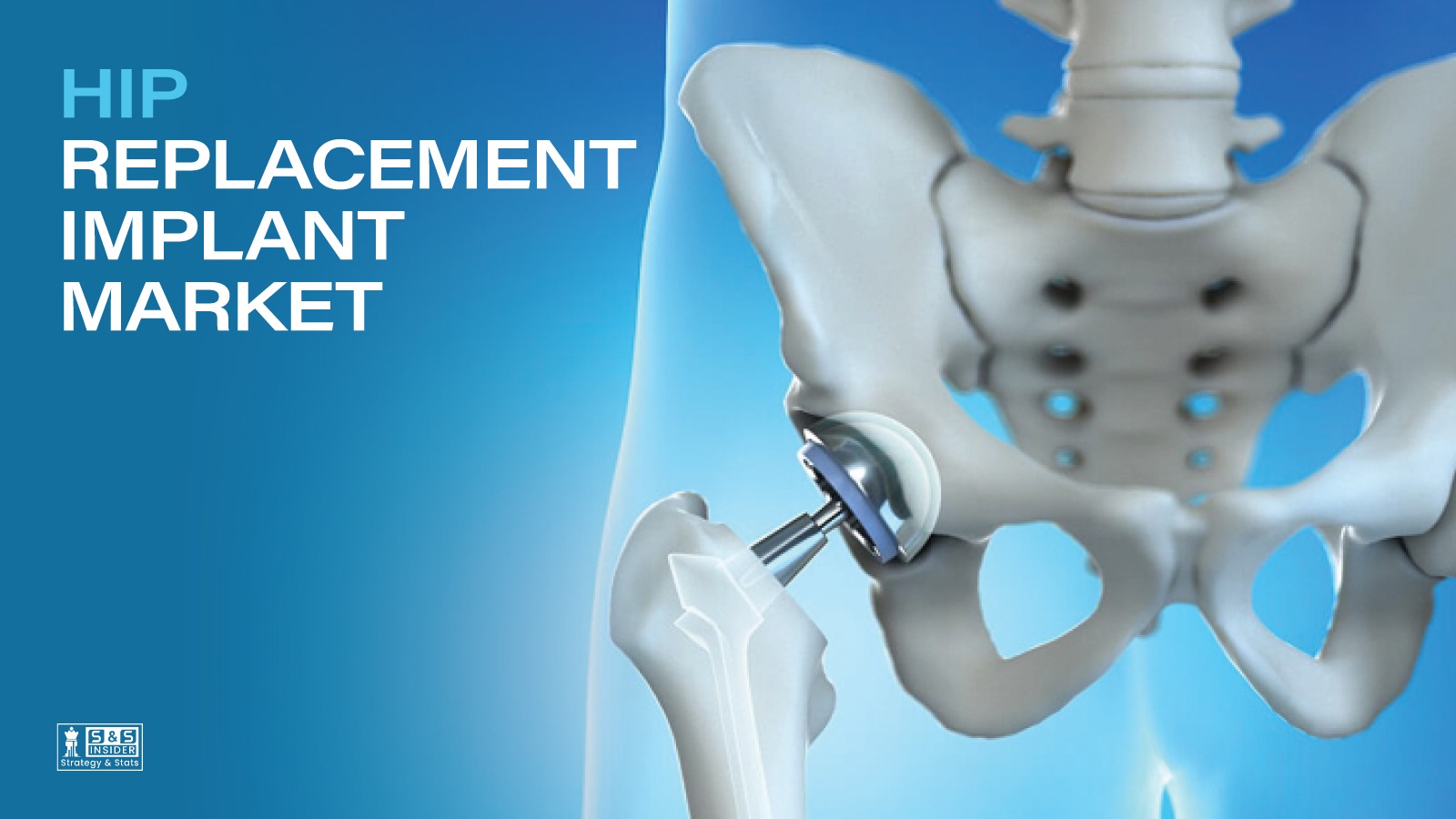
At present, the usage of hip implants has become a crucial aspect of orthopedic health care due to their ability to improve mobility, lessen pain, and boost the quality of life of patients who suffer from various ailments affecting their hip joints and degenerative joint conditions. This type of surgical procedure helps restore the function of joints, as well as provides long-term mobility for those individuals whose bones are suffering from various diseases, such as arthritis or other musculoskeletal issues. Unlike the methods used before aimed only at treating pain, implants today bring a more holistic solution and improved recovery process.
As per SNS Insider, the value of the global market size for Hip Replacement Implants is expected to be USD 5.96 billion in 2025 and grow further to USD 7.89 billion by 2035 at a CAGR of 2.81%. The primary factors driving the market are the growing prevalence of orthopedic conditions, aging population, increased adoption of innovative orthopedic surgeries, and constant innovation in implants.
Major Hip Replacement Implant Companies and Their Global Impact
Stryker Corporation
 One of the leading organizations producing orthopedic implants and surgical devices used for hip replacement surgeries is Stryker Corporation. This company creates innovative implant devices to provide more joint motion, increase implant longevity, and promote better patient outcomes. The company’s product range consists of minimally invasive orthopedic devices and implantable devices, which ensure higher long-term effectiveness of the treatment process. Currently, Stryker invests further into robotic assistance technology in orthopedics and new implants.
Zimmer Biomet
 Zimmer Biomet is one of the prominent manufacturers of medical devices producing hip replacement implants and other orthopedic solutions. This company is mainly engaged in the creation of personalized implant devices, surgical accuracy, and patient-oriented orthopedics. The orthopedic product line of the company allows performing joint reconstruction surgeries, providing patients with greater mobility and preventing postoperative complications.
Smith & Nephew
 Smith & Nephew designs orthopedic reconstruction technologies and implant systems that are utilized in hip replacement surgeries and joint reconstructions. The company specializes in implant innovation, surgical efficiency, and postoperative care innovation. The orthopedic products of the company are extensively used throughout hospitals and orthopedic centers worldwide. In the latest period, Smith & Nephew has been emphasizing innovation in minimally invasive orthopedic technologies and surgical workflows.
B. Braun Melsungen AG
 B. Braun Melsungen AG specializes in designing surgical and orthopedic technologies employed in joint replacements and musculoskeletal surgical interventions. The company prioritizes safety healthcare innovations, high-quality implants, and surgical efficiency in orthopedics. The company's orthopedic product line is utilized by healthcare practitioners for providing reliable hip replacement services. In the recent period, B. Braun has been reinforcing its portfolio of orthopedic surgery and implant technologies.
Data-backed trends guiding future business opportunities
The hip replacement implant market would see stable growth since healthcare organizations are becoming more and more focused on providing better quality care in terms of orthopedic treatment and mobility restoration for older patients. Increased instances of joint deterioration and arthritis result in higher demand for effective treatment options and hip implants among developed and emerging healthcare regions.
Another key industry trend that should be mentioned includes the growing popularity of robotic orthopedic surgery techniques. Modern healthcare organizations tend to apply advanced surgical equipment, as well as advanced imaging systems to ensure successful hip replacement operations for patients. In addition, there is an increased focus on developing personalized orthopedic implants to enhance patient recovery process.
Finally, another factor affecting positively the development of the industry includes investments into orthopedic treatment facilities and infrastructure. Hospitals and orthopedic centers are now actively focusing on providing effective post-surgery rehabilitation services to patients who undergo hip replacement operations. Growing concerns about joint health have also increased patient demand for advanced implants.
Transforming orthopedic care through advanced implant innovation
The market for hip replacement implant devices will likely remain highly competitive in the future as organizations continue to focus on technological developments such as advancements in biomaterials, use of AI in surgeries, customized implants, and robotic surgery among others. Innovations geared towards making these implants more durable, minimizing risks associated with surgeries, and increasing patient recovery time will likely contribute to further market growth.
As there is growing interest in mobility restoration and orthopedics in general, there is the need to ensure that technology plays a key role in the provision of implants. As such, the adoption of innovative medical technologies will contribute towards improving health outcomes and ensuring efficient procedures.
Hip replacement implants are now considered essential parts of orthopedic health care and innovations will likely contribute to their adoption in the future.



