With the increase in connectivity in today’s world, the installation of security systems has become a necessity in the lives of homeowners due to safety and convenience issues and remote monitoring. The increasing concerns for burglary and other property-related crimes have fast-tracked the use of smart technology in home security systems, which include cameras, alarm systems, smart locks, access control systems, and remote monitoring technology. The growth of smart homes, in addition to the evolution of technologies such as AI and IoT, has been revolutionizing home security.
Unlike conventional security systems, contemporary home security systems come with real-time notifications, AI-based threat detection, facial recognition, cloud-based video recording and easy mobile connection. The trends of urbanization, higher disposable incomes, increasing internet adoption rates and popularity of DIY security systems drive the market demand for home security. According to UN estimates, about 56% of the world's population now lives in cities, a share that is forecasted to grow to about 68% by 2050. The ITU also reports that over 5.5 billion individuals across the globe have internet access.
As per SNS Insider, the U.S. Home Security Systems Market was valued at approximately USD 19.71 Billion in 2025 and is projected to grow up to around USD 37.76 Billion by 2035 at a CAGR of approximately 7.00%. The Global Home Security Systems Market size was USD 63.99 Billion in 2025 and is projected to grow up to USD 137.55 Billion by 2035 at a CAGR of 7.94% during 2026-2035. Adoption of AI-enabled surveillance technologies, wireless security systems, cloud-based security platforms, and integration with smart homes is anticipated to boost the market growth further.
Gain Actionable Intelligence on the Home Security Systems Market – Request a Sample Report
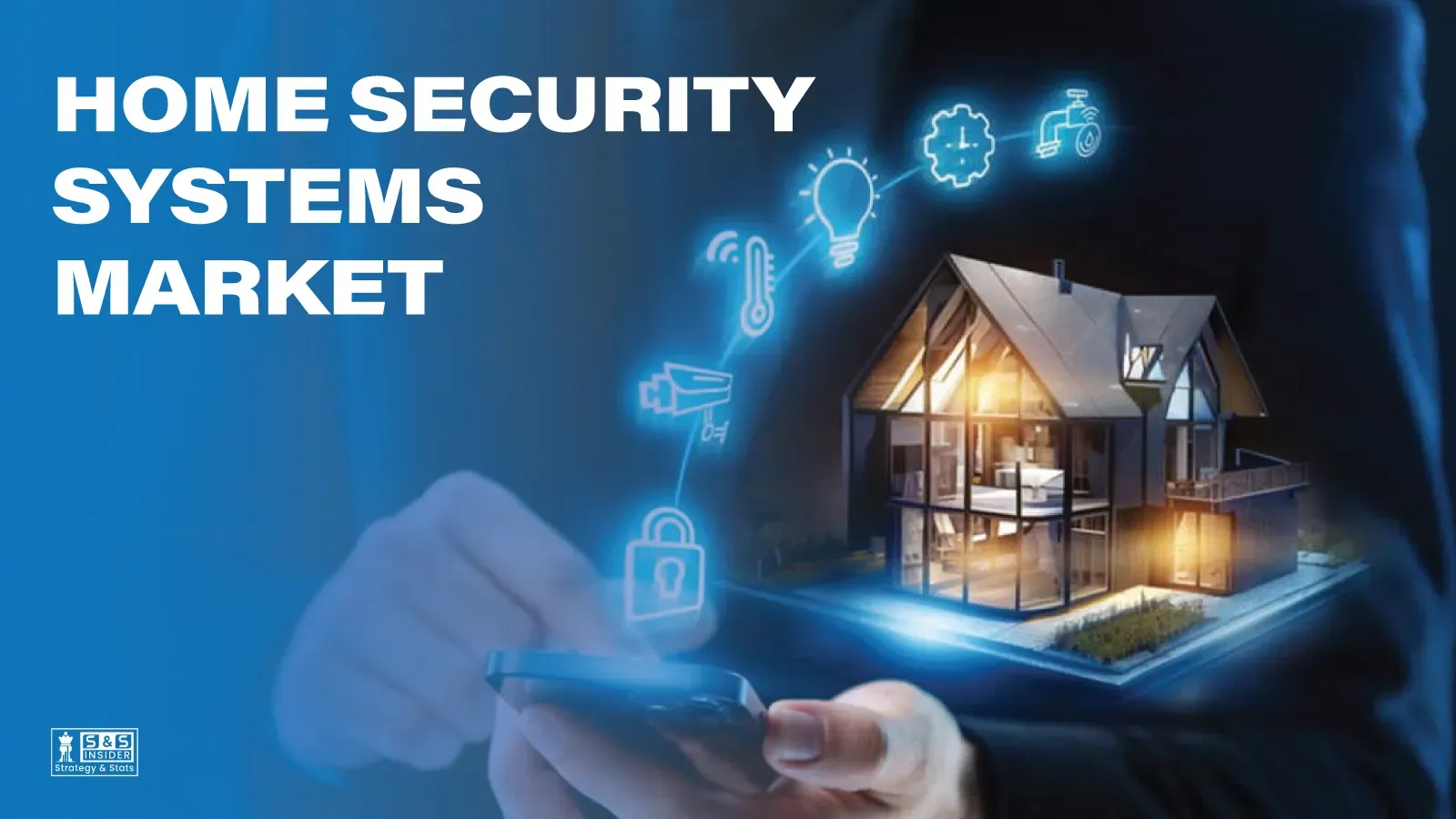
U.S. Home Security Systems Market Analysis
The U.S. continues to be the leading and most developed market in terms of home security systems due to high levels of consumer awareness concerning safety issues, usage of smart technologies in homes and professional monitoring services infrastructure. Increasing popularity of connected cameras, video doorbells, smart locks and security systems in the cloud drives people to adopt comprehensive home security systems with remote access and real-time alerts capabilities.
Moreover, the U.S. market is also getting benefitted from rising government awareness regarding home safety, growing penetration of smart homes, rising internet connectivity, and sustained investment in residential infrastructure. As per FBI, there are hundreds of thousands of burglary cases that are reported every year in the United States. Due to such growing concern regarding home security, increasing demand for do-it-yourself (DIY) home security solutions and AI-enabled surveillance systems is projected to drive the market during the forecast period.
Top 5 Leading Home Security Systems Leaders
1. ADT Inc.
 ADT Inc. is among the most recognizable providers of professionally monitored home security solutions, which include all-inclusive security options ranging from smart alarms to cameras, video doorbells, sensors and even home automation services. The company keeps on enhancing its position by incorporating advanced technology together with professional monitoring. For instance, in 2023, the company came up with ADT Plus solution, where it integrates professional monitoring with Google Nest smart home devices. This platform allows people to control their security system as well as other smart home devices from one place.
2. Ring LLC
 Ring has established itself as one of the most innovative companies in the field of smart residential security, owing to its range of products including video doorbells, surveillance cameras, alarms and other smart home devices. These products enable homeowners to have remote monitoring facilities, instant alerts and integration with their smart home ecosystem. The company keeps on developing its products in terms of smart residential security features with the help of AI, cloud computing and device connectivity.
3. Honeywell International Inc.
 The Honeywell International Company is one of the leaders in providing innovative security technology solutions for residential and commercial purposes such as intrusion detection technology, surveillance technologies, access control technology, and building management technology. The company aims at providing highly efficient security solutions that contribute towards making operations easier and safer. Honeywell keeps on developing cloud-based security management technology, AI-enabled analytical solutions, and Internet of Things (IoT) based security systems.
4. SimpliSafe, Inc.
 SimpliSafe has been established as one of the fastest growing companies providing DIY home security systems by offering highly flexible and easy-to-install systems that are targeted towards homeowners and renters. The company’s wireless security systems are affordable and come with professional monitoring and smart automation options. In 2023, SimpliSafe introduced the Smart Alarm Wireless Indoor Camera with artificial intelligence motion sensing and Live Guard Protection. The system dramatically cuts down on unnecessary dispatches to emergencies and allows verification of incidents by professional monitoring personnel.
5. Arlo Technologies, Inc.
 Arlo Technologies focuses on the development of wireless smart cameras for home surveillance, video doorbells, floodlight cameras, and cloud monitoring services. Arlo’s products are tailored to provide high-quality video surveillance, intelligent object detection, and mobile accessibility via user-friendly applications. Arlo keeps expanding its AI functionalities to enhance technologies that enable intelligent detection of people, vehicles, packages, and animals so that homeowners can get more accurate alerts.
What the Future of Home Security Systems Technology Holds?
The development of home security systems in the future will be dominated by artificial intelligence, cloud computing, IoT and automation to provide residents with highly proactive and personal protection. Video analysis powered by artificial intelligence, face recognition, threat prediction, voice assistants, biometric identification and smart sensors will help improve the performance of the systems, minimize false alarms and increase resident comfort. Systems for home security integrated into the connected environment of smart home solutions will become more widespread in the future.
Future advancements such as wireless security systems, do-it-yourself installation, and cloud security management systems will help make high-end security systems more affordable, flexible, and available to a larger number of consumers. Such advancements will make it easier for users to install the systems, minimize the cost of installing the systems, and enable users to monitor and manage security systems using phones. Apart from this, increased investment in smart cities and faster internet connectivity will lead to a rise in demand for intelligent home security systems.
With the development of residential security systems proceeding towards intelligent, connected and automated ecosystem-based solutions, companies that continue innovating in AI, cloud technology and smart homes will be well placed to benefit from the increasing need for such systems in the future.