The U.S. immune repertoire sequencing industry is expanding as oncology centers, biotechnology companies, pharmaceutical developers, hospitals, and research institutions adopt advanced sequencing to understand immune system diversity and treatment response. Immune repertoire sequencing analyzes T-cell and B-cell receptor populations, providing insights into immune activity across cancer, infectious disease, vaccine development, autoimmune disorders, and personalized medicine. Increasing use of next-generation sequencing, bioinformatics, single-cell technologies, and AI-supported analytics is strengthening the role of immune profiling in clinical research and precision healthcare.
According to SNS Insider, The Immune Repertoire Sequencing Market in the U.S. was valued at USD 124.17 million in 2025, and the market is expected to grow to USD 390.12 million by 2035 at a CAGR of 10.01%. The growth will be driven by immunooncology uses, rising demand for next-generation sequencing (NGS)-based diagnosis, and investments in precision medicine in the country.
Gain Actionable Intelligence on the Immune Repertoire Sequencing Market – Request a Free Sample Report
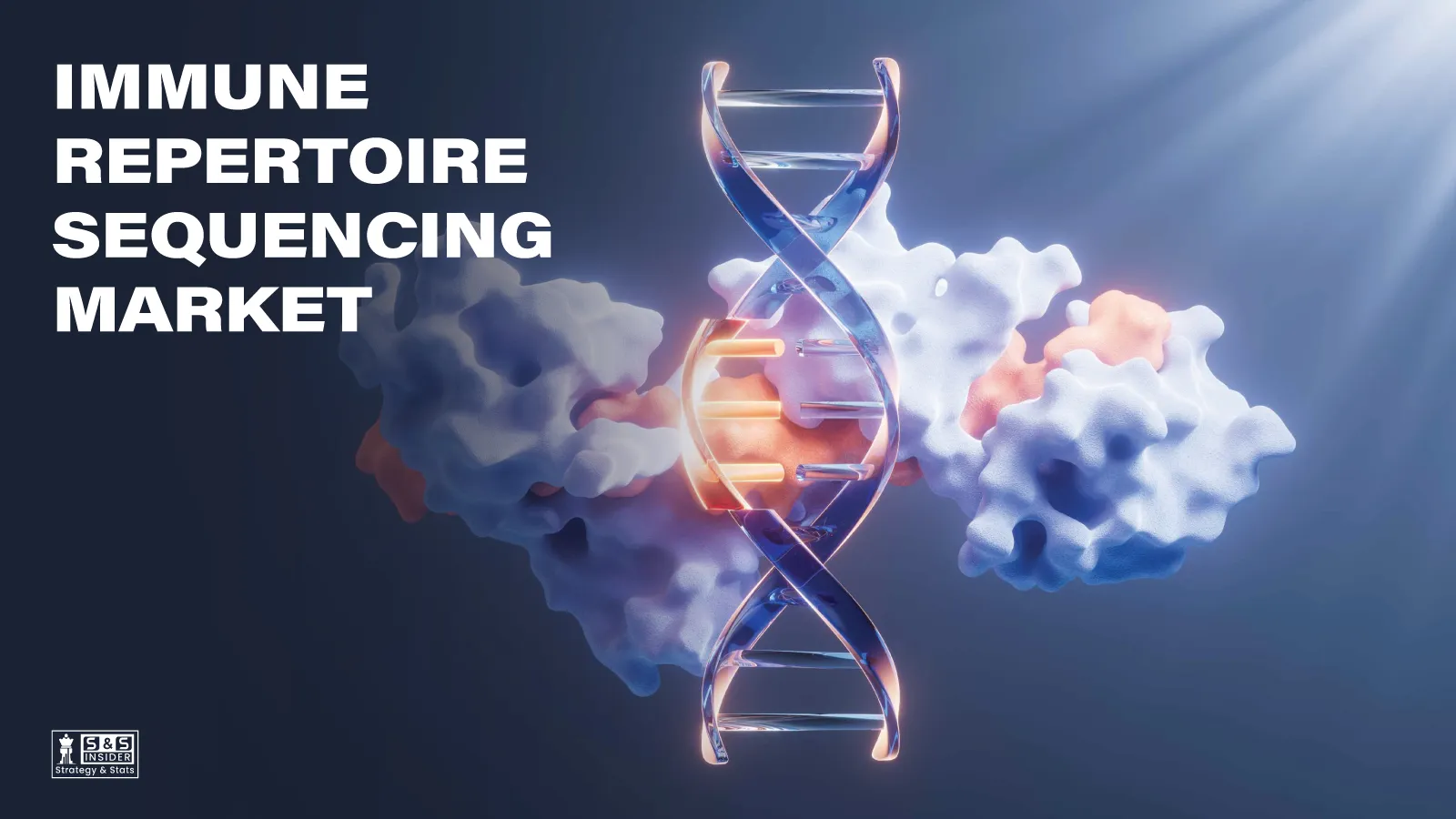
Precision Oncology Is Driving U.S. Adoption
One of the most powerful factors driving the immune repertoire sequencing market in the United States is the increasing utilization of such technologies within cancer research and immunotherapy drugs. TCR/BCR sequencing can assist scientists in analyzing the response to treatment, monitoring clonotypes' evolution, studying tumors, and finding unique characteristics of each patient's immunity.
Cancer research constituted around 46.81% of the market value in 2025 as a result of the increased utilization of sequencing in conjunction with checkpoint inhibitors, CAR-T therapy, and other innovative cancer treatments. With the personalization of immunotherapy, immune profiling becomes more and more applicable to treatment and clinical studies.
Vaccine Research Creates Additional Opportunities
Sequencing the immune repertoire is likely to become one of the areas where vaccine development will grow rapidly. Scientists use sequencing of immune responses in order to study immune response to pathogens, monitor long-term immunity, and evaluate the effectiveness of vaccines.
Moreover, public funding and pandemic preparedness projects contribute to the development of sequencing technologies. With increasing integration of immune sequencing into vaccine development, commercial players that provide advanced sequencing services might get access to clinical and pharmaceutical research projects.
Companies Advancing the U.S. Immune Sequencing Market
Illumina
 Illumina is one of the leading players in the sequencing and genomic analysis technology market that is currently being utilized in oncology, immunology, and precision medicine. The high-throughput sequencing systems of Illumina have a variety of applications for different immune repertoire studies and aid laboratories in analyzing different T-cell and B-cell repertoires. On July 2025, Illumina introduced a new product line of NGS-based proteomics solutions aimed at accelerating the process of protein analysis from sample preparation till reporting stage.
Thermo Fisher Scientific
 Thermo Fisher Scientific provides sequencing platforms, reagents, bioinformatics solutions, and lab infrastructure in areas such as diagnostics, drug development, and immune surveillance. The company uses its diverse range of tools for scalable sequencing and high throughput immuno-genomics research. In May 2025, the company launched the Oncomine TCR Beta-SR Assay, adding to its portfolio of immuno-oncology sequencing solutions. This assay is intended to provide more information regarding T-cell receptor repertoire, which will assist cancer research labs in evaluating immune responses and enhancing the presence of Thermo Fisher in immune surveillance.
Adaptive Biotechnologies
 The company known as Adaptive Biotechnologies is an innovative provider of immune diagnostics and advanced immune sequencing that uses next generation sequencing, cloud-based computing, and machine learning. Its technology finds application in different clinical and research purposes in oncology, immunotherapy monitoring, and immune response studies. In March 2025, the company released its next generation clonoSEQ and immunoSEQ IVD Test Kit that allowed decentralized immune sequencing and measurement of residual disease.
Market Challenges and Outlook
Expensive sequencing process, bioinformatics expertise, big data, and complicated analysis are still factors that act as impediments for the wide use of this technology. Small hospitals and research organizations could encounter problems due to infrastructure costs and availability of experienced specialists.
However, these limitations will not prevent the growth of the U.S. market until 2035 owing to the development of precision oncology, vaccines, infectious diseases, single cell sequencing and bioinformatics based on artificial intelligence. While the U.S. Immune Repertoire Sequencing Market reaches USD 390.12 million in 2035, high-throughput, clinical quality, advanced bioinformatics and scalability will stay crucial for the future of immunogenomics.