
In the luxury hospitality industry on a global level, a resurgence can be observed as wealthy tourists look for experiences that are tailored to them as well as luxurious tourism. The luxury hotels in the market are evolving themselves using sustainable hospitality practices, artificial intelligence for personalizing the experience, and smart rooms.
One can observe that more and more hospitality facilities are being provided on an eco-luxury basis. Indeed, large hotel groups continue their expansion by opening facilities at new tourism destinations such as smaller cities owing to a rise in tourists travelling around the globe. Moreover, one should note that smart technologies have found their application in the hospitality industry. These include mobile check-in processes, guest advice delivered using AI algorithms, IoT-equipped rooms, and other innovations.
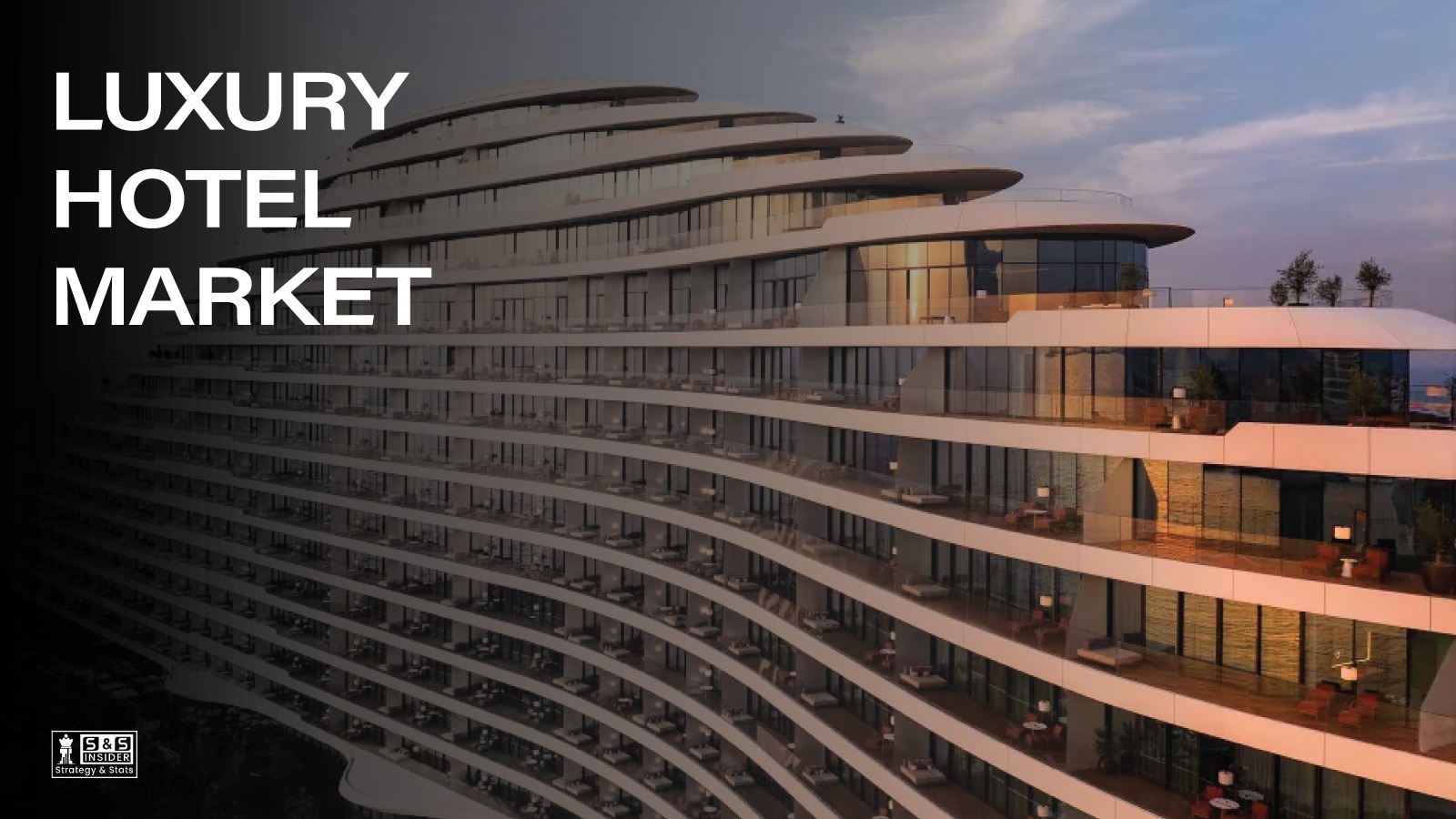
Major Trends Driving the Global Luxury Hotel Market:
In 2025, the Global Luxury Hotels Market reached USD 111.55 billion and is expected to increase up to USD 209.36 billion by 2035. Increase in disposable income, growing number of wealthy people, and international tourism are key drivers for market growth.
There is an increasing inclination towards luxury experiences and high-end services, which has motivated hoteliers to come up with innovative ideas constantly. Wellness tourism seems to be one of the leading trends in the current scenario, as luxury hotels are now providing spas, mental wellness programs, longevity treatments, and healing practices.
Moreover, sustainable operations have become one of the top priorities in the entire hospitality sector. Luxurious tourists nowadays demand such places where energy sources will be renewable and buildings will be environmentally certified and constructed.
What Strategies Are Leading Luxury Hotel Brands Using?
Top luxury hotel operators are focusing heavily on technological innovation, global expansion, and experiential hospitality to strengthen their competitive positions. Companies are investing in AI-driven personalization technologies, smart room automation, and data-driven revenue management systems to improve customer experiences.
Luxury hotel brands are also expanding branded residences, boutique luxury properties, and franchise-based operations to improve market penetration. Furthermore, partnerships with wellness providers, premium lifestyle brands, and tourism agencies are helping hotel companies diversify their service portfolios and attract affluent global travelers.
Top 10 Luxury Hotel Brands Leading the Market In 2026 are:
1. Marriott International
 Marriott International is still considered one of the major competitors in the luxury hotels industry by having various luxury hotels brands in its collection. It runs its businesses throughout the world by the means of luxury hotels brands such as Ritz-Carlton, St. Regis, JW Marriott, and W Hotels. Marriott has been constantly upgrading its luxury hotels brand portfolio through various ways.
2. Hilton Worldwide Holdings

The efforts of Hilton Worldwide Holdings towards creating a stronger foothold in luxury hospitality include brands like Waldorf Astoria, Conrad Hotels, and LXR Hotels & Resorts. Hilton Worldwide Holdings is aggressively making investments in technologies related to hospitality, digitization of hotel bookings, and guest experience personalization.
3. Hyatt Hotels Corporation
 The Hyatt Hotel Corporation has been making tremendous progress in its luxury and lifestyle business area by incorporating several premium hotel chains like Park Hyatt, Alila, and Andaz. It has made a lot of investment into wellness tourism, sustainable hospitality, and luxury leisure activities..
4. Four Seasons Hotels and Resorts
 Four Seasons Hotels and Resorts have been known to offer the best luxury hotel services. The firm still maintains its competitive edge through the creation of luxury resort, branded residences, and wellness services in various tourist destinations.
5. Accor S.A.
 The Accord S.A. has created a successful luxury portfolio by introducing brands, such as Fairmont, Sofitel, Banyan Tree, and Raffles. Accor is highly focusing on tourism, which is likely sustainable, luxurious lifestyle, and smart hospitality services to develop distinctive competitive strengths.
6. InterContinental Hotels Group
 The Intercontinental Hotels Group develops its luxury hotels with their flagship brands, such as the Regent Hotels, Kimpton Hotels, and InterContinental Hotels & Resorts. Intercontinental Hotels Group is recognized for customer loyalty program, technology advances, and luxury corporate travel services.
7. Mandarin Oriental Hotel Group
 The Mandarin Oriental Hotel Group is renowned for its unique integration of luxurious accommodations with wellness services. The group's unique spa offerings, engaging guest experience, and distinctive urban luxury destinations still draw discerning guests today.
8. Aman Resorts
 Aman resorts are associated with luxurious hospitality and exclusive travel experiences. The firm concentrates on providing secluded destinations that include luxury hotels, customized services, and wellness retreats for wealthy clients seeking exclusivity and privacy.
9. Shangri-La Group
 The company called Shangri-La Group has made tremendous gains in the realm of luxury hotels through its presence in the Asia-Pacific region and other tourism destinations worldwide. The unique feature of this enterprise is that it provides luxury hotels, wellness resorts, and also superior Asian hospitality services.
10. Taj Hotels
 Taj Hotels continues to strengthen its global luxury hospitality presence through heritage properties, palace hotels, and premium leisure destinations. The company has leveraged the growing tourism sector in India for its growth in the luxury hotel industry.
Next Era of Travel Driven by Wellness and Eco-Luxury:
Future trends in the luxury hotel industry include the development of wellness tourism, sustainability in hospitality, and use of technology to personalize guests’ experience. Today’s consumers are paying increasing attention to experiences that combine immersion into the environment, wellness features, and sustainability.
The fast development of luxury tourism in the Asia Pacific region, the Middle East, and emerging markets around the world will undoubtedly provide numerous opportunities for hotels globally. Moreover, the rising popularity of technologies in hospitality, branded residences, and experiential travel are set to shape the future of luxury hospitality globally.



