
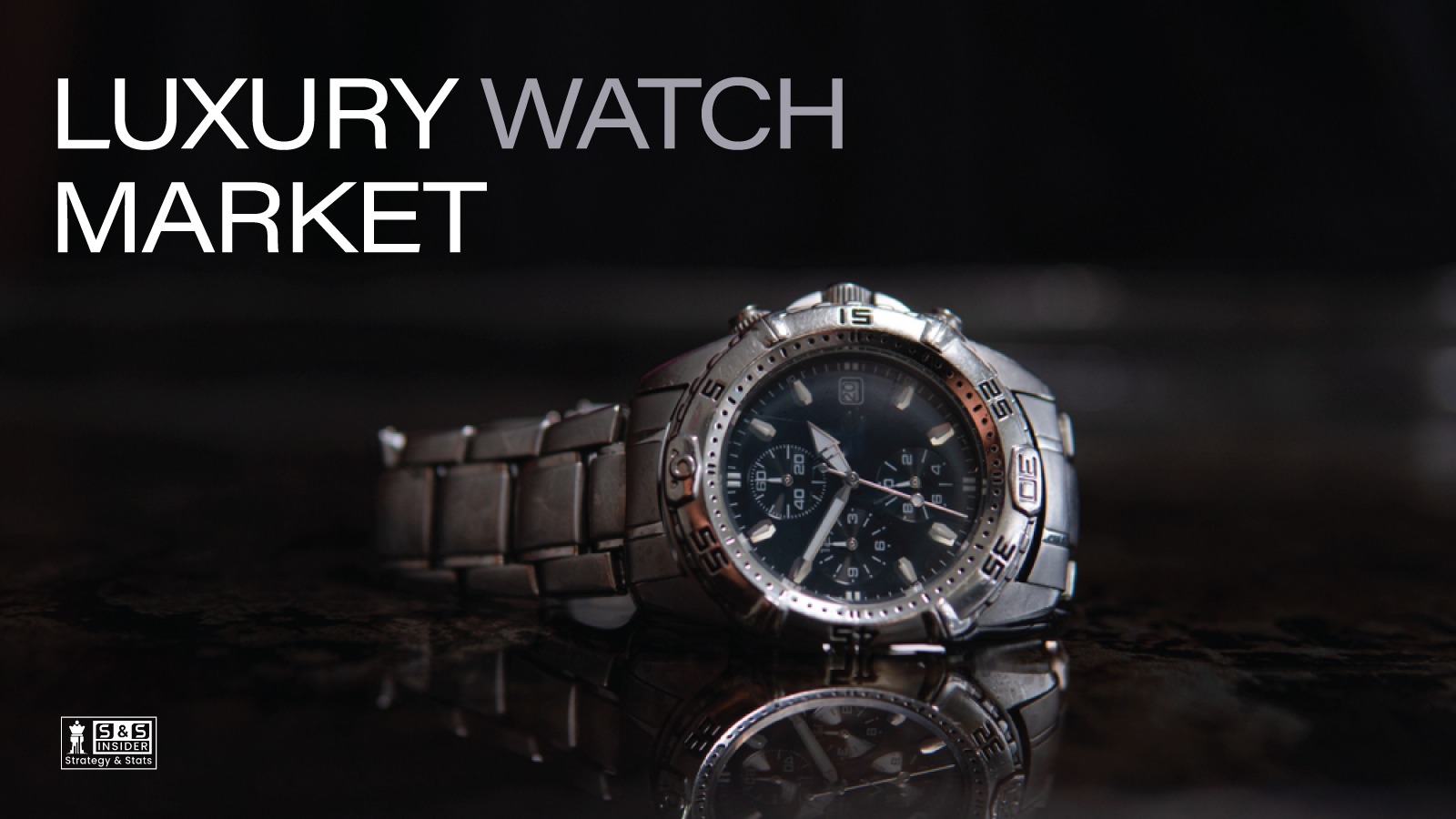
Increasing popularity and sales of luxury watches which are famous for precise engineering, classic craftsmanship, and high-level premiumness are one of the most important factors influencing the global luxury accessories market. Luxury watches are considered to be the symbol of status, collectible investment items, and a timeless element of high-end fashion for people with a luxurious way of life. Luxury watches are widely used in different categories such as formal, lifestyle, sport, and premium fashion accessories. An increasing demand for limited edition luxury watches, Swiss watches with mechanical movements, and jewelry-like designs is observed.
SNS Insider states that in 2025, the size of the Luxury Watch Market amounted to USD 64.79 billion. It is expected that in 2035 the market will grow up to USD 112.43 billion, and it will have a CAGR of 5.69% in 2026-2035. Market expansion will be facilitated by increasing income levels, an increasing demand for premium fashion accessories, collecting, and preference to luxury brands with heritage. Digital luxury retail channels expansion, pre-owned luxury watches growing popularity, and smart luxury watches popularity contribute to the fast market expansion.
Leading Manufacturers in the Luxury Watch Industry:
1. Rolex
 Rolex watches are among the most well-known luxury watch brands in the entire world. The iconic collections such as Submariner, Daytona and Datejust continue to remain at the top of the buyer preference in higher end collectible watches. Due to efficient resale value combined with an idea of being mass-produced in small quantities, Rolex preserves great demand from both the new and pre-owned luxury watch market.
2. Patek Philippe
 Patek Philippe, was a prestigious high-end mechanical watchmaking company among brands producing complicated timepieces. It is revered among collectors and investors due to its heritage, hand-finished movements, and limited-run releases. The emphasis on excellence and horological quality has bolstered its leadership in the ultra-luxury watch sector.
3. Audemars Piguet
 Audemars Piguet is also one of the few brands with a strong global reputation, built on luxury sports watches and high-level craftsmanship. The design was and remains one of the most iconic luxury watches in existence, all thanks to that innovative (and then-controversial) "Royal Oak" collection. With a focus on exclusivity, modern design and production volumes that can easily be handled by the company over individual sets of wheels find Harvey with plenty to talk about amongst younger affluent consumers & collectors.
4. Omega
 Precision, longevity, and technology have been hallmarks of Omega luxury watches. Omega has excellent presence not only in the sports, but also in space, as well as luxury lifestyle areas. The popularity of Omega’s Seamaster and Speedmaster watch models is still high among luxury consumers around the world.
5. Cartier
 Combining the expertise in fine jewelry making with luxurious watch design, Cartier is regarded as one of the most influential luxury-watch brands today. Due to its elegant jewelry-like watches, Cartier attracts mostly fashion and luxury-oriented customers, especially women.
6. TAG Heuer
 TAG Heuer is synonymous with motorsports, sports timing and modern watchmaking luxury. This brand has a diverse collection of watches including chronographs, automatic and connected mystic luxury watches. TAG Heuer broadens its global reach as it becomes a pioneer of digital innovation, taps into younger consumer demographics and secures premium sport partnerships more than ever before.
7. Richard Mille
 One of the most rapidly growing ultra-luxury watch brands has been Richard Mille owing to its unique futuristic designs, lightness of materials used in its manufacture, and exclusive manufacturing process. In fact, the brand's innovative application of high-end materials like titanium, sapphire crystal, and carbon fiber composites revolutionized the field of modern luxury watch making.
Premium Watch Brands Driving the Next Generation of Luxury Timepieces:
The importance of luxury watches has not diminished in the global luxury goods industry underlined by heritage value, craftsmanship and quality control at strict standards with a level of exclusivity that makes them an attractive investment. More than just functional timepieces, these watches represent a status symbol and personality for the global consumer in industries such as luxury fashion brands where an increase or decrease in value was similar to trading financial assets like gold. In addition, the growing popularity of exclusive models including Swiss mechanical movements and premium materials (platinum, ceramic sapphire crystal) continues to bolster market demand.
Some other factors that reshape the luxury watch landscape are technological improvement and digital transformation. Brands are adopting smart characteristics, online authentication systems and direct-to-consumer luxury retail platforms to higher consumer engagement in today buying experience. The pre-owned luxury watch bubble, plus growing interest from younger wealthy consumers is leading to fresh growth possibilities throughout worldwide marketplaces. With luxury consumers remaining all the while focused on exclusivity, craftsmanship and sustainable premium products, it is very much expected that luxury watches brands will continue to lead in the international market for high-end accessories.



