
The world’s seas have grown more essential for global commerce, energy transportation, fisheries management, and national security. As the volume of marine traffic increases and geopolitical tensions change, governments and maritime authorities have greater challenges to defend ports, preserve important infrastructure, and patrol large territorial seas for developing dangers.
Traditional radar-based monitoring is a long cry from modern marine surveillance systems. Current options include satellites, coastal radar networks, electro-optical sensors, automated identification systems (AIS), artificial intelligence, and unmanned platforms to give real-time marine domain awareness. These technologies allow authorities to spot suspicious activity, follow vessel movements and react quickly to possible security crises in large marine areas.
Maritime Surveillance Market was valued at USD 27.07 billion in 2025, and it is projected to reach USD 49.00 billion by 2033, rising at a CAGR of 7.78% during the forecast period 2026 to 2033. The growth is mostly due to growing maritime security risks such as piracy, smuggling, illicit fishing and territorial invasions. Governments and military agencies are spending billions in sophisticated surveillance systems to improve marine domain awareness and protect important commerce routes, coastal borders and strategic assets.
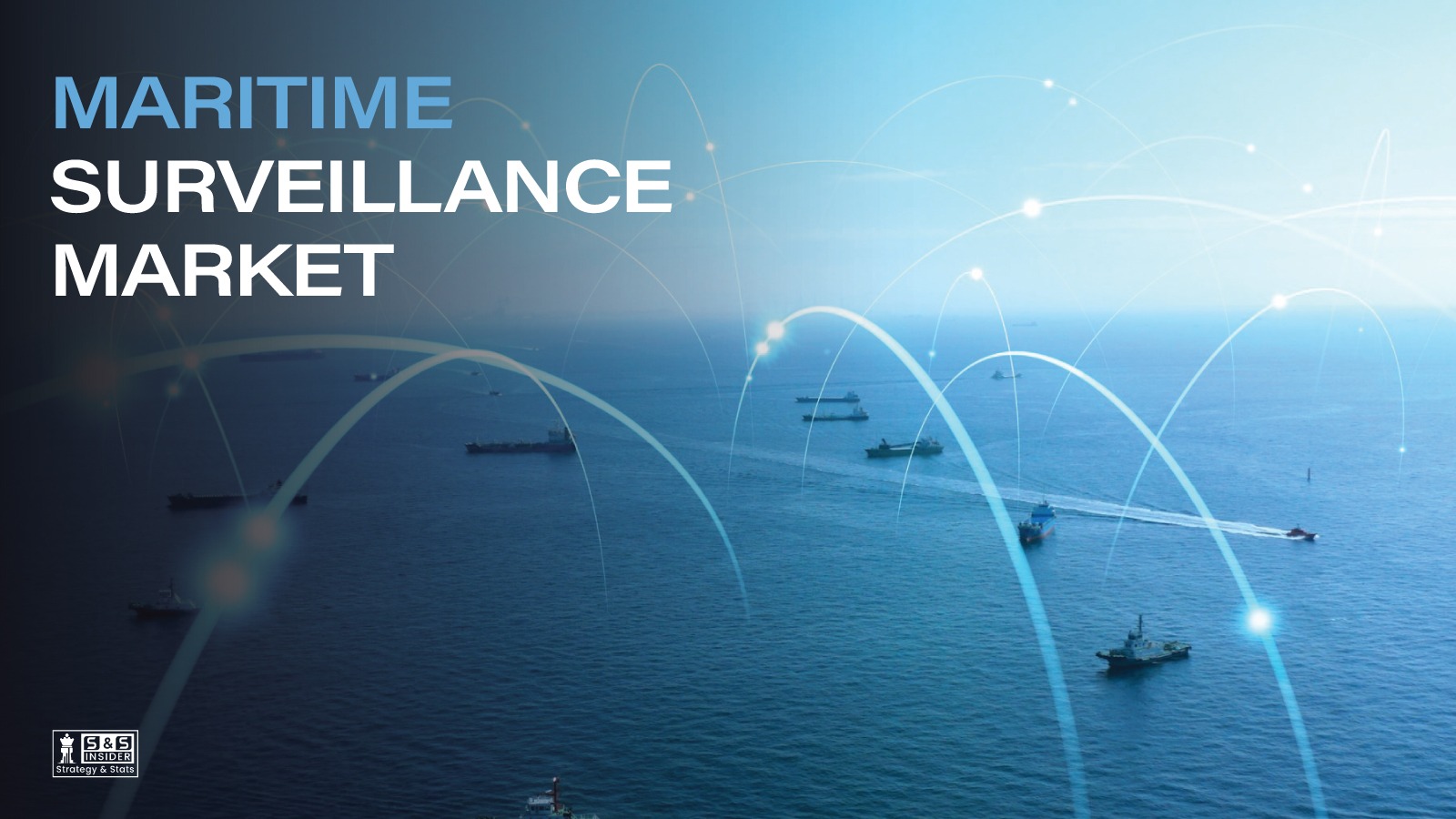
Why Maritime Domain Awareness Has Become Critical
As commercial marine traffic, development of offshore infrastructure, and international maritime commerce continue to expand, the challenges of maritime security have grown more complex. Large bodies of water and inaccessible coasts may hide dangers that are generally not detectable by conventional monitoring methods.
Marine surveillance systems deliver persistent awareness of marine environments by consolidating an array of intelligence and monitoring technologies into a single operational picture. This capacity enables naval forces, coast guards and maritime authorities to detect potential threats early, to better coordinate their operations and to make informed decisions in real time.
As governments seek to strengthen border security and protect commercial interests at sea, maritime domain awareness has emerged as a strategic objective for both military organizations and civilian maritime agencies.
Key Growth Drivers
Rising Maritime Security Threats Worldwide
Piracy, illicit fishing, drug trafficking, human smuggling and unlawful marine incursions are expanding and generating a significant need for sophisticated monitoring tool. Governments are improving their monitoring capacities to increase the efficacy of responses and support enforcement efforts in coastal and offshore areas. Improved surveillance systems allow authorities to detect suspicious boats, analyze marine traffic patterns and keep a constant eye on critical rivers that feed global commerce.
Growing Adoption of Satellite and Unmanned Surveillance Platforms
The use of satellite monitoring and unmanned systems is growing as an element of maritime monitoring strategies. These technologies offer wide coverage beyond traditional coastal radar networks, and enable real-time vessel tracking and anomaly detection. Most of the defense agencies and maritime security organizations are adopting such systems owing to their ability to efficiently monitor wide maritime areas.
Leading Companies Driving Innovation in Maritime Surveillance
Elbit Systems Ltd.
Elbit Systems produces intelligence, surveillance and reconnaissance systems for maritime authorities, for monitoring of coastal boundaries and territorial waterways. The company’s innovations provide improved threat detection and operational efficiency to marine security operations.
Elbit’s increasing emphasis on integrated surveillance systems makes it a key player in the developing marine surveillance space.
Lockheed Martin Corp .
 Lockheed Martin provides cutting-edge surveillance and defense solutions to improve marine security and operational efficiency. The business designs integrated systems combining radar, sensor and intelligence capabilities for complete marine surveillance.
Its knowledge of innovative defense technology continues to help modernization efforts of navies in many locations.
Northrop Grumman Corporation.
 Northrop Grumman provides a complete range of surveillance, intelligence and sensor technologies for marine applications. The company’s products provide military companies better situational awareness and improved marine security capabilities.
Its concentration on sophisticated surveillance infrastructures caters to the expanding needs for marine intelligence in real-time.
Raytheon Technologies Corp
 Raytheon Technologies designs surveillance radar systems, sensor technologies and integrated surveillance solutions for military and marine security applications. Its solutions allow vessel identification, threat assessment and operational coordination in marine situations
The Company continues to improve its position in the marine surveillance sector with its investments in military innovation continuing.
Digital Surveillance Technologies Reshape Maritime Operations
The marine surveillance industry is increasingly adopting artificial intelligence, machine learning, advanced analytics and autonomous monitoring technologies to improve operational performance. These technologies allow operators to analyze large volumes of marine data more effectively, identify anomalies and respond to emerging risks.
As maritime security requirements evolve, integrated surveillance ecosystems will be even more important to governments wanting total visibility of their territorial seas and critical maritime zones.
The convergence of radar systems, satellite technology, unmanned platforms and intelligence analytics is bringing together to improve marine security capabilities globally with long term growth prospects for the Marine Surveillance Market.



