
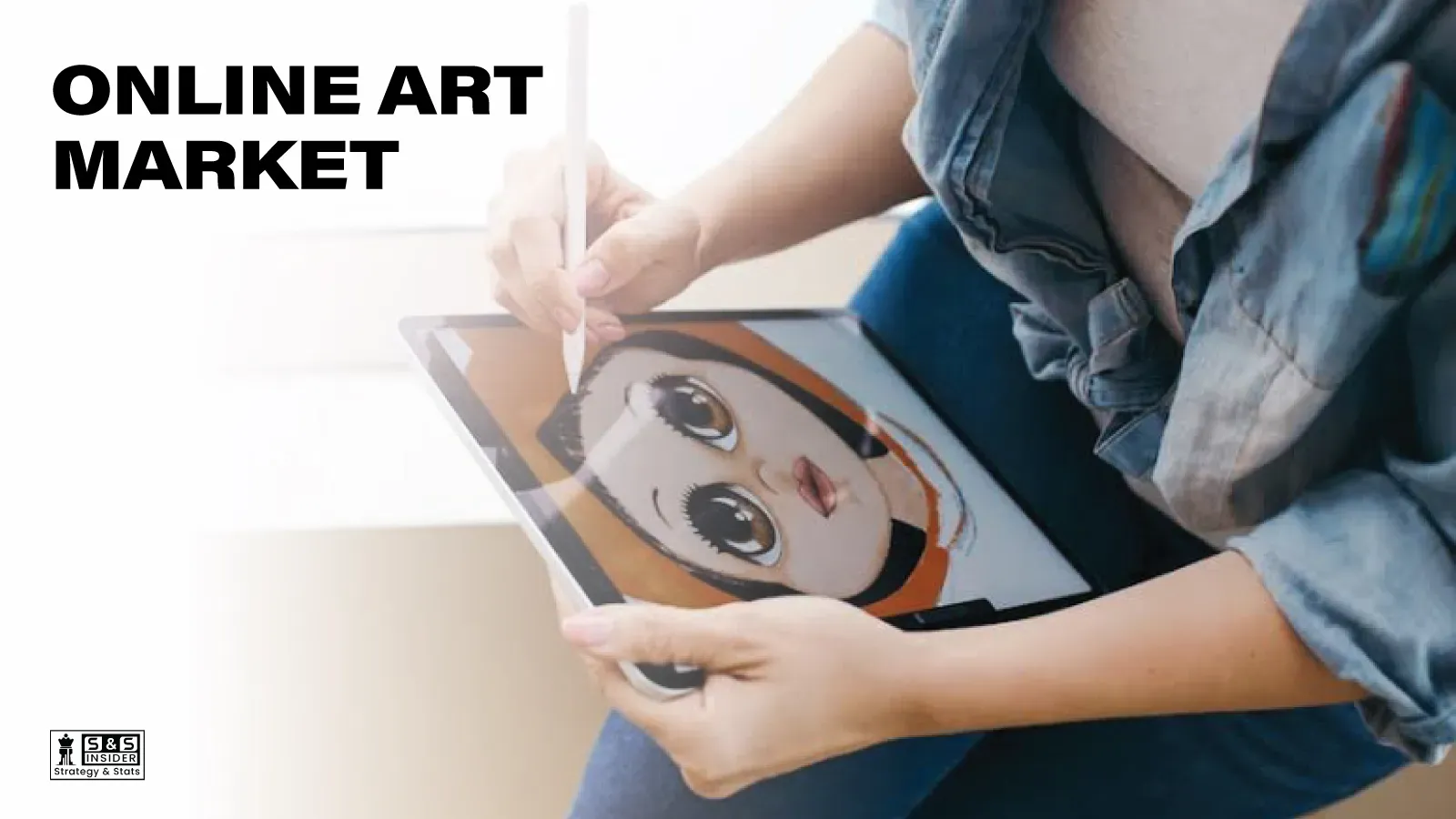
Online Art Market has developed from being a digitalized channel to become an integral part of the art economy globally, where artists, collectors, galleries, auctioneers, and investors operate independently of geographical limitations. The use of online market places has expanded to include not only paintings, but also photography, digital art, prints, collectibles, and other forms of art. Buyers enjoy more convenience, diversity, transparency in pricing, and accessibility compared to traditional art markets, which take place in galleries. Moreover, digitalization has attracted younger buyers and allowed artists to present their art independently of galleries.
The Online Art Market has been valued at USD 12.16 billion in 2025 and is expected to increase its valuation to USD 24.03 billion in 2035 with a CAGR of 7.05% between 2026 and 2035, says SNS Insider. This growth will be fueled by increased digitalization, global accessibility to artworks, increasing demand for artworks as an investment, and artist-direct sales model. Augmented Reality, Artificial Intelligence, blockchain verification, and digital payment security technologies have made this growth possible.
Gain Actionable Intelligence on the Online Art Market - Request a Sample Report
Leading Online Art Platforms and Their Market Influence:
1. Artsy Inc.

The Artsy has become a significant online platform where collectors can find artwork to purchase. The platform allows collectors to browse through different types of artwork, such as contemporary painting, photography, prints, sculptures, and up-and-coming artists. The artwork can be explored from all over the world through one digital portal.
The technology factor still plays an important role in the Artsy approach to developing its platform because it uses various digital tools that allow users to discover artworks based on their interests, prices, and collection preferences. At the same time, it is important to note that the online exhibitions presented by this platform show the possibility of using digital art platforms beyond transactional purposes. They can create communities of artists and cultural projects.
2. Saatchi Art LLC
The Saatchi Art is an online marketplace that deals with original art and limited-edition art by artists from around the world. The platform enables emerging artists to gain recognition among collectors while allowing buyers to access various forms of art such as paintings, photography, sculptures, and drawings at affordable prices. This system has made it easier for some of the challenges faced to be reduced.
In addition, there is the advantage that comes about as a result of increasing interest among new buyers for more affordable and mid-level artworks. Ease of evaluation of artworks by consumers through their display digitally, artist profile pages, collection pages and e-commerce structure allows the company to play a significant role in the democratization of the art buying process.
3. Sotheby's

Sotheby’s has successfully integrated its reputation in the traditional auction business with its growing presence in the digital auction and art-commerce space. The online presence of Sotheby’s enables art lovers to bid on auctions, view digital catalogs, evaluate their valuations, and interact with art without necessarily being present at the auctions.
The transformation of the company into the digital space has enhanced its capacity for facilitating cross-border deals as well as appealing to tech-savvy collectors. Digital bidding, digital consignments, valuation services and improved previewing are making the buying process easier. With expensive artwork deals embracing digital technology, Sotheby's has become an integral part of connecting old-school collecting to e-commerce.
4. Christie's
Christie’s has managed to create a strong online identity using digital auctions, online catalogs, virtual viewing rooms, and online bidding services. This has made it possible for buyers to explore pieces of art in various forms through auctions held at different geographical locations. This approach has been helpful in connecting with buyers who do not normally attend auctions physically.
The company is also making investments in digital experiences that increase transparency and accessibility in the purchase process. Digital bidding and better online preview features may allow the collectors to gain more flexibility, minimizing the geographical barriers. The good name that Christie’s has earned in the international art market will help the digital services gain credibility especially in high value segments.
5. Singulart SAS

Singulart is an international virtual marketplace for artwork which concentrates mainly on facilitating communication between artists and art collectors throughout the world. The website provides paintings, photographs, sculptures, among others, created by artists coming from different cultures and various artistic backgrounds. Through the use of the virtual space, art collectors can explore new talents without necessarily visiting local galleries.
The international marketing strategy of Singulart is well-suited to meet the rising need for art discovery on an international level. With digital technology, collections, artist data and purchasing, all geared to help people find unique pieces from various parts of the world, online marketplaces, such as Singulart will be poised to gain from more foreign buyers joining the market for art online.
6. Artfinder Ltd.
 The Artfinder company is creating an online portal where individual artists are able to promote and sell their original artwork or prints. This business model allows artist-to-customer transactions since artists are provided more freedom in their online store operations and customer relations. There are many types of art and different prices involved in this website, thus making it useful for beginners and experienced clients.
It is crucial to note that the rise in artist-to-consumer sales is one of the key developments in the world of online art, since it helps to minimize the reliance on traditional galleries, as well as reach out to a wider audience of potential buyers from abroad. The development of Artfinder, a digital marketplace platform, reflects this shift since it allows for combining online exposure with sales.
Next Phase of Development in the Online Art Industry
The future trend in the Online Art Market will be defined by the use of artificial intelligence, augmented reality, blockchain authentication, digital provenance, and highly personalized experiences. Augmented Reality visualization will make it possible for buyers to visualize the artwork at home or office, while Artificial Intelligence recommendation system will make it easier to browse through vast online catalogues.
Equally important, sustainable digital commerce, international artists’ discovery, affordable entry-level artworks, and art investment tools will undoubtedly help extend the addressable market for the industry. Enhanced authentication, secured payments, logistics, and cross-border services will enhance the buyers’ confidence. The convergence of traditional auctions, digital art market, and direct-to-artists platforms will undoubtedly place online art in a more prominent position within the global art world.



