The global agricultural industry is coming under mounting pressure to produce food in an environment characterized by reducing arable land, varying climate patterns, and efficient nutrient usage. The importance of phosphate fertilizers in modern-day agriculture cannot be underestimated since they help in the growth of roots, flowering, plant growth and crops' productivity. With the increased use of precision and intensive agriculture in the agricultural industry, the demand for phosphate fertilizers will continue to rise.
As stated in SNS Insider, the Phosphate Fertilizer Market size reached USD 74.98 billion in 2025 and is estimated to rise to USD 132.9 billion by 2035, growing at a CAGR of 5.89% between 2026 and 2035. Growing food consumption across the globe, the development of agriculture, and the need for high-yielding crops are some of the key drivers of the market growth. Additionally, the availability of phosphate rock in limited areas presents certain challenges to the producers and importers.
Gain Actionable Intelligence on the Phosphate Fertilizer Market – Request a Sample Report
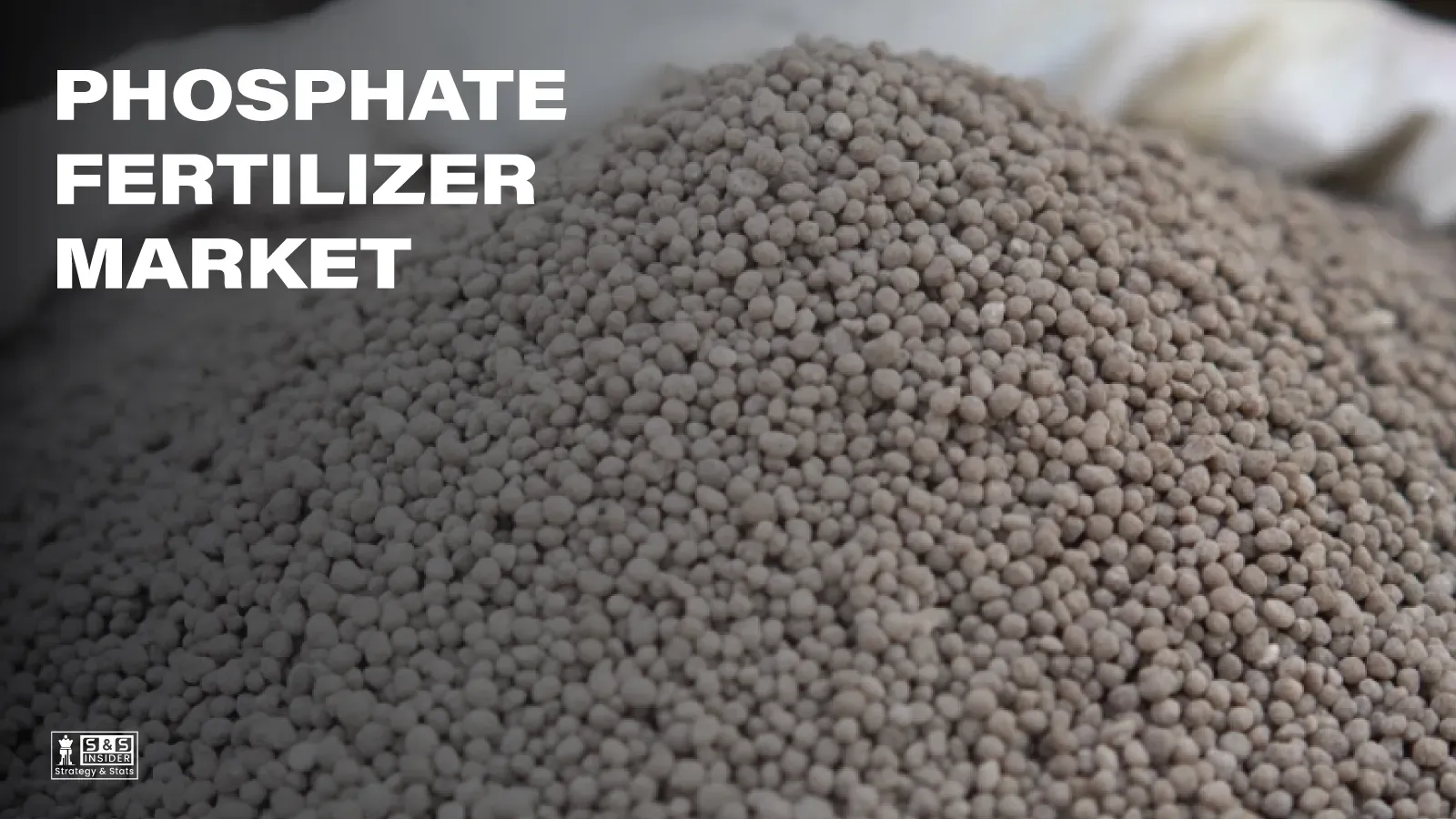
Below are five companies contributing significantly to the development of the global Phosphate Fertilizer Market.
OCP Group

The OCP Group is among the leading phosphate producers in the world and is driven by the availability of rich phosphate rock deposits in Morocco. This corporation has been engaged in the mining and processing of phosphate, production of fertilizers, and their distribution across the globe. The range of fertilizers produced by the OCP Group includes MAP and DAP.
In addition, OCP is involved in investment in the production and expansion of fertilizer capacities due to growing demand for fertilizers all over the world. Thus, the scale of operations and access to the resource base of phosphates constitute one of the key competitive advantages of the OCP Group.
The Mosaic Company

Mosaic Company is one of the biggest producers of phosphates and potash fertilizers for the farmers of both North and South Americas. The range of products includes traditional phosphate fertilizers along with some more sophisticated phosphate fertilizers for enhancing the efficiency of crops.
The technology adopted by Mosaic is capable of combining different nutrients into one fertilizer particle, thus enabling farmers to save on application efforts. MicroEssentials, which are part of Mosaic portfolio, are an example of how new trends emerge in fertilizers, which involve additional nutrients, such as sulfur.
PhosAgro
 PhosAgro is one of the major producers of phosphate fertilizers and offers various kinds of phosphate fertilizers including MAP, DAP, and special fertilizers. The company has achieved considerable success in the global market of fertilizers due to its vertical integration in phosphate fertilizers' production and its advanced processing facilities. The company pays special attention to highly efficient fertilizers that could provide farmers with reliable sources of phosphorus for their cereals, oilseeds, and other crops.
Nutrien Ltd.
 Nutrien is one of the world’s leading companies that provides crop inputs and agricultural solutions, including phosphate fertilizers, which are part of the crop nutrition product range offered by the company. Nutrien's activities include the manufacture, distribution, retail services, and support for farmers in key agricultural markets. Integration into one company of the crop nutrition product range together with agronomical expertise and digital agricultural solutions makes possible for farmers to have access to the full package of the necessary services.
Ma'aden

Ma'aden has grown into a major fertilizer company in the Middle East, thanks to its mining and refining activities in the Kingdom of Saudi Arabia. The company produces phosphates-based fertilizers such as DAP for the domestic and foreign agriculture industry.
The large-scale mining and fertilizer production by the firm have enabled Saudi Arabia to enhance its position in the international phosphate market. In addition, Ma'aden is enjoying the growth in the demand for agricultural nutrients in Asia and Africa and elsewhere, which depend on imports.
Future of the Phosphate Fertilizer Market: Precision Agriculture and Circular Nutrient Management Will Shape Growth
There will be continued growth in the Phosphate Fertilizer Market owing to the rising demand for food globally and the desire by farmers to produce more crops using the small areas of arable land. Some of the approaches that are expected to be critical include precision farming, variable rate application, fertigation, and proper nutrient management in order to minimize wastage of fertilizers and use of phosphates effectively. Specialty fertilizers for premium crops will become increasingly popular, as well as controlled release or coated fertilizer products that will address any environmental issues.
From the standpoint of regions, Asia-Pacific is projected to be an area of significant consumption in view of vast agricultural practices in India, China, and Southeast Asia. North America is projected to experience benefits because of the extensive cultivation of cereals and oilseeds, use of modern technologies in agriculture, and growing need for crop nutrition. Europe is projected to focus on fertilization efficiency and recycling of phosphorus under toughening environmental policies. At the same time, Middle East & Africa are projected to stay relevant owing to the presence of phosphate deposits in Morocco and growing fertilizers' production. Latin America, especially Brazil, is going to generate demand for phosphates by means of soybeans, corns, and sugarcane planting.