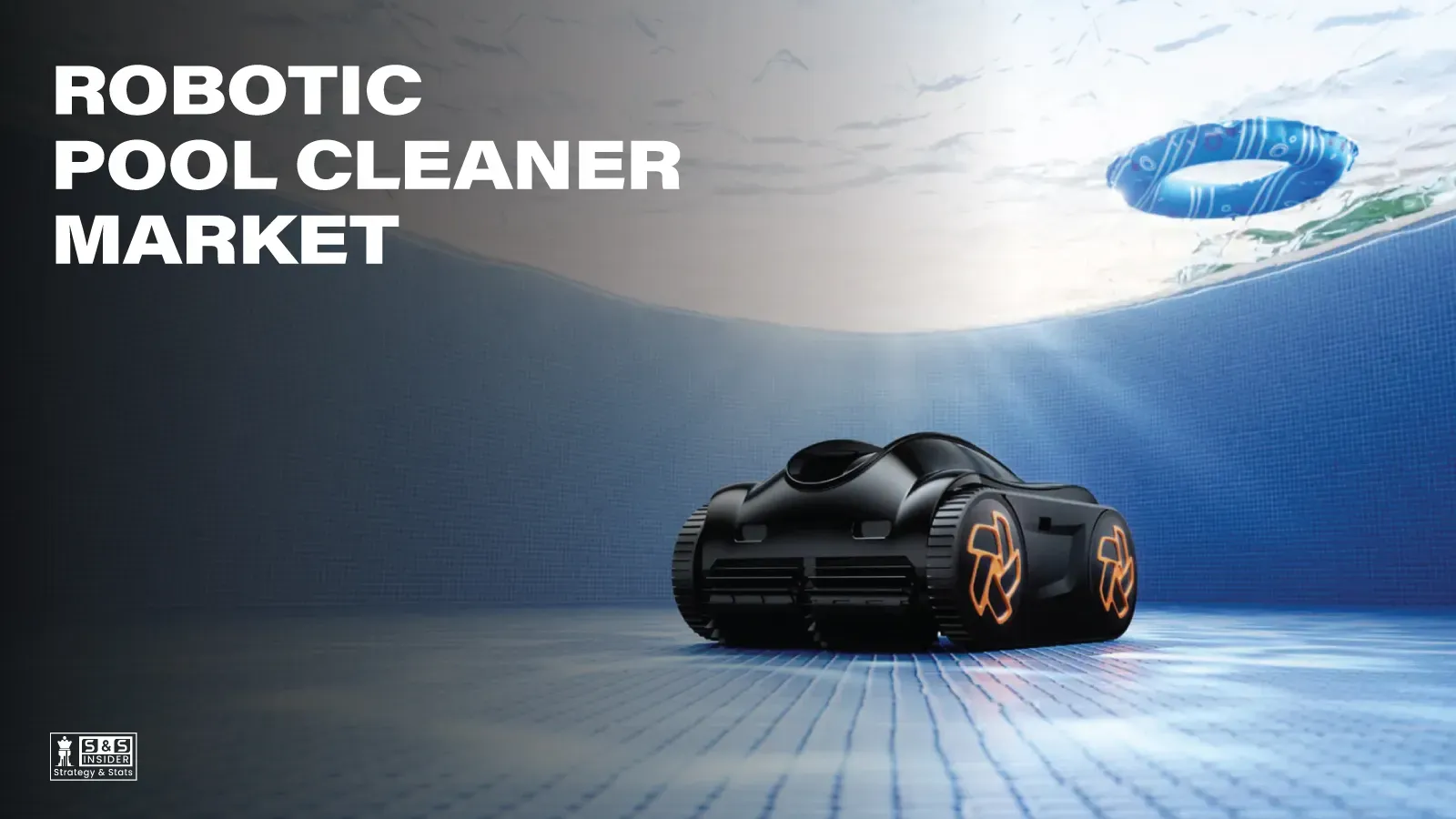
Robotic Pool Cleaner Market is expanding rapidly due to increasing adoption of automated devices among consumer and commercial users that can help in simplifying the pool cleaning process. Robotic cleaners provide the convenience of automated cleaning without the requirement of manual cleaning along with the removal of dirt and debris consistently. Furthermore, technological advancements such as mobile apps, artificial intelligence (AI) technology, and remote monitoring have transformed the pool cleaning process.
Robotic Pool Cleaner Market Size was valued at USD 1.31 Billion in 2023 and is estimated to reach USD 5.18 Billion by 2032, growing at a CAGR of 16.51% during the forecast period, 2024-2032. Factors driving growth include the increased use of smart home appliances, increasing preference for easy cleaning tools, developments in technology such as robotics and artificial intelligence, and growing interest in energy-saving pool cleaning devices.
To Get More Information on Robotic Pool Cleaner Market – Request Free Sample Report
Top Robotic Pool Cleaner Companies
1. Nidec Corporation
 Nidec Corporation is a Japanese firm specializing in electric motors and technologies related to motion. The motor technologies developed by the firm are relevant to automated machinery requiring precise motion and mechanical performance. Robotic pool cleaning machines need small and efficient motor technologies to facilitate propulsion, brush motion, pump operation, and other mechanical processes. Nidec’s proficiency in developing motor technologies and offering precision motion solutions makes its technologies pertinent to the chain of components for automated cleaning machines.
2. Panasonic Corporation
 Panasonic Corporation has a wide range of technical expertise related to electronic components, batteries, sensors and connectivity technologies. The company's diversified technical expertise covers the application of technologies related to electronic control, power management, sensors, automation and connectivity. The technical expertise is applicable to robotic pool cleaner systems that utilize electronic control unit, power components, sensors, battery systems and automation functionalities.
3. Mitsubishi Electric
 Mitsubishi Electric manufactures technologies in the fields of automation, electrical, electronic parts, and industrial controls. Some of the technologies manufactured by Mitsubishi Electric include technologies associated with motors, controllers, power electronics, and automation technologies. These technologies could be used to meet the needs of electronic devices for automated cleaning and other robotic applications. Motor control, power control, and electronic devices are especially critical for autonomous robotic devices where mobility and cleaning should take place.
4. Texas Instruments
 Texas Instruments is an organization that develops semiconductor technologies for analog and embedded processing technologies. The products produced by this company include devices for sensing, power management, motor controls, and embedded systems. Robotic pool cleaners need electronic systems to help them process sensory information, control power usage, drive the motors, and automate the system. The semiconductor technologies from Texas Instruments are capable of providing the necessary electronic structure.
5. BASF
 BASF produces diverse chemical products and performance materials for industrial applications. Some of the materials produced by BASF include engineered plastics and other advanced materials that offer characteristics such as durability, heat resistance, and mechanical properties. In the case of robot pool cleaners, such engineering materials can be used in housing and structural components as well as other components that need to withstand moisture and other operating stresses.
Key Factors Driving Robotic Pool Cleaner Market Growth
One of the most important drivers of market growth is the increasing demand for convenience. The process of pool maintenance may involve considerable time, effort, and labor-intensive work, especially when it comes to larger pools and facilities where cleaning is needed on a more frequent basis. Robotic pool cleaners offer a solution through automation of the cleaning process with minimal intervention of the user.
Moreover, growing adoption of smart home technology is another factor that is driving demand in the market, as users are becoming aware of the smart devices that can be tracked and operated using their smartphone and other digital interfaces. The capability to program cleaning schedules, remote monitoring, receiving alerts, and integrating the system into smart home environments is adding to the growth of robotic pool cleaners’ market.
Advancements in robotics have enhanced the functionality of the robotic systems. The latest robotic units have integrated various features that include the ability to sense the structure of the pool and navigate an appropriate path for cleaning. Such capabilities enhance the cleaning effectiveness of the robotic systems and help in minimizing unnecessary movement. Sustainability is another emerging issue in the design of robotic systems. Consumers and commercial operators are increasingly interested in equipment that can reduce electricity consumption while maintaining effective cleaning performance.
The Road Ahead
The Robotic Pool Cleaner Market is poised for significant growth with respect to the advancements that automation, artificial intelligence, connectivity, and energy efficiency are making in terms of changing practices associated with pool maintenance. Rising demand for easy-to-use, intelligent, and efficient solutions is likely to fuel the development of technology in the market.
Companies that focus on improving the capabilities related to robotic navigation, sensing ability, connectivity, battery life, and multi-surface cleaning are likely to be significant players in the future development of the industry. The merging of smart technologies with automated pool cleaning is anticipated to open up innovative avenues of development, product improvement, increased efficiency in cleaning, convenience for users, and expansion of the market, among others.