
The Self-Checkout System Market is gaining significance as many retailers in the United States are adopting automation, AI, contactless payments, and frictionless shopping technologies. Self-checkout systems that are currently being used by the retailers are allowing them to enhance their transaction speeds, optimize their labor needs, and also give customers flexibility at the checkout process. With the adoption of computer vision, intelligent item recognition, and payment technologies in the AI era, traditional self-service kiosks are becoming more integrated retail solutions.
The self-checkout process has come a long way from simple barcode scanning or weighing technology. In today’s era, self-checkouts make use of many new technologies including computer vision, RFID technology, mobile scan and pay apps, loyalty programs, digital wallets, and even artificial intelligence-based loss prevention. With these features, the retailer can increase checkout speed, decrease the chances of scanning errors, detect any suspicious transactions, and offer a more personalized experience to the customer.
As per SNS Insider, the value of the U.S. Self-Checkout System Market is estimated to be around USD 1.31 billion in 2025 and is expected to be USD 5.01 billion by 2035 with a CAGR of 14.37% between 2026 and 2035. At the global level, the value of the Self-Checkout System Market is USD 5.85 billion in 2025 and expected to be USD 23.03 billion by 2035 with a CAGR of 14.68%. Asia Pacific is estimated to be the fastest growing region, and North America continues to dominate as the biggest market.
Gain Actionable Intelligence on the Self-Checkout System Market - Request a Sample Report
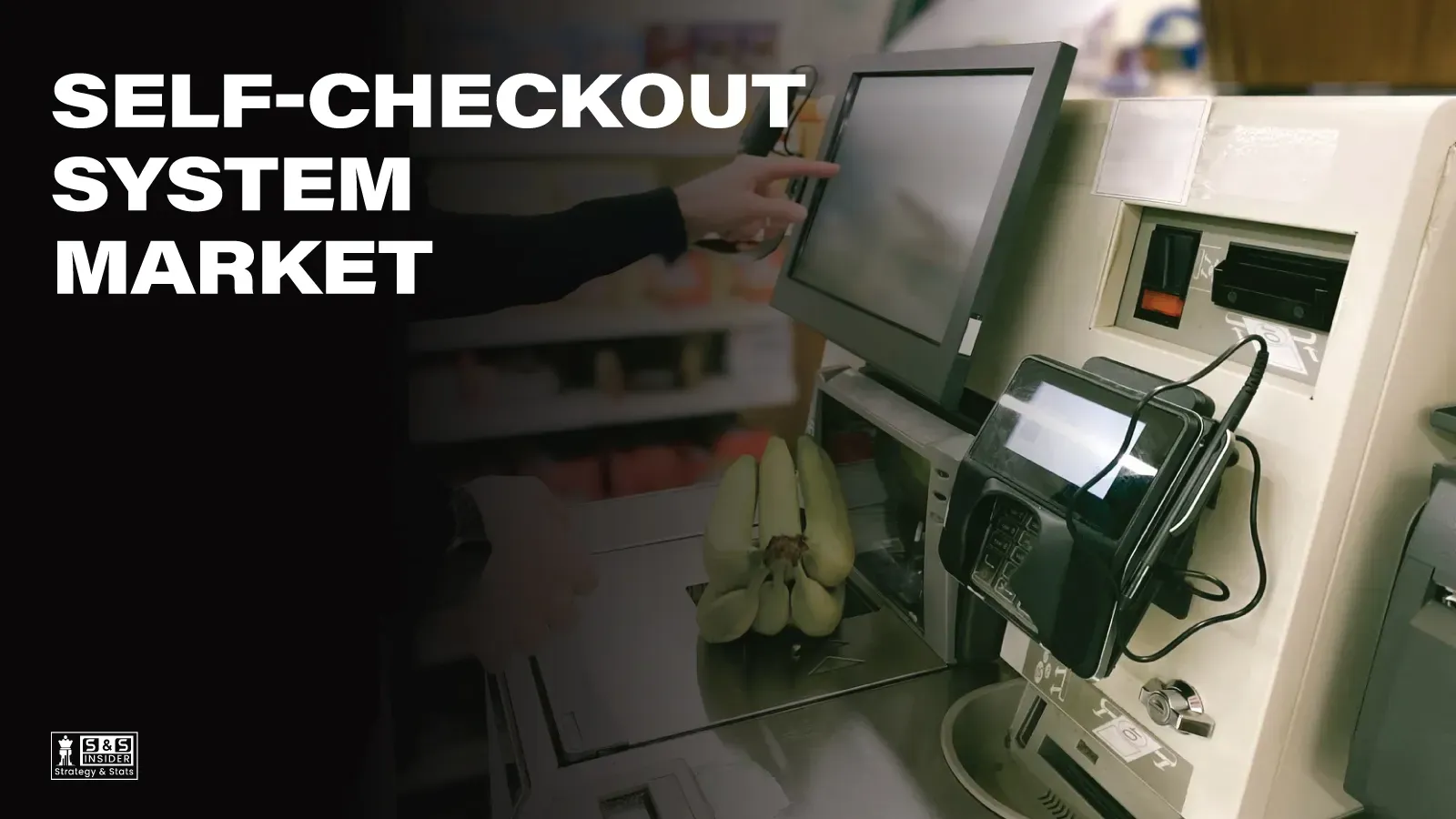
U.S. Self-Checkout System Market Analysis
Even today, the United States continues to be one of the most developed countries when it comes to self-checkout technology, and this is due to its adoption in many areas such as supermarkets, hypermarkets, mass merchandisers, pharmacies, convenience stores, and any other high traffic retail locations. The use of computer vision enabled by AI, touchless payment technology, mobile scan and go technology, and loss prevention technology among others is being adopted in an effort to improve checkout processes and make them more convenient for customers.
The ongoing process of modernization in the U.S. retail industry is providing great chances for future self-checkout systems. Leading companies have decided to improve their existing kiosks by incorporating elements such as artificial intelligence-powered item recognition, intelligent exception management, digital payments, and better user experience. Moreover, there is a growing trend of mobile-based checkout and frictionless retailing in convenience stores, grocery stores, sports arenas, airports, and other places where people spend a lot of time. Due to these factors, the U.S. will be the main region developing and implementing self-checkout systems.
Top 5 Leading Self-Checkout System Companies
1. NCR Voyix Corporation

NCR Voyix is one of the leading suppliers of self-checkout technology solutions in the U.S. retail space. NCR Voyix specializes in the provision of self-checkout equipment and software tailored specifically for high-volume retail spaces. Voyix Self-Checkout by NCR emphasizes intuitive checkouts, operational control, configurability and ongoing technology innovations. In addition, NCR Voyix offers mobile shopping options enabling shoppers to scan products themselves with their mobile devices.
NCR Voyix is enhancing self-checkout solutions through its use of AI and computer vision, as well as its other retail technology solutions. This makes NCR Voyix very relevant in the context of the move towards connected and configurable checkouts in the U.S. retail industry.
2. Diebold Nixdorf, Incorporated
Diebold Nixdorf is a leading provider of self-checkout solutions and retail automation solutions with a strong presence in the U.S. The Vynamic Self-Service solution from Diebold Nixdorf enables the use of stationary self-checkouts, whereas the EASY solution suite from the company helps to configure self-service solutions for various types of retail including groceries, convenience, fuel, and others.
Smart Vision from Diebold Nixdorf is another innovative solution that uses artificial intelligence to detect scan misses, differentiates between scan errors and frauds, and helps to reduce losses. It also has the capability to provide integrated checkout solutions using self-service hardware, software, payments, POS solutions, and managed services solutions from the company.
3. Toshiba Global Commerce Solutions
Toshiba Global Commerce Solutions is one of the recognized companies providing self-checkout system solutions for the U.S. market. The self-checkout solutions offered by the company allow for customizable interfaces, payments, and different retail store layouts and thus enable flexibility for companies operating in the retail market.
The research conducted in the U.S. market points to the company as one of the major players in the industry. The company specializes in developing technologies for the retail commerce sphere, which gives it an advantage over the rivals when facing increased demand for smart checkout solutions.
4. Fujitsu Limited
Fujitsu represents one of the established providers of self-checkout technology featured in the list of top firms mentioned during the analysis of the self-checkout market research carried out in the USA. The firm has a number of retail technology offerings that include self-service systems developed to facilitate the process of self-checkout.
Furthermore, the involvement of Fujitsu in the field of self-checkout technologies can be viewed as a response to the changes in retail industry aimed at creating more connected retail facilities by means of integration of payment systems, retail software, and automated self-checkout procedures.
5. Gilbarco Veeder-Root
Gilbarco Veeder-Root is yet another well-known player in the market for self-checkout systems in the United States and specifically relevant to convenience and fuel retailing. The company’s presence in the field of retail technology and payments infrastructure makes it possible to facilitate automated processes at smaller retail locations where convenience, efficiency and speed matter.
The adoption of self-checkout in the convenience store and fuel markets opens new possibilities for Gilbarco Veeder-Root. With increasing adoption of smaller self-service formats by retailers, integrated payment solutions can be an integral part of future retailing environments.
What the Future of Self-Checkout Technology Holds?
Future developments for self-checkout would rely more on AI technology, computer vision, RFID and frictionless payment technologies. More advanced systems would be able to recognize the items purchased without the need for customers to scan each product themselves, while the AI monitoring system would be able to track missed scans and any suspicious behavior.
Self-checkout solutions powered by mobiles will also keep growing with more and more smartphones playing an integral role in the process of purchasing. Scan and pay services enable users to scan items while shopping, manage their shopping baskets and pay online. RFID technology can additionally speed up the process with the ability to scan several items at once.
The USA is predicted to continue being one of the important places for innovations in self-checkouts because of the necessity to improve store technologies, as well as to take into account the factors of employee productivity, customer satisfaction, and preventing losses. On a global level, development of organized retail, digitization of payments, and automation will ensure the further usage of self-checkouts until 2035.



