The silicone sealants market in the world is growing because there is increased demand for robust, weather-resistant, and high-performing sealants in construction firms, automotive manufacturers, electronics makers, and industries. Silicone sealants are used in glazing, sealing of facades, structural bonding, insulation, automobile assembly, protection of electronics, and high-temperature industrial applications. The flexibility of these sealants, resistance to moisture, stability against UV light, and functionality in wide temperature ranges ensure their continued use in traditional constructions and technological areas.
According to SNS Insider, the Silicone Sealants Market had a value of USD 4.92 billion in 2025 and will have a value of USD 8.85 billion in 2035, experiencing a CAGR of 6.05% from 2026 to 2035. This growth is facilitated by the developments in infrastructure, construction, energy-efficient glazing, manufacture of electric vehicles, and silicone usage in electronics and industries.
Gain Actionable Intelligence on the Silicone Sealants Market – Request a Free Sample Report
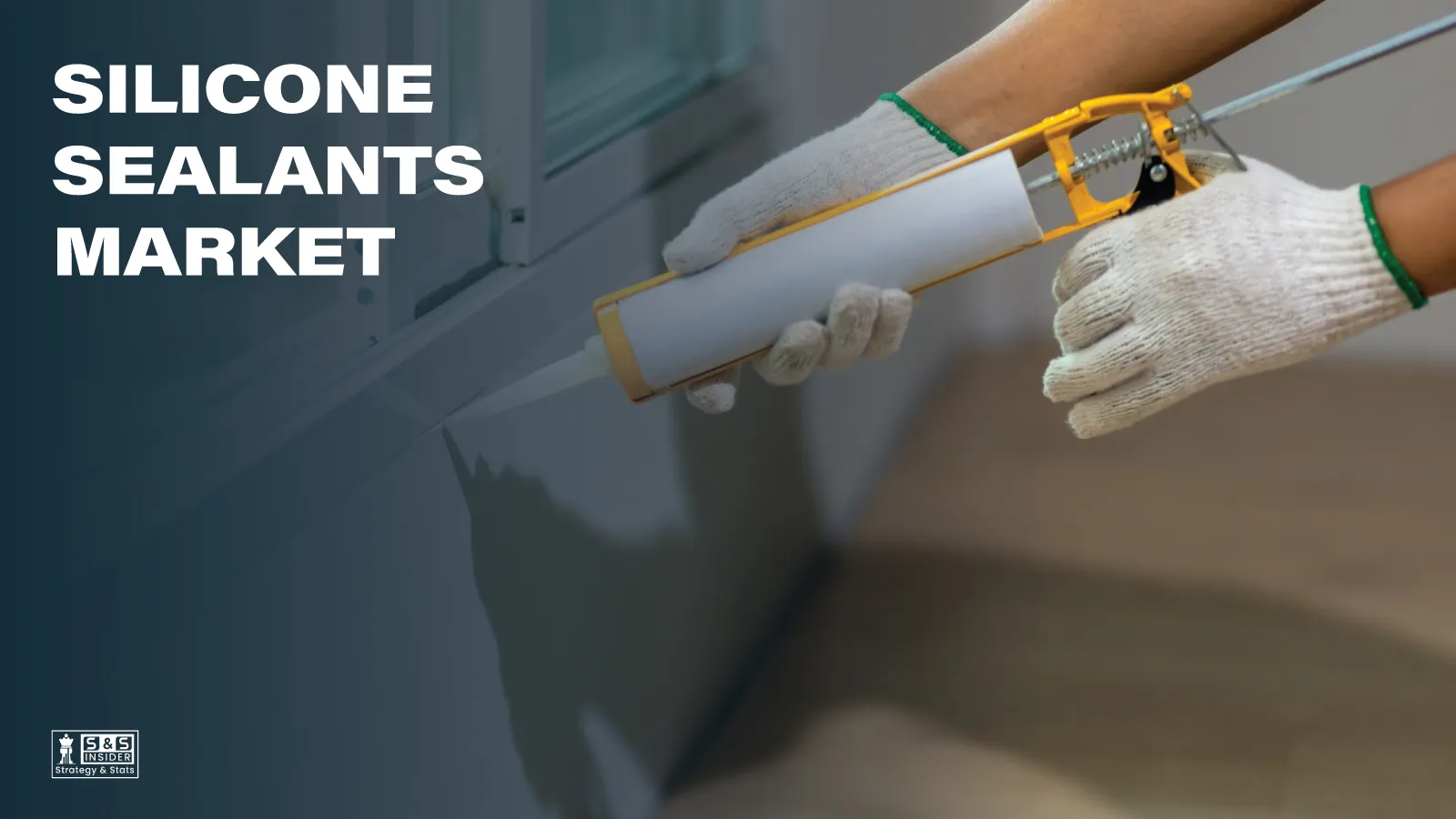
Construction Remains the Core Demand Driver
The construction segment had a share of roughly 50.14% in the year 2025 and emerged as the dominant segment among the application segments. Silicone sealants are widely applied in the process of glazing façades, weatherproofing, expansion joints, window applications, and building envelope applications.
Urbanization, infrastructure development, renovations, and increased demand for robust building materials will further drive their demand in the market. Their capability to withstand harsh environmental conditions such as exposure to the sun and temperature variations will make silicone sealants ideal for constructing modern buildings. The insulating glass segment is projected to be the fastest-growing at an approximate rate of 7.80%.
Neutral-Cure Sealants Maintain Product Leadership
Neutral cure silicones formed around 42.50% of the market revenue in 2025. They can be used on all substrates without adverse reactions because of the non-corrosive nature of their components. In addition, they provide excellent bond to glass, metal, painted surfaces, and many other materials. The heat curing sealants will be increasing at a higher rate due to the need for higher thermal resistance and better bonding in electronic products and automobiles. RTV technology continued to dominate in the technology segment, forming around 55.12% of the market revenue.
Companies Shaping the Global Silicone Sealants Market
Henkel AG & Co. KGaA
 Henkel is one of the leading manufacturers of adhesives and sealants globally, supplying its products to the sectors of construction, automotive, electronics, and industry. Henkel’s line of silicone sealants focuses on longevity, durability, protection from environmental elements, and specialized performance. Henkel released its Loctite AA 5885, an ultraviolet curing gasket sealant for automotive electronics, in April 2025. This release comes as a result of rising demand for precision sealing technology that can withstand advanced electronic devices and vehicle architecture.
Wacker Chemie AG
 Wacker Chemie offers products that incorporate silicone technology and sealants used in various sectors such as construction, automotive, and industry all over the world. They have products formulated to offer elasticity, UV protection sensors, weather resistance, and strong bonding ability. In February 2025, Wacker Chemie launched its new product known as ELASTOSIL eco 7770 P. This is a silicon-based sealant with resource conservation capabilities, formulated for natural stone applications.
Dow Inc.
 Dow is one of the foremost providers of silicone materials in the field of construction, industry, and electronics. It offers its products with the features of flexibility, adhesion, and weather resistance. Silicone technologies from Dow have been widely applied in construction façade, glazing, manufacturing, and harsh industrial environments. In May 2024, Dow India inked a deal with Glass Wall Systems for a carbon-neutral façade utilizing DOWSIL sealants. The partnership showcases the increased use of silicone materials in carbon-neutral constructions and growing need for sustainable high-performance buildings.
Key Challenges and Market Outlook
The problem associated with increased prices relative to alternatives such as acrylic and polyurethane products poses a challenge in the construction and renovation industry. However, the longevity of silicone sealants along with flexibility and weather resistance makes the product worth the money invested in such cases.
By 2035, the global silicone sealant market will be influenced by increasing construction, energy-efficient buildings, electric vehicle production, electronics industry, and industrial developments. Companies that are capable of blending durability, application performance, sustainability, and advanced curing systems will maintain their market position due to the increasing demand for premium sealants.