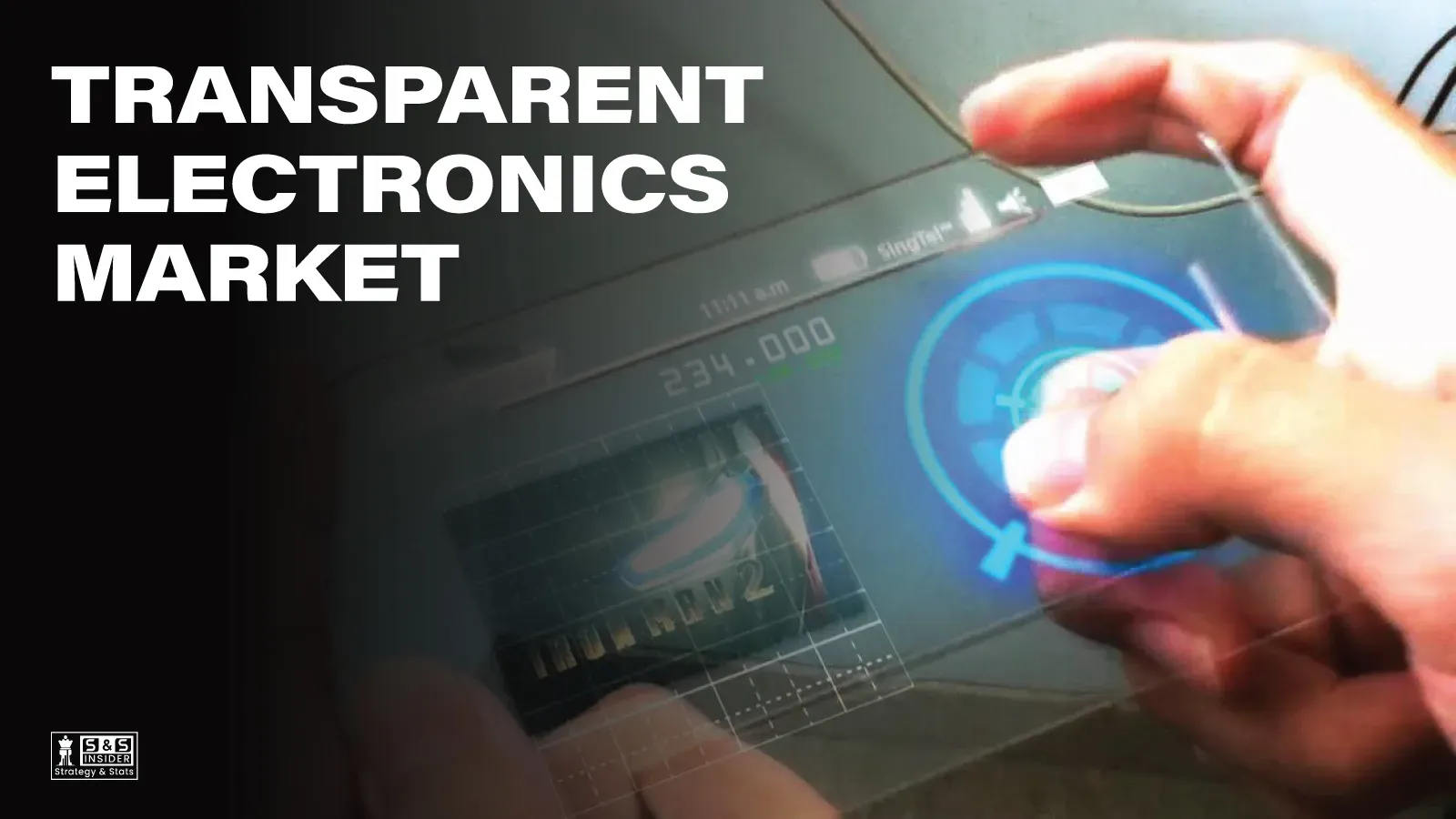
Transparent electronics are revolutionizing the integration of electronics into displays, windows, automobiles, buildings, and consumer goods. Some of the applications of the technology include transparent displays, solar cells, smart windows, transparent conductors, and others forms of electronics that can be embedded into glass and plastic surfaces while minimizing the obstruction to view. This technology has been increasingly receiving commercial success in various fields, which include retail signage, high-end automobiles, augmented reality glasses, smart buildings, and power-producing architecture.
According to SNS Insider, U.S. Transparent Electronics Market is worth about USD 1.64 billion in 2025 and is estimated to reach about USD 4.20 billion by 2035, recording a CAGR of about 9.85% for 2026-2035. In terms of the global market, the Transparent Electronics Market is valued at USD 1.87 billion in 2025 and is projected to reach USD 5.12 billion by 2035, recording a CAGR of 10.59% during the forecast period. Growth is driven by increasing demand for transparent displays, smart windows, transparent solar cells, HUDs, and next-generation consumer electronics.
With the development of transparent conductive oxides, OLED technology, MicroLED technology, and graphene materials, transparency, picture quality, electrical conductivity, and reliability of the products have greatly improved. This innovation is helping transparent electronics shift from niche usage to more commercially viable applications. Particularly, the increasing emphasis on eco-friendly building, electric cars, smart infrastructures, and consumer electronic technology will offer substantial market opportunities to manufacturers.
Gain Actionable Intelligence on Transparent Electronics Market – Request a Free Sample Report
U.S. Transparent Electronics Market Analysis
The United States is considered among the most developed commercial markets in transparent electronics, backed by massive investments in research and development in fields such as displays, smart infrastructure, clean energy, consumer electronics and automotive industry. Technology companies are investing in transparent display designs for use in AR headsets and future smart devices and automobile manufacturers are testing heads-up display and intelligent glass technologies for next-generation electric cars.
In addition, the U.S. market is experiencing the positive effects of further advancements in nanomaterials, transparent conductive films, and display technologies. The increasing government and private sector concern for energy-efficient infrastructure development is promoting the invention of smart windows and integrated photovoltaic technology in buildings. This technology allows buildings to perform multiple functions including visual perception, communication, climate control, and power generaton.
Top 5 Transparent Electronics Companies
1. Samsung Electronics
 Samsung Electronics is one of the world leaders in innovations in display technology, and currently Samsung is investigating the possibility of using the commercial potential of transparent MicroLED technology. Samsung has many years of experience in manufacturing consumer electronics, displays, semiconductor technology, and smart gadgets, making it a very well-positioned player within the developing transparent electronics industry. At Samsung First Look event before CES 2024, Samsung presented the Transparent MICRO LED display. It had shown great advances in terms of transparency and picture quality compared to the previous generations of transparent displays.
2. LG Display
 LG Display is one of the key producers of OLED screens and has made significant advancements in the area of transparent screens. Transparent OLEDs by LG Display are currently being considered for use in various areas that include retail, commercial signs, cars, and premium consumers as it allows the display to be merged with the transparent design of the screen. In December 2024, LG unveiled its first ever transparent and true wireless 4K OLED TV. The new product was a merger of picture quality in 4K resolution and the concept of transparent screens without cables. This innovation indicates that the technology of transparent OLED displays is getting more mature.
3. BOE Technology Group
 BOE Technology Group is one of the prominent display manufacturers globally and possesses strong competencies in OLEDs, LCDs, and other advanced displays. The firm keeps investing in advanced transparent display technology since innovative visual interface technology is gaining increasing importance in consumer electronics, retail sector, automotive sector, and smart infrastructure sectors. In 2025, BOE released its first-ever flagship high-transparency OLED display panel. This display panel was created to set new standards for color accuracy, depth, clarity, and dynamic range in transparent display technology. This clearly shows BOE’s intent to enhance its competency in advanced display manufacturing.
4. Corning Incorporated
 Corning Inc is one of the key players in the transparent electronics ecosystem because of their high-tech specialty glasses. Their materials help in designing products that need optical transparency, resilience, chemical resistance, and precision machining. Transparent and flexible glass technologies are becoming more significant in displays, smart windows, automotive electronics, and future Intelligent electronic devices. With the continued growth of transparent electronics, there will be a need for high-performing glass materials. Corning Inc’s specialty glass technology puts them in a good position to profit from the trend of incorporating transparent technologies in consumer electronics, automobiles, and smart buildings.
5. Sharp Corporation
 Sharp Corporation has long been involved in display technologies and electronic products, giving the company an established presence in areas relevant to transparent electronics. Its experience across LCD technologies, display manufacturing, and advanced electronic systems supports its participation in the development of innovative visual solutions. The increasing adoption of transparent displays in commercial signage, automotive systems, smart retail environments, and connected devices is expected to create opportunities for established display manufacturers such as Sharp. As display technologies continue to evolve toward greater transparency and integration with digital ecosystems, the company's technical capabilities may support future innovation across specialized transparent electronics applications.
What the Future of the Transparent Electronics Market Holds?
The future of the Transparent Electronics Market will be shaped by advances in transparent displays, solar energy, automotive interface, smart buildings, and new materials. The segment of transparent displays occupies the dominant position within the market, making up about 46.6% of its size in 2025; these include displays used in consumer electronics, retail advertising, heads-up display systems, smart wearables, and augmented reality devices.
Transparent solar panels are predicted to be one of the fastest-growing categories of products. Increased interest in green architecture and BIPV opens up possibilities for the conversion of windows, facades and skylights into power-generating surfaces. With increasing focus on energy efficiency in construction and urban planning, transparent PV technology can become one of the vital elements of future smart buildings.
The consumer electronics application segment remained the most dominant one, constituting roughly 36.5% of the revenue share in 2025. Yet, the automotive industry is forecasted to be the fastest-growing one due to the introduction of heads-up displays, smart windows, transparent information systems and advanced driver information technology in electric and luxury cars. Despite the ongoing performance constraints and material obstacles, further progress in transparent conductive oxides, graphene films, OLEDs and MicroLEDs will enhance the effectiveness and robustness of the products. By 2035, transparent electronics are likely to become increasingly integrated into everyday environments, enabling windows, displays, vehicles, and buildings to function simultaneously as visual, digital, and energy-generating platforms.