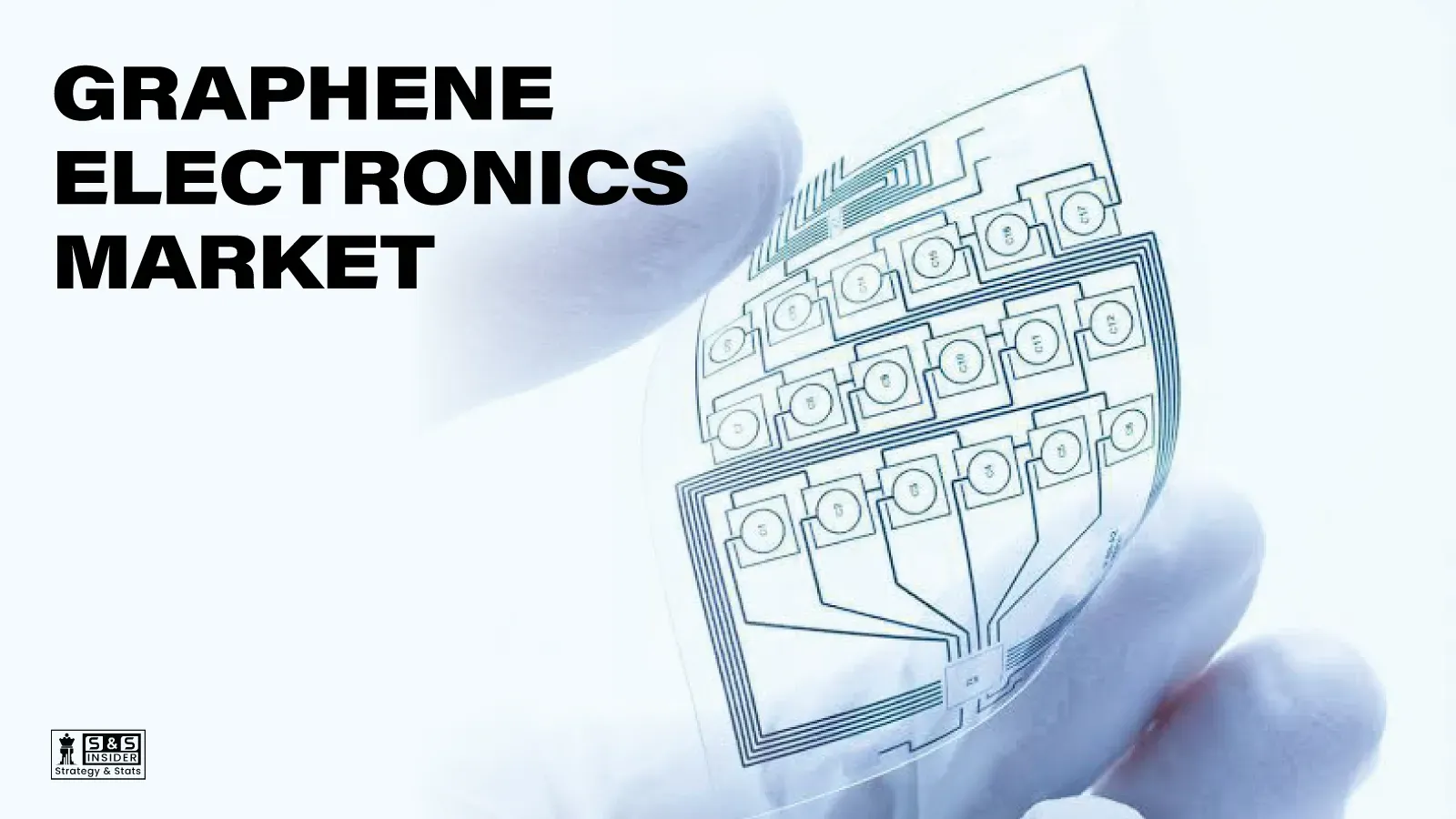
Graphene electronics have revolutionized the future of advanced technology by providing faster, lightweight, flexible and energy-efficient electronic devices. Graphene is basically made up of carbon atoms in a honeycomb pattern. Graphene possesses unique properties such as great conductivity, high strength, high thermal and optical conductivity and flexibility. These properties have helped in the manufacturing of next-generation electronics, such as flexible displays, sensors, energy storage devices, semiconductors and wearable devices.
According to SNS Insider, the U.S. Graphene Electronics Market stood at around USD 288.67 million in 2025 and is expected to reach around USD 3.38 billion in 2035, experiencing a CAGR of around 27.9% during 2026-2035. Globally, the Graphene Electronics Market stood at around USD 943.10 million in 2025 and is forecasted to grow to around USD 11.08 billion in 2035, at a CAGR of 27.99% through 2026-2035. The growth is mainly attributable to the properties, such as high electrical conductivity, high mechanical strength, high thermal stability, high optical transparency, and flexibility, besides increasing demand for flexible electronics, high-end sensors, graphene batteries, semiconductors, and energy storage devices.
Gain Actionable Intelligence on Graphene Electronics Market – Request a Sample Report
U.S. Graphene Electronics Market Analysis
The USA is among the world’s leaders in the graphene electronics industry in terms of commercialization due to its well-developed research facilities, government incentives for funding and the presence of top-tier technology firms. The efforts of IBM Research, Samsung USA R&D, Graphene Frontiers and startup companies are contributing to the development of the graphene innovations sector in the U.S.
The increasing emphasis on the development of new semiconductor technology, flexible electronics, and energy storage methods has led to increased investments in graphene commercialization by firms. The government-funded research programs of DARPA and the Department of Energy are working on projects concerning graphene for electronic devices, batteries, and sensors. Such programs help move graphene technology from laboratory work to its practical application.
Top 5 Graphene Electronics Companies
1. Zeta Energy Corp.
 Zeta Energy is working on energy storage devices using graphene technology, which mainly focuses on the development of lithium-sulfur batteries for use in electric vehicles and stationary energy storage. In April 2024, Zeta Energy collaborated with Log9 Materials for the development of lithium-sulfur battery technologies utilizing graphene technology in order to improve battery efficiency and energy storage. The objective of this collaboration is to optimize future battery technologies through advanced battery properties such as energy density, battery charge, and stability. This collaboration shows the growing significance of the graphene material for electrodes in commercial terms as the EV industry looks for advanced batteries other than lithium-ion batteries.
2. Log9 Materials
 Log9 Materials is a deep technology firm concentrating on next-gen batteries and energy innovations. The firm is involved in the development of next-gen batteries that can be used in electric mobility and energy storage. Through its April 2024 partnership with Zeta Energy, the company is working towards incorporating advanced lithium-sulfur battery materials in battery packs and modules that would provide better range, stability, and cost-effectiveness. This indicates the company’s efforts to hasten the commercialization of graphene batteries.
3. Directa Plus plc
 Directa Plus is one of the most successful graphene companies that produce graphene-based materials for use in industry and consumer goods. Graphene Plus technology platform of the company allows the combination of graphene with fabrics, composite materials, and advanced materials. In June 2023, Directa Plus collaborated with Candiani to develop G+ graphene enhanced fabric using Graphene Plus technology and Kikotex Polymer of Candiani Denim. The graphene-enhanced fabric has antimicrobial and thermoregulation properties, indicating the increasing applications of graphene from electronic to advanced material applications.
4. Tecnalia
 Tecnalia is one of the foremost companies engaged in the research and development in the field of graphene production technology. The company is specialized in the efficiency, safety, and application of advanced materials in production. In 2023, Tecnalia commenced working with Avanzare for the development of digital twin-based monitoring system for the exposure of graphene particles during production processes. The above project will be beneficial to increase safety in the graphene production process through monitoring.
5. Samsung Electronics
 Samsung Electronics is one of the largest companies in the field of technology that is experimenting with the use of graphene in batteries, displays, and high-tech electronics. There have been several studies by Samsung on the use of graphene materials to enhance battery efficiency and fast charging. Samsung’s dominant market position in the fields of consumer electronics and semiconductor manufacturing opens up new prospects for using graphene technology in its future electronics.
What the Future of the Graphene Electronics Market Holds?
The future prospects of the Graphene Electronics Market will depend on the evolution of graphene transistors, flexible displays, energy storage solutions and fabrication processes. The commercialization of graphene transistors continues as researchers showcase the potential of graphene to operate at ultra-high frequencies, offering promising semiconductor technology opportunities for the future. Flexible and wearable electronics will likely become some of the significant growth drivers as manufacturers look for flexible and transparent materials. Graphene electrodes may contribute to developing foldable phones and new displays.
Energy storage will also remain a key growth driver as the usage of electric vehicles and renewable energy increases in various countries. The use of graphene batteries is expected to lead to better battery charging speeds, higher energy density, and more durable batteries, thereby providing ample business prospects for material producers. The Asia Pacific region will see market growth due to electronics and semiconductors production and increased battery manufacturing. On the other hand, North America will remain a dominant region due to its high research and technology commercialization potential.
With the advances made in manufacturing technologies and the reduction in manufacturing costs, it is predicted that the use of graphene in electronics will shift from research to wider market applications. Organizations working on mass production, quality improvement and application-specific graphene will be pivotal in developing advanced electronics.