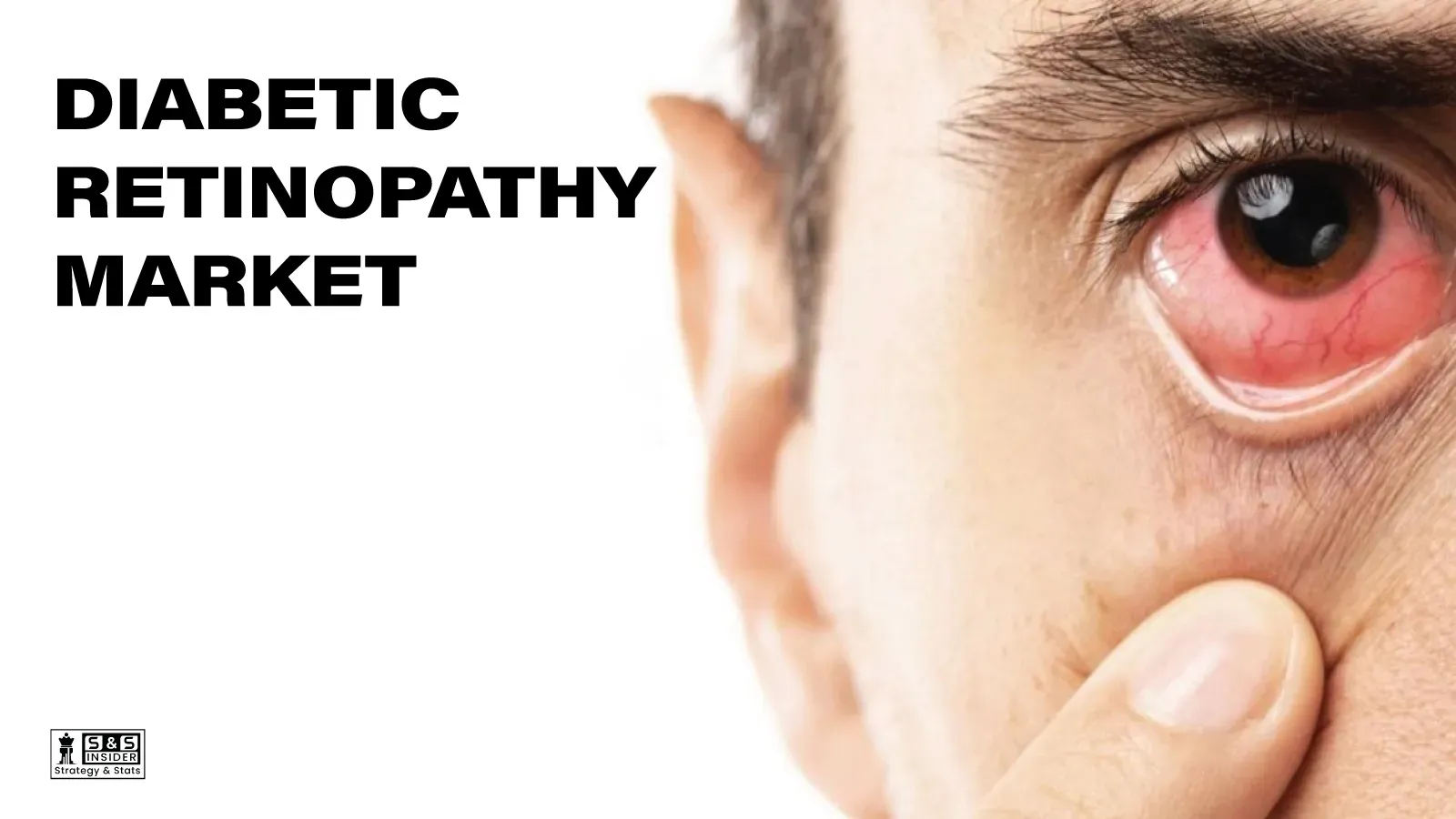
Diabetic retinopathy (DR) has been among the topmost causes of visual impairment amongst adult individuals globally, mainly due to the increase in the rate of diabetes and change in lifestyles. As urbanization, sedentary lifestyles, and poor diets continue to lead to an increase in cases of diabetes, there has been a need for healthcare systems to place emphasis on early diagnosis and treatment of the problem to avoid any further problems. This has led to an increase in the need for new diagnostic equipment, treatment techniques, and eye care facilities. The use of artificial intelligence, optical coherence tomography (OCT), teleophthalmology and personalized therapy has been revolutionizing the diabetic retinopathy sector.
As per SNS Insider, the Diabetic Retinopathy Market was worth USD 9.39 billion in 2024 and is expected to grow to USD 15.48 billion by 2032 with a CAGR of 6.47% in the forecast period of 2025-2032. The growth in the market is supported by factors such as the increasing prevalence of diabetes globally, diabetic retinopathy screening programs, the use of artificial intelligence in retinal imaging and advancements in treatment options.
Gain Actionable Intelligence on the Diabetic Retinopathy Market – Request a Sample Report
Top 4 Leading Companies in the Diabetic Retinopathy Market
1. Regeneron Pharmaceuticals, Inc.
Regeneron is a major innovator in the field of retinal diseases. This company has established itself in the diabetic retinopathy market by introducing an anti-VEGF drug called Eylea (aflibercept). Its research areas include the development of medicines that help preserve vision by reducing the swelling of retina and preventing formation of blood vessels. It works closely with ophthalmologists and other healthcare providers in bringing advanced retinal care to patients as well as making investments in clinical research for future ophthalmic treatments. In February 2025, Regeneron introduced Eylea HD (8 mg) into the U.S. market after receiving FDA approval. The higher dose will allow for longer treatment intervals without compromising efficacy of the drug, and therefore fewer injections are needed. It is another step towards reinforcing Regeneron's position in managing retinal diseases.
Key Strengths
- Industry-leading anti-VEGF portfolio
- Strong ophthalmology research pipeline
- Continuous clinical innovation
- Extensive global commercial presence
2. Eyenuk, Inc.
The firm Eyenuk, Inc. is one of the leaders of the diabetic retinopathy market, offering solutions for screening diabetic eye diseases with the use of the innovative AI technology. It works on the expansion of the availability of early diagnosis services through the use of the autonomous AI-based solutions for the early detection of diabetic retinopathy without the need of further specialist involvement in primary care settings. With such innovative screening solutions, the company makes sure that its customers enjoy faster, more efficient and accessible screening services. In times, when the world is moving forward and adopting innovations in the field of digital health and teleophthalmology solutions, Eyenuk Inc. continues to establish itself in the market by forging more partnerships with clinics, hospitals and other healthcare organizations.
Key Strength:
- AI-powered autonomous diabetic retinopathy screening technology
- Strong focus on early disease detection and preventive eye care
- Expanding adoption in primary care and teleophthalmology programs
- Scalable digital healthcare solutions for improved screening access
3. Bayer AG
Bayer has achieved success in establishing a reputation in the market for diabetic retinopathy through its association in the development of Eylea in different international markets. Bayer has combined its expertise in the field of pharmaceuticals as well as ophthalmology research to help make it easier for patients to receive quality retinal disease treatments. Moreover, Bayer is there to provide assistance with education for physicians and conducting clinical trials. In May 2024, Bayer unveiled new real-world evidence at the Association for Research in Vision and Ophthalmology (ARVO) meeting, which confirmed the efficacy of Eylea among patients with diabetic retinopathy in Asia.
Key Strengths
- Strong global ophthalmology portfolio
- Extensive international market presence
- Active clinical research programs
- Broad physician engagement initiatives
4. Novartis AG
Novartis is continuing its efforts to grow its ophthalmology segment by developing new treatments and investing in retinal disease research. The company concentrates on creating sophisticated treatment solutions that enhance the visual results for the patients who have been diagnosed with a chronic retinal disease. The extensive knowledge of pharmaceuticals and the healthcare system in the whole world allow for providing a wide range of ophthalmological services. Alongside with developing innovative therapies, the company also invests in digital health, supports its patients, and conducts research to improve diagnosis and treatment.
Key Strengths
- Comprehensive ophthalmology expertise
- Global pharmaceutical leadership
- Strong innovation pipeline
- Extensive research collaborations
What is Driving the Future of the Diabetic Retinopathy Market?
The fast advancement in technology has revolutionized the process of diagnosing and treating diabetic retinopathy through enhanced speed, accuracy and accessibility in eye care services. The development of artificial intelligence screening systems is facilitating quick and efficient retinal imaging analysis, whereby the diagnosis time has been cut by 40-50%, while enhancing early detection and screening of the disease in primary healthcare facilities. In industry analysis, the use of AI-based diagnostic systems has increased the speed of diagnosis by 35% and increased the rate of early detection by 28%, thus enabling the identification of the disease in its earlier stages.
The rising incidence of diabetes remains the biggest growth factor in the industry. There are more than 530 million people suffering from diabetes in the world, and around 30–35% develop diabetic retinopathy during the course of their disease. Higher use of anti-VEGF treatments, which generate over 60% of all revenue, as well as teleophthalmology, wearables, and OCT imaging, contributes greatly to better disease management in both developed and developing healthcare settings.
The Road Ahead
Future prospects of the Diabetic Retinopathy Market would revolve around advancements in the realms of artificial intelligence, precision diagnostics, prolonged biological drugs, and increased usage of digital healthcare technology. Improvements in retinal imaging with high resolution, AI-based screening devices, telemedicine, glucose monitors that are wearable, and prolonged drug delivery mechanisms would help in improving the process of diagnosing and managing diabetic retinopathy without the necessity of clinical visits and injections. Furthermore, usage of personalized treatments and remote patient monitoring through digital health technology would help in making interventions more efficient and effective.
Major players such as Regeneron Pharmaceuticals, Eyenuk, Inc., Bayer AG, and Novartis AG have been making huge investments in innovative solutions, diagnostic tools, and research projects to tackle the problem of diabetic eye diseases across the globe. It is anticipated that the technological advancements and efforts by the major players will help improve the competitive position of the market in the future.