
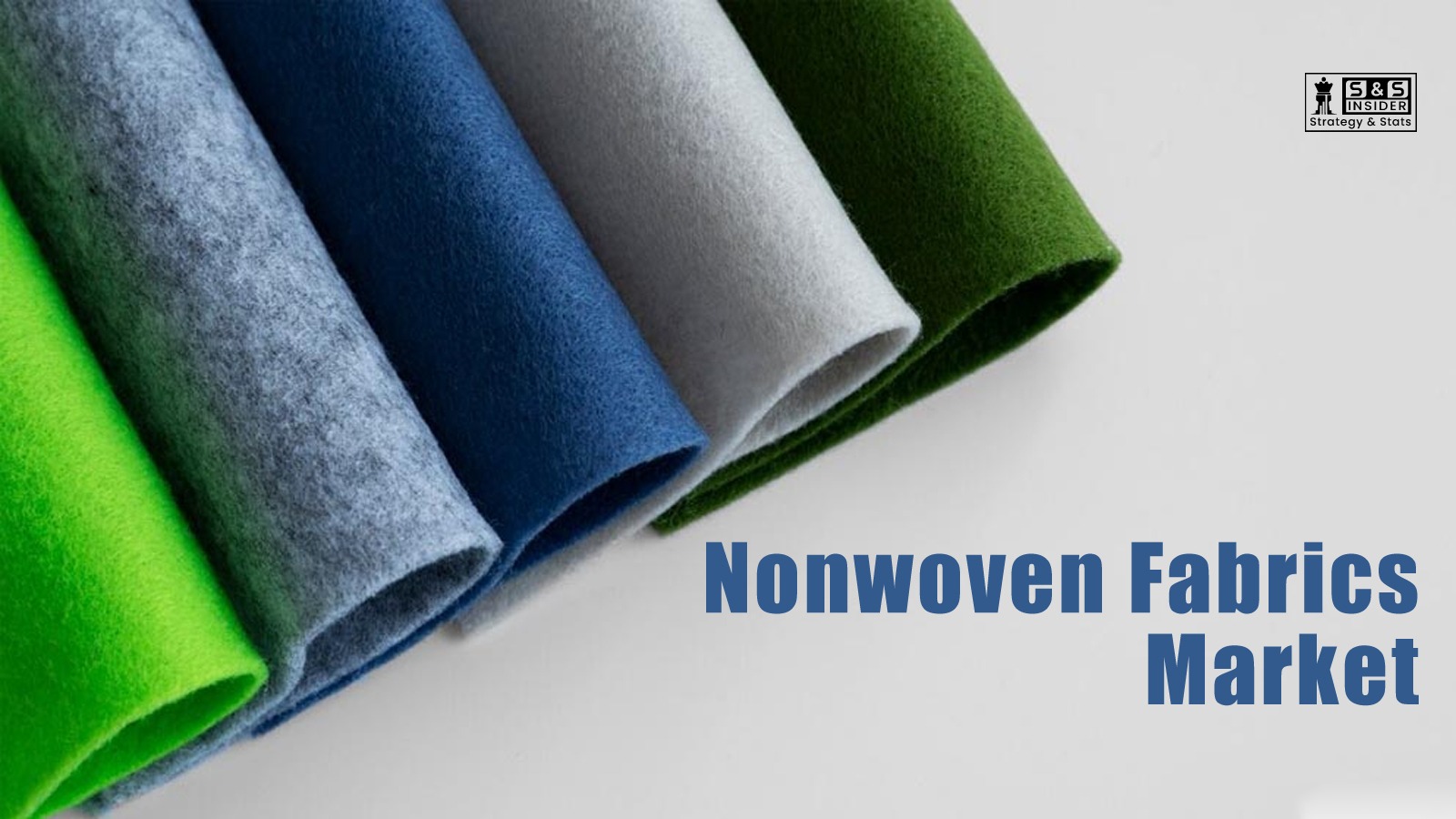
The Nonwoven Fabrics Industry around the globe has grown from being an insignificant section of technical textiles to become one of the most significant raw material markets, which support various industries related to healthcare, hygiene, construction, automobile and manufacturing sectors. Unlike other types of conventional textiles such as woven or knitted fabrics, nonwovens are made through bonding processes that can be mechanical, thermal or chemical.
Increased use of disposable hygiene products, rising healthcare expenditure and fast industrialization have been some of the factors driving the need for better nonwoven solutions globally. Disposable hygiene products include baby diapers, adult incontinence products, surgical gowns, face masks, wipes, filtration media, geotextiles and others.
As per the recent market analysis, the global Nonwoven Fabrics Market was estimated at USD 54.82 billion in 2025 and is expected to reach USD 83.78 billion by 2033, growing at a CAGR of 5.46% during the forecast period of 2026-2033. Healthcare & hygiene is still the largest sector in terms of end use and sustainable materials, and biodegradable nonwovens present new business prospects for manufacturers.
Key Trends Reshaping the Nonwoven Fabrics Industry
There are several structural changes that are defining the future of nonwoven manufacturing. Increased consumer concern for hygiene and sanitation keeps driving the demand for disposable products. Meanwhile, the focus of governments and companies on sustainability drives the innovation towards developing more recyclable and eco-friendly materials.
Another key area where nonwovens play a significant role is the automotive industry that consumes many engineered nonwovens in its interior parts and filters. According to some research in the industry, about 12-14% of global nonwoven production goes to automotive interiors and filtration applications. Moreover, technological developments in such methods as spunbond, meltblown, and airlaid allow producing even more durable and eco-friendly materials.
Top 7 Nonwoven Fabrics Companies Driving Industry Transformation
1. Berry Global Inc.

Berry Global has positioned itself as one of the biggest manufacturers of nonwovens for medical, hygiene, and industrial purposes around the globe. The proficiency of the firm in the spunbond and meltblown technology enables it to provide innovative material for use in diapers, wipes, surgical applications, and filtration devices.
Berry Global has consolidated its position in 2025 by separating its Health, Hygiene & Nonwovens business division from its core operations and integrating the same into Glatfelter.
2. Freudenberg Group
Freudenberg continues to be one of the major innovators when it comes to specialty nonwovens applications for filtration, automotive, building, and healthcare applications. This company has made significant investments in fine-filament spunbond technology aimed at increasing the product’s durability and decreasing the amount of material used.
This trend is illustrated by its latest developments in PET, PE, and PP fine-filaments.
3. TWE Group

The TWE Group provides tailor-made nonwovens for interior automotive components, industrial filtering, bedding and hygiene applications. The distinguishing feature of this company is that it produces nonwovens with very specific properties meant for tough technical conditions.
Development of its digital Product Finder has helped increase the accessibility of application-oriented nonwoven solutions for customers.
4. Ahlstrom‑Munksjö Oyj

Ahlstrom-Munksjö has earned its good name in filtration, medical textiles, food packaging, and industrial nonwovens. This portfolio relies on sustainability of fiber technology and eco-friendly manufacturing processes.
The company keeps increasing investment in the development of renewable and degradable materials to reduce dependence on fossil-fuel-based polymers.
5. Kimberly‑Clark Corporation

Renowned around the world for consumer hygiene products, Kimberly-Clark is also a leading buyer and innovator of advanced nonwovens. The experience that Kimberly-Clark holds in developing absorbent hygiene products adds considerable weight in innovations related to softness, comfort, and fluid management systems.
Increased consumer demand for luxury hygiene products has further solidified its market position.
6. DuPont

Industrial protective wear has been revolutionized by DuPont with their innovations in nonwovens technology. The company’s materials find extensive use in protective clothing, cleanrooms, and medical device packaging applications.
Its strong emphasis on material science makes DuPont a key player in future nonwoven product development.
7. Toray Industries, Inc.
Toray has been an important supplier of engineered nonwovens for automotive, filtration, and industrial sectors. Toray uses innovative polymers to manufacture lighter products that will ensure efficient energy use and sustainable practices.
Their increasing focus on recycled products and sustainable production is inline with new sustainability regulations around the world.
The Future of Nonwoven Fabrics
In the next ten years, there will be a lot of changes in the industry of nonwovens because of sustainability becoming the major buying consideration for governments, companies, and people. Biodegradable plastics, PET fibers that are recyclable, and bio-based materials will become common substitutes for materials based on oil.
Besides, automation and advanced manufacturing techniques will increase efficiency and reduce waste in supply chains all over the world. The healthcare sector will continue being the leader, but construction, filtration, electric cars, and industries are expected to have the highest growth rates. With the growing demands on light, strong, and sustainable materials, nonwoven fabrics will continue playing an essential role in the future of manufacturing.



