
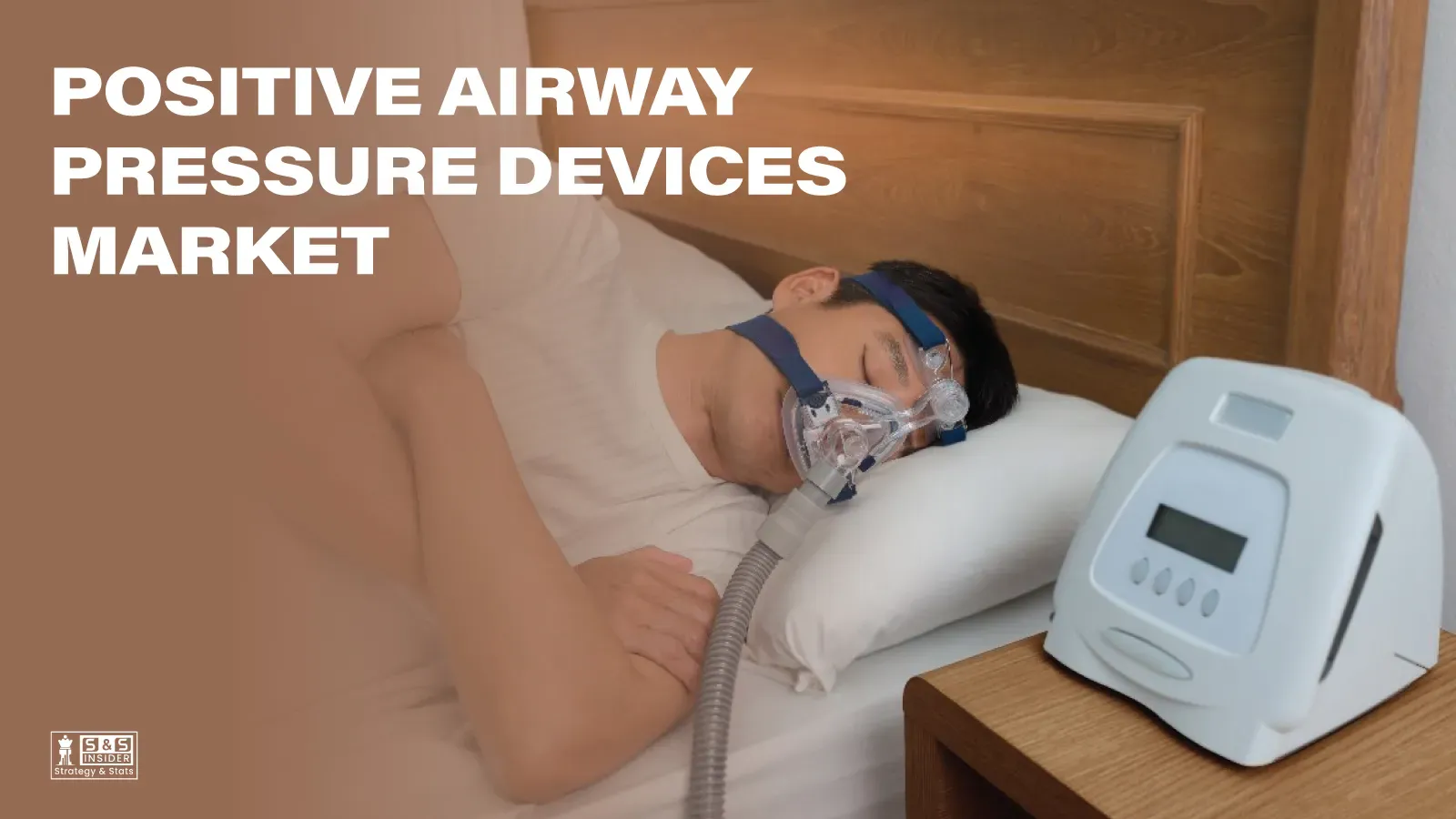
There has been a growing importance of the Positive Airway Pressure Devices Market due to the increasing prevalence of obstructive sleep apnea (OSA) around the world. Factors such as obesity, smoking, consumption of alcohol and sedentary lifestyle can cause increased chances of airway obstructions, which affect both sleep patterns and health. The CPAP, APAP, and BiPAP devices help in providing respiratory assistance for sleep-related disorders in a non-invasive manner.
According to SNS Insider, the Positive Airway Pressure Devices Market Size was estimated to be worth USD 3.21 Billion in 2024 and is expected to grow to USD 4.89 Billion by 2032, registering a CAGR of 5.42% from 2025 to 2032. Factors driving growth in the Positive Airway Pressure Devices Market include increased awareness about sleep apnea, advancements in diagnostic technologies, rising incidences of obesity and increasing adoption of PAP therapy at home.
Gain Actionable Intelligence on Positive Airway Pressure Devices Market – Request a Sample Report
Top 3 Positive Airway Pressure Devices Companies
1. ResMed Inc.
 ResMed Inc. is one of the major players in the positive airway pressure devices industry. It provides patients with CPAP machines, APAP machines, and many others. Moreover, its product range is based on the combination of respiratory therapy and digital health products that provide the monitoring of the therapy efficacy and enhance adherence. ResMed's dominance in the field of home sleep care has allowed the company to strengthen its positions in the international PAP devices industry. In March 2025, the company introduced the new product, AirSense 11 AutoSet Elite. This product allows providing personalized CPAP therapy and real-time monitoring.
2. Philips Respironics
 Phillips Respironics is one of the leading suppliers of sleep and respiratory devices, supplying positive airway pressure devices aimed at helping patients suffering from sleep apnea and other respiratory disorders. The main aim of the firm is to enhance the comfort, efficiency, and usability of the devices via advanced sleep therapy and ventilation technologies. The increase in demand for connected PAP devices and home respiratory therapies is creating room for Phillips Respironics to further boost its product portfolio. The rise in the importance of remote monitoring and personalized therapy has made companies develop such patient-friendly devices.
3. Fisher & Paykel Healthcare Corporation
 Another participant in the global market for PAP devices is the Fisher & Paykel Healthcare Company, which offers a line of products aimed at the management of sleep apnea problems and providing a more comfortable treatment experience for patients. The company’s technologies involve effective management of air flow, humidification, and user-friendly design, thus solving typical problems related to long-term use of PAP technology. In February 2025, Fisher & Paykel introduced the NextGen SleepStyle CPAP that provides auto-adjustable humidification and pressure relief with an easy-to-use design.
What is Driving the Future of the Positive Airway Pressure Devices Market?
Increased awareness and better diagnosis of sleep disorders is among the strongest drivers of the positive airway pressure device market. Increased awareness about sleep apnea and the association of the condition with various health risks such as cardiovascular diseases, metabolic diseases, and excessive daytime fatigue has led to increased interest in seeking diagnosis and treatment. The development of home sleep testings and other advancements in sleep monitoring and digital health technology helps the healthcare professionals diagnose previously unknown cases of sleep disorders. Obesity prevalence is one of the major driving factors as well. Obesity is associated with an increased risk of airway obstruction while sleeping, and, hence, increases the need for management of OSA among obese individuals.
As per product, Continuous Positive Airway Pressure had the largest market share of 65.70% in 2024. CPAP continues to remain the most common and effective treatment of obstructive sleep apnea due to its effectiveness, wide acceptability in the clinical settings and long-term home usage. Bi-level Positive Airway Pressure will be the fastest growing product segment with a CAGR of 6.10%. BiPAP provides varying air pressures while inhaling and exhaling, making it useful for complicated cases such as COPD and respiratory failure.
Application-wise, obstructive sleep apnea was the highest revenue generator with 76.64% in 2024. Obstructive Sleep Apnea segment’s leadership is due to its vast affected population along with the increase in obese people, physical inactivity, and improvement in diagnoses. Chronic obstructive pulmonary disease (COPD) is anticipated to grow at the fastest rate among all the application segments due to the increased prevalence of chronic respiratory diseases globally.
The hospitals & clinics segment led the end-users' segment with a market share of 72.30% in 2024. Such facilities are instrumental in the conduct of sleep studies, diagnosis, acute respiratory management, and starting of PAP therapy. On the other hand, the home care segment is projected to witness the highest growth rate as patients are more inclined towards convenient long-term treatment outside healthcare institutions.
The Road Ahead
Positive Airway Pressure Devices Market in the future will be influenced by the developments in connected health care, personalized treatments, patient comfort, and the shift towards home care for respiratory disorders. Technology advancements such as the integration of digital coaching, monitoring, pressure regulation, and remote communication capabilities are being used in PAP devices by manufacturers. The technology will make it easier for healthcare providers to detect issues related to adherence on time and patients to understand their treatment progress. Mask technology, humidity control, noise control, and automated pressure regulation advancements are also predicted to positively impact the experience of patients.
Greater awareness of sleep apnea as a crucial chronic disorder will lead to increased diagnosis and treatment. The advancement in at-home sleep studies, telemedicine consultations, and remote patient monitoring will allow for better accessibility of PAP devices to patients who used to have problems receiving specialized care. On the other hand, greater healthcare spending and higher rates of obesity and chronic lung diseases will keep demand for PAP devices high. Firms that specialize in comfortable, smart, affordable, and medically effective products will be able to take advantage of opportunities in the changing market of positive airway pressure devices.



