
The Positron Emission Tomography (PET) Scan Market has been on the rise because there is an uptake of molecular imaging technology for diagnosis and treatment assessment of diseases. The PET scan has come to be recognized as one of the most effective ways through which detailed knowledge can be gathered regarding the metabolic and physiological changes within a patient. This makes the use of PET imaging extremely necessary for detecting complicated medical conditions, assessing treatment efficacy, and precision medication programs.
The rise in the prevalence rate of cancer, heart-related conditions, and brain disorders is among the factors that have been fueling the need for PET imaging technologies across the world. Medical facilities are resorting to using PET-CT and PET-MRI machines to increase the chances of accurate diagnosis, disease stage determination, and proper treatment plans. Preventive healthcare, advancements in diagnosis technology, and increased health spending are boosting market growth.
The Positron Emission Tomography Scan Market was valued at USD 1.86 billion in 2025 and is expected to reach USD 2.81 billion by 2035, growing at a CAGR of 4.26% from 2026–2035.
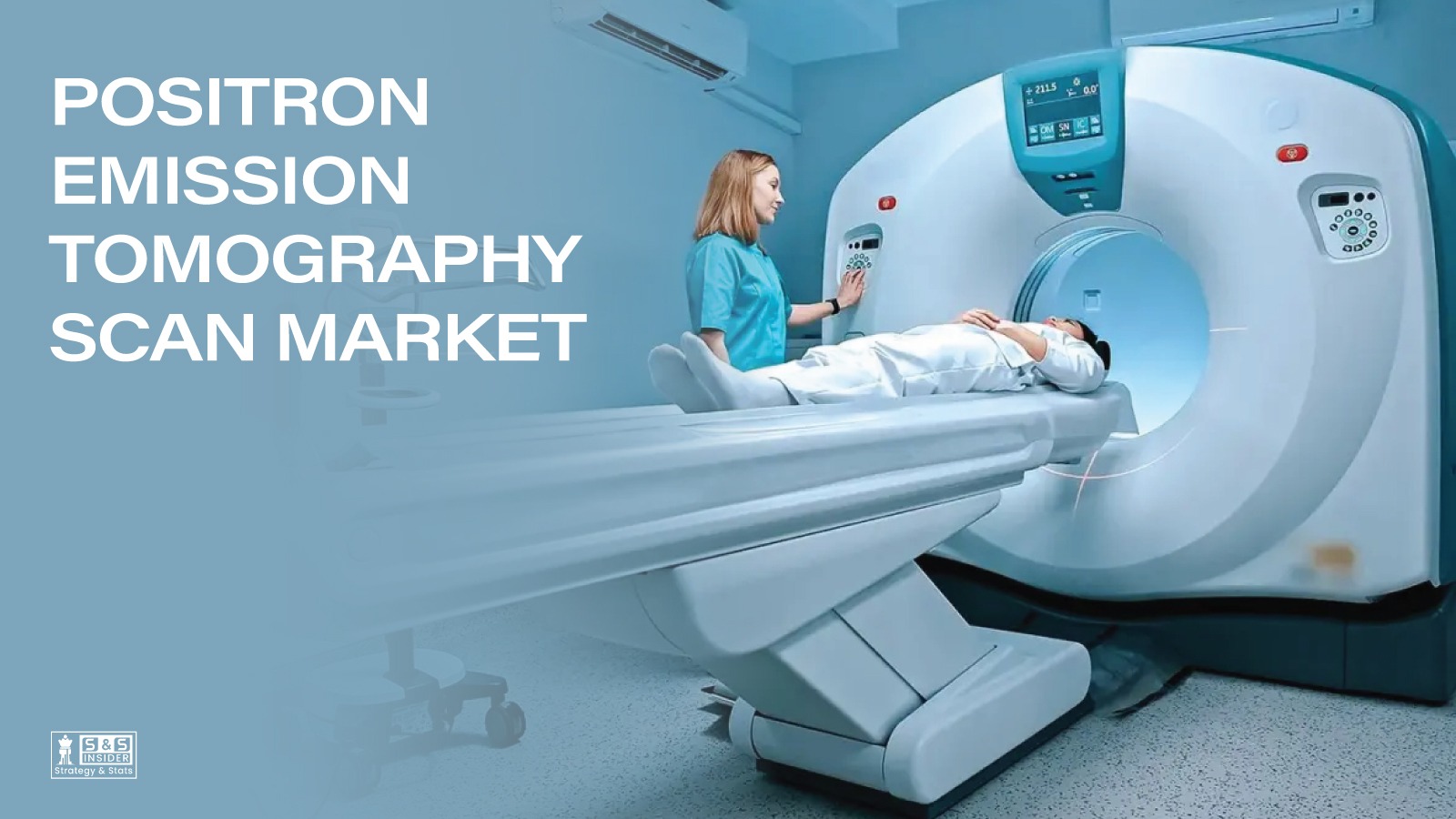
Key Players:
The leading companies operating in the Positron Emission Tomography Scan Market include GE HealthCare, Siemens Healthineers, and Philips Healthcare.
Strategic Developments & Industry Innovations:
-
More healthcare facilities are turning towards PET-CT and PET-MRI technology for better diagnostics and an improved approach for managing diseases effectively.
-
Because of developments in molecular imaging technology, there have been improvements in terms of image quality, scanning efficiency, and decision-making abilities.
-
There is now more focus on early disease detection, personalized medicine, and preventive healthcare practices. This is resulting in increased use of PET in oncology, cardiology, and neurology.
Leading Companies in the Global Positron Emission Tomography Scan Industry
1. GE HealthCare: Advancing Molecular Imaging and Precision Diagnostics
 GE HealthCare is among the major companies producing medical imaging devices and diagnostic solutions. It manufactures sophisticated PET imaging devices that aid in detecting diseases at an early stage, formulating treatment plans, and monitoring patients. This company provides innovative integrated imaging devices that facilitate more accurate diagnosis and effective workflow process for clinicians. Recently, GE HealthCare has concentrated on innovation of advanced molecular imaging technologies that can ensure better image quality, efficiency, and better results for patients.
2. Siemens Healthineers: Expanding Innovation in Advanced Diagnostic Imaging
 Siemens Healthineers produces various imaging technologies such as PET devices which are utilized in the diagnosis of oncology, cardiology, and neurology. The organization's innovative approach helps it maintain a strong position in the market for diagnostic imaging devices. Siemens Healthineers has been developing advanced imaging technologies to improve the diagnostic accuracy and optimize health care workflow processes.
3. Philips Healthcare: Strengthening Precision Imaging and Patient-Centered Care
 Philips Healthcare designs highly advanced imaging technologies to enable more precise diagnosis and personalized medicine practices for patients. For instance, the PET technology offered by Philips is beneficial for helping clinicians understand the extent of the disease and the effectiveness of the medical intervention provided. At Philips, the integration of imaging techniques and digital health technologies is viewed as essential for ensuring positive results. In recent years, Philips Healthcare has been focusing on improving its molecular imaging technologies and digital health offerings.
Data-Backed Trends Guiding Future Business Opportunities:
A very important factor that influences the market development of PET scans is the increasing occurrence of cancer cases around the world. PET scanning plays an essential role in the diagnosis and treatment process because this imaging method allows detecting and treating tumors effectively. As cancer prevention campaigns gain momentum around the globe, one can predict a constant rise in demand for PET imaging technology.
Another influential trend is related to the increased usage of PET imaging in cardiovascular and neurological applications. Health facilities utilize molecular imaging technologies not only for detecting tumors but also for diagnosing heart conditions and brain disorders. This trend creates additional incentives for the growth of imaging equipment market.
It is important to note that the market gains benefits from growing healthcare spending, aging demographics, and increasing awareness of the importance of prevention in healthcare. Therefore, there is a growing demand for imaging solutions including PET-CT and PET-MRI technologies among other types.
Future of Disease Diagnosis Powered by PET Imaging Innovation:
The market for Positron Emission Tomography Scan is forecasted to grow steadily in the coming years due to healthcare facilities investing in sophisticated imaging equipment. Factors driving market growth will include high demands for efficient disease diagnosis, accurate patient treatment, and monitoring.
With improvements in technology involving imaging equipment, development of new radiotracers, AI assistance in the image interpretation process, and advanced integrated diagnostic systems, the future of PET imaging looks promising. Leading companies involved in the innovative processes include GE HealthCare, Siemens Healthineers, and Philips Healthcare among others.
Considering the shift toward precision medicine, preventive medicine, and early intervention, PET imaging is expected to be used in the future.



