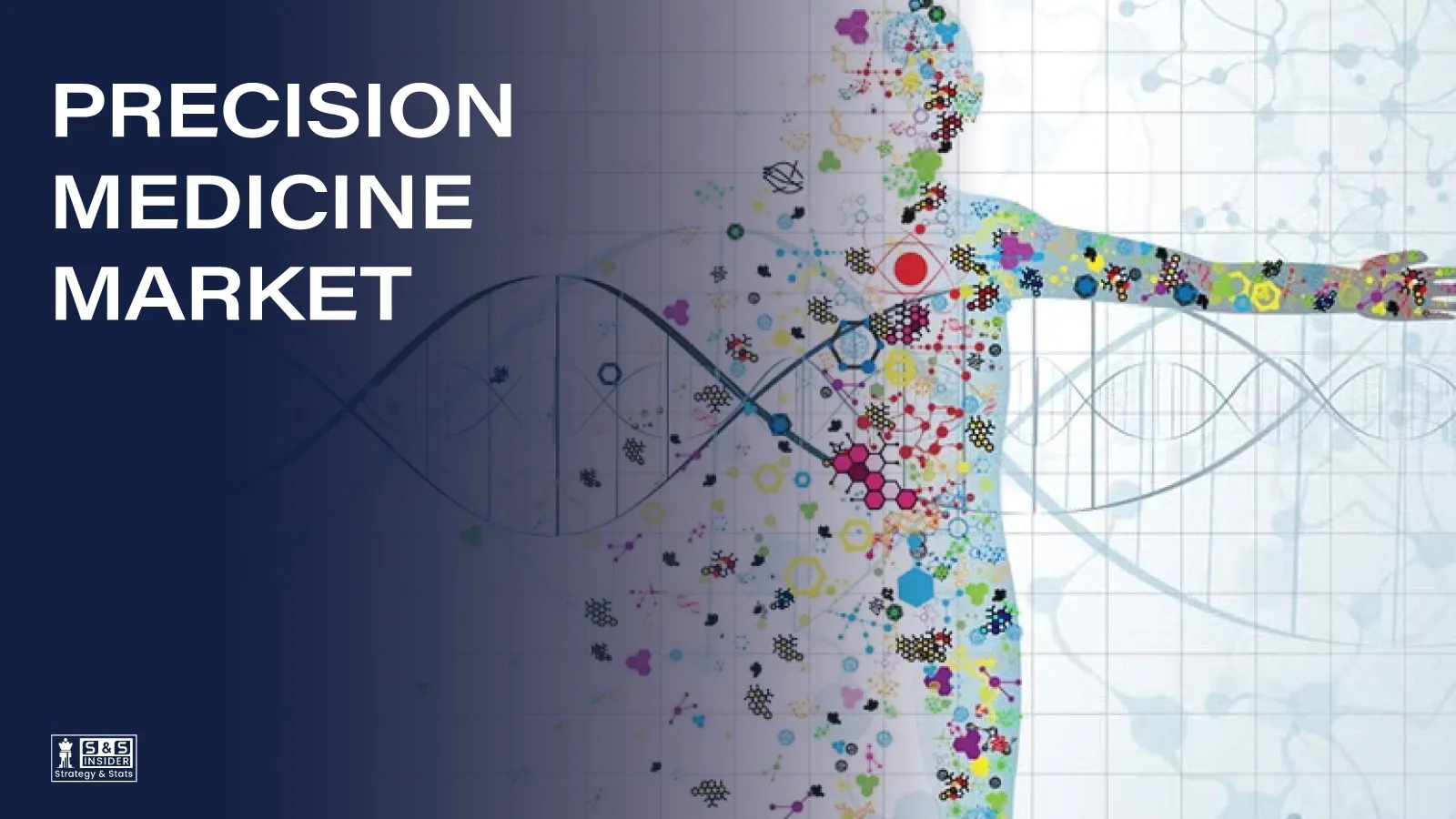
Precision medicine is transforming modern healthcare by allowing for treatments tailored to a person’s own genes, lifestyle and disease characteristics. The fast-moving fields of genomic sequencing, artificial intelligence, molecular diagnostics, and targeted therapies are shifting healthcare from a generalised approach to treatment to a more personalised one. With the increasing rate of cancer, rare genetic disorders and chronic diseases, healthcare providers and pharmaceutical companies are spending more resources in the field of precision medicine technologies to improve patient outcomes.
The market for Precision Medicine was valued at USD 118.69 billion in 2025 and is expected to reach USD 544.26 billion by 2035, expanding at a CAGR of 16.45% during the forecast period. The increasing adoption of genomic medicine, targeted therapies, AI-assisted diagnostics, and companion diagnostics still fuel the strong market growth across the globe.
One of the most important trends shaping the industry is the convergence of artificial intelligence with genomic sequencing and big data analytics, enabling clinicians to provide faster diagnoses, more accurate treatment selection and highly personalised patient care.
Below are five companies leading innovation and transformation across the global Precision Medicine ecosystem.
1. Illumina
 Illumina is a global leader in precision medicine with its advanced next generation sequencing (NGS) technologies. The company’s sequencing platforms enable genomic testing for oncology, rare diseases, reproductive health and population genomics. Illumina has become a critical partner to hospitals, research institutions and pharmaceutical companies developing personalised therapies due to ongoing innovation in sequencing accuracy, speed and cost. Its leadership is further strengthened by its commitment to companion diagnostics and genomic research.
2. Thermo Fisher Scientific
 Thermo Fisher Scientific offers a broad portfolio of genomic services analysis tools, molecular diagnostics, lab solutions and precision medicine technology. The company provides advanced sequencing technology, AI-enabled analytical tools and biomarker discovery platforms to pharmaceutical companies, research groups and healthcare institutions. Its strategic alliances with biotech companies and healthcare institutes continue to add to its role in personalised healthcare and targeted therapy development.
3. Roche
 Roche is one of the world’s leading firms in precision medicine, integrating targeted therapies and enhanced companion diagnostics. The company’s integrated methodology helps clinicians select medicines based on genomic traits, notably in oncology and uncommon disorders. Roche’s global foothold in precision medicine continues to be strengthened by further investments in molecular diagnostics, genomic testing and personalised treatment development.
4. Pfizer
 Pfizer has also continued to build its precision medicine capabilities through investments in targeted medicines, biomarker-driven drug development and genomic research. The company is adding precision diagnostics to its clinical development programmes to improve the therapeutic efficacy in oncology, rare diseases and immunology. It has also built strategic collaborations with diagnostic companies and research universities to support its efforts in personalised medicine.
5. Novartis
 Novartis we are leading the way in the precision medicine revolution, using our knowledge to develop targeted cancer treatment, gene therapies and personalised treatment regimes. The company applies genetic research, biomarker discovery and AI based drug discovery to create novel therapeutics for complicated illnesses. “We need to invest more in precision diagnostics and clinical research to be competitive in this growing healthcare business.
What Is Driving the Future of the Precision Medicine Industry?
Globally, the main driver of precision medicine is the increasing use of genomic sequencing and targeted therapies. The increasing incidence of cancer, cardiovascular diseases and rare genetic disorders has accelerated the demand for personalised treatment strategies to achieve better clinical outcomes while reducing unnecessary therapies. Genomic testing is increasingly being used by health care providers as a routine part of clinical practice to help make more accurate diagnoses and develop individual treatment plans.
Artificial intelligence is increasingly becoming a part of precision medicine, allowing for the faster interpretation of complex genomic datasets and aiding clinical decision-making. AI-powered diagnostics, predictive analytics, wearable health devices and real-time patient monitoring are helping to deliver more precise treatment and more personalised care from physicians. Continued progress in next-generation sequencing and CRISPR technologies continues to open up more possibilities in research and clinical applications.
North America is expected to continue to dominate the precision medicine market on regional basis due to high investments in genomic research, developed healthcare infrastructure and high penetration of personalised therapies. At the same time, Asia Pacific is projected to witness the highest growth rate, driven by government healthcare initiatives, growing genomic testing programmes, rising clinical trials and increasing investments in biotechnology and precision diagnostics.
The Road Ahead
The future of precision medicine will be driven by advances in genomics, artificial intelligence, molecular diagnostics and personalised therapeutics. The next generation of patient care will be driven by companies investing in next-generation sequencing technologies, biomarker discovery, AI-driven healthcare platforms, and companion diagnostics. As precision medicine becomes further integrated into mainstream healthcare, it will continue to transform how disease is diagnosed, how treatment is chosen and how patients fare long-term, across the globe.