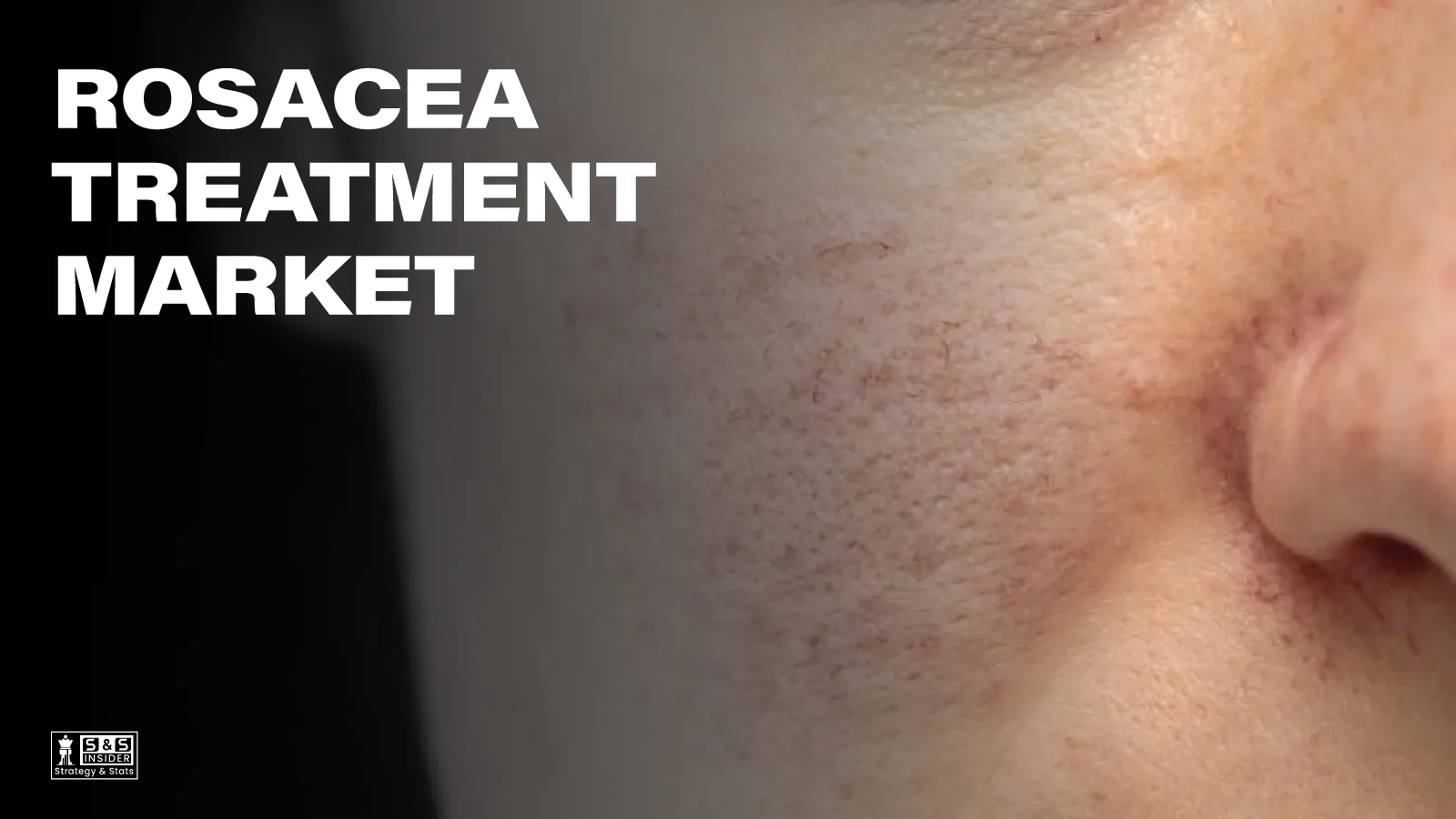
U.S. Rosacea Treatment Market is expanding as dermatologists and pharma firms increasingly offer solutions to deal with redness, inflammation, and other symptoms in the skin caused by rosacea. This disease occurs in five percent of the world’s population, the majority of whom are aged twenty-five to thirty-nine years. Increased recognition of rosacea as a medical, not purely cosmetic problem, is driving the growth of the number of patients.
According to SNS Insider, the United States Rosacea Treatment Market was valued at USD 0.697 Billion in 2025 and is expected to reach USD 1.376 Billion by 2035, growing at a CAGR of 7.03% from 2026 to 2035. This builds on the broader global Rosacea Treatment Market, valued at USD 2.28 Billion in 2025 and projected to reach USD 4.40 Billion by 2035 at a CAGR of 6.78%due to Growth is being supported by expanding dermatologist availability, strong healthcare reimbursement infrastructure, and a growing pipeline of targeted redness- and lesion-specific therapies moving through clinical development
To Get more information On Rosacea Treatment Market - Request Free Sample Report
Why the U.S. Leads North American Demand
The United States still leads in the North American market owing to higher accessibility of rosacea treatment options, high pipeline development of investigational drugs, government support, and collaborative activities for better disease management. Increased awareness about dermatology as an area of health care, along with increased availability of diagnosis options, further bolsters treatment adoption in the region.
The North American region accounted for the highest market share in 2025, at about 41.85%. The contribution of the U.S. in this was approximately 83.30%. It is due to the presence of many pharmaceutical companies specialized in dermatology and advanced healthcare reimbursement systems in the country.
Segment Trends Shaping the U.S. Market
The antibiotics segment captured approximately 54.66% of the total market revenue in 2025 and will continue to be the trusted first-line treatment for both the inflammatory and infectious aspects of rosacea. The alpha-adrenergic agonists will be the fastest-growing drugs due to their unique vasoconstricting properties that will help treat the facial redness caused by rosacea.
Topical application was the largest type in terms of segmentation in this market due to its direct application nature for treating redness, bumps, and inflammation without any systemic absorption. Lasers have become the fastest-growing type because of increased preference for treatments addressing visible blood vessels and redness that cannot be controlled through topicals or oral treatments.
Companies Driving Innovation in the U.S. Market
1. Galderma
 Galderma’s efforts towards enhancing its range of products for dermatology and rosacea treatments continued into 2025, thus cementing its place among the top global firms that develop and market medications for chronic skin inflammation ailments such as rosacea. With more Americans opting for both relief from their symptoms and long-term chronic disease management, Galderma’s expanded range allows the company to cover a variety of severities and preferences of patients from dermatology clinics and specialty pharmacies.
2. Aclaris Therapeutics
 Aclaris Therapeutics made additional progress on its pipeline of rosacea treatments in 2025, thus enhancing its standing within American biopharmaceutical firms working on developing dermatology solutions to treat chronic skin diseases. The firm's continuous pipeline development is indicative of the general tendency in the U.S. to develop specific and mechanism-based rosacea drugs in contrast to old antibiotics-based drugs.
3. Journey Medical Corporation
Journey Medical Corporation continued to grow its dermatology-based product offerings in 2025, as it continued developing products for patients looking for ways to effectively treat their rosacea symptoms. Continued development of dermatology-based products by Journey Medical is an illustration of the wider trend within the United States to develop targeted medical solutions for various health conditions, allowing doctors to offer more tailored products for each patient's unique rosacea type.
Some of the companies already operating in the USA are AbbVie, Bausch Health, Sol-Gel Technologies, Pfizer, and VYNE Therapeutics.
Market Dynamics
Higher rates of disease occurrence and increasing demand for aesthetic dermatology will continue to drive the market growth, helped by growing healthcare facilities and increasing awareness of skin conditions among the general populace. The recurring nature of rosacea and the lack of a permanent cure for it still pose barriers to treatment compliance, along with the problem of underdiagnosis caused by considering facial redness a cosmetic issue.
A substantial amount of potential is still present in curative treatments that will allow firms to bypass symptom relief and address the underlying causes. Expansion in telehealth-enabled dermatology consultations will also create increasing possibilities for distribution.
The Future of the U.S. Rosacea Treatment Market
U.S. market forecast indicates consistent growth up to 2035 because of increasing availability of dermatologists, clinical pipelines of drugs designed specifically for treating redness, and increased use of digital health solutions for diagnosis and compliance with treatment. Companies focusing on innovations in mechanisms of action, lasers, and procedures, as well as telehealth solutions, will benefit most from growth in U.S. dermatology treatment market.