
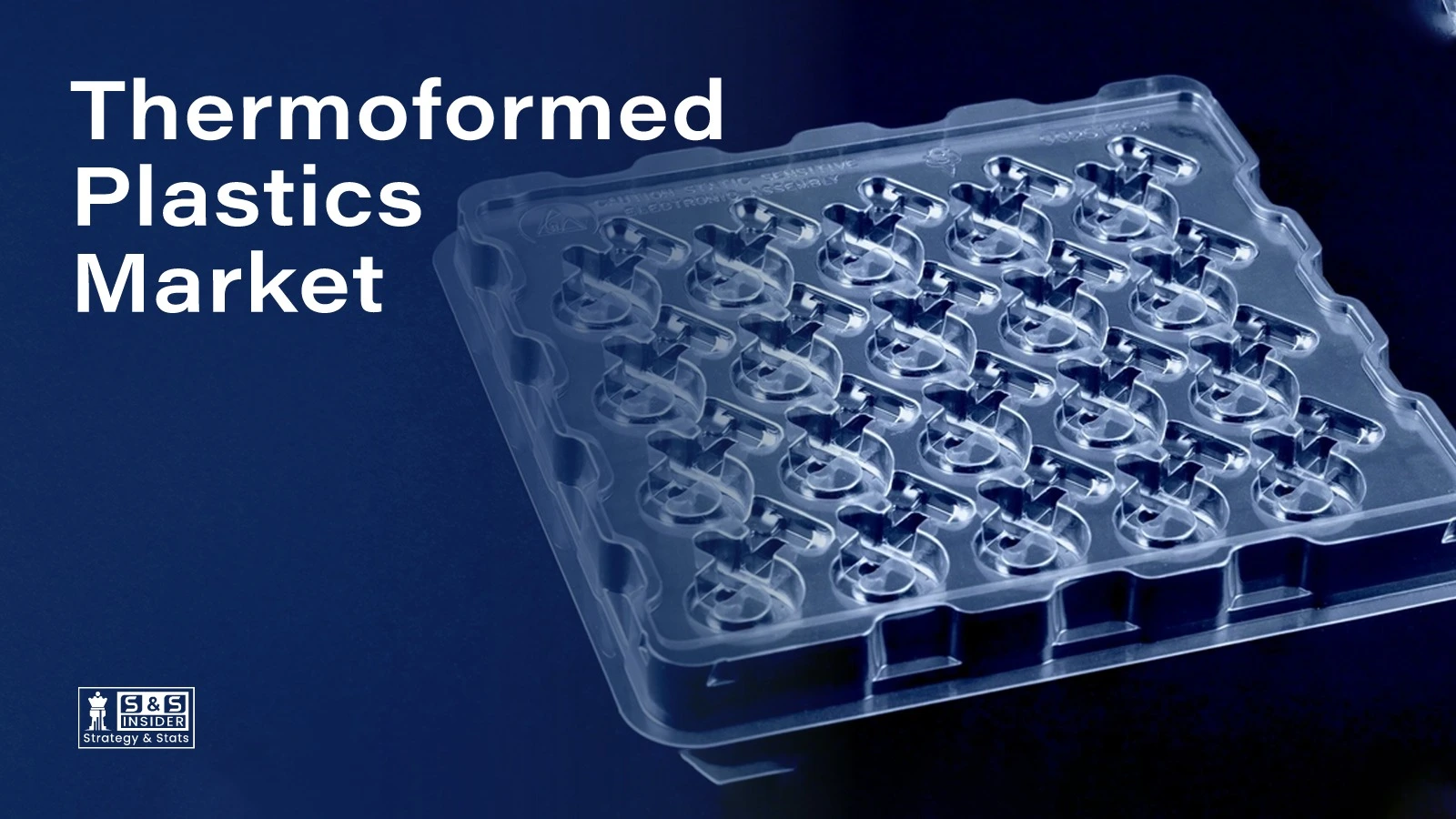
Thermoform plastic manufacturing technology has developed from being just another manufacturing technology to becoming one of the most significant technologies used in today’s packaging, medical, automobile and consumer goods industries. Thermoforming allows manufacturing companies to convert plastic materials into lightweight and strong parts through the use of heat and pressure; therefore, the process provides an efficient alternative to conventional molding processes in mass and custom production.
Currently, there is a trend towards using thermoform plastic technologies owing to the benefits associated with it including cost effectiveness, design freedom, fast production and optimized material usage.
Environmental consciousness is another factor driving change within the industry environment. More companies are investing in recycled materials, bio-based polymers, and closed-loop systems as part of their sustainability plans and regulatory compliance. Consequently, thermoforming is increasingly moving beyond the traditional packaging sector into advanced manufacturing systems.
The global Thermoformed Plastics Market size was valued at USD 15.16 billion in 2025, and is expected to grow to USD 22.83 billion by 2035, witnessing a CAGR of 4.18% between 2026 and 2035. Increasing demand for lighter packaging, more use cases in the health care sector, and developments in automation technologies are contributing to market growth.
Major Trends Reshaping the Thermoformed Plastics Industry
Several transformative trends are influencing the future of thermoformed plastics manufacturing:
-
The use of post-consumer recycled and biodegradable thermoplastics for food and consumer packaging.
-
The increasing use of automated thermoforming machines for increased efficiency and reduced dependency on labor.
-
The development of high-barrier packaging systems that help in improving food safety and shelf-life.
-
The growing requirement for lightweight automotive parts that increase the efficiency and support the electrification of automobiles.
-
The development of twin sheet and plug assist forming technology for structural industrial purposes.
-
The collaboration between raw material manufacturers and packaging providers to develop more recyclable and low carbon-emission packaging solutions.
The healthcare industry also holds significant potential for growth, especially in the field of sterile medical packaging, diagnostic device trays, and custom surgical instrument protection systems.
Leading Thermoformed Plastics Companies Transforming the Industry
1. Pactiv Evergreen Inc.
 Pactiv Evergreen is a renowned provider of thermoformed packaging solutions for foods across the globe. The company’s product lineup is vast and comprises thermoformed food packaging, trays, containers, foodservice packaging, and other solutions that are used by retailers, restaurants, and grocery stores. As part of its ongoing sustainability efforts, Pactiv Evergreen keeps improving its offering of compostable and recyclable packaging solutions. Noteworthy developments include the company’s efforts to increase production of plant-based food trays.
2. Sealed Air Corporation
 Sealed Air is a major player in the industry in terms of protecting and food packaging technologies. Sealed Air’s thermoformed packaging technology is extensively applied for packaging fresh meat, fish, and ready-to-eat food requiring shelf life extension. Sealed Air has invested significantly in vacuum skin packaging technology that provides high visibility of the food products while reducing food waste. Automated and digital packaging technologies are also of great interest to Sealed Air.
3. Berry Global Group, Inc.
 Berry Global boasts one of the largest ranges of rigid thermoformed packaging offerings in the market targeting food, beverages, healthcare and industrial applications. Some of its sustainability activities include the increase in recycled polypropylene and polyethylene resins in various packaging formats. The company remains committed to helping brands meet their sustainability goals.
4. Amcor plc
 Innovations in packaging made from recyclable materials for use by consumer packaged goods companies are one of Amcor’s major strengths. The firm is particularly interested in developing mono-material packaging which is easier to recycle while not sacrificing barrier properties. The lightweight packaging solutions developed by Amcor help its customers decrease their material usage.
5. Sonoco Products Company
 Sonoco’s business activities cover industrial and consumer packaging products, with increasing focus on sustainable thermoforming packaging solutions. There is diversification of the firm’s product line into medical packaging and thermal sensitive pharmaceutical uses that will capitalize on the rising demands for healthcare around the globe.
6. Huhtamaki Oyj
 Thermoforming techniques are a field of expertise for Huhtamaki as they manufacture food packaging and disposable consumer goods. Fiber and plastic materials capable of contributing towards achieving circular economy goals remain among the priorities of their product development efforts.
7. Dart Container Corporation
 Dart Container Corporation is known for its broad range of foodservice packaging products such as cups, containers, and packaging solutions. The company’s production process involves efficiency in production, quality of the product, and utilization of recycled material in high volume packaging uses.
Regional Growth Outlook
North America presently holds the position of the biggest market for thermoformed plastics owing to robust demand from food packaging, healthcare industry, and automobile manufacturing industry. Regulations supporting the use of recycled content in packaging and development of local infrastructure to recycle packaging materials will help the market grow.
Asia Pacific region is projected to show the highest growth rate in the next decade owing to rapid industrialization, rising consumption of packaged food items and growing capacities of automobile manufacturing in countries like China and India.
Europe too is an important market for thermoformed plastics owing to stringent regulations for sustainability and recyclability of packaging materials.
The Future of Thermoformed Plastics
Sustainability, automation, and innovation in material use are key features of the future of thermoforming. Developments in recycled plastics, digital technologies in manufacturing, AI-driven process improvement, and advanced barrier materials may play a crucial role in changing the nature of product development and manufacturing efficiency.
In the case where light-weighting, decreased carbon footprint, and closed-loop manufacturing processes will continue to be important for many sectors, thermoformed plastics are set to retain their importance.



