The market for anti-snoring devices in the United States is expanding owing to increased awareness regarding sleep health, higher prevalence rates of sleep apnea and chronic snoring, and preference for less invasive and more convenient treatment methods. Anti-snoring devices including mandibular advancement devices, tongue stabilizing devices, nasal devices, and other sleep therapy devices are becoming popular among people who want convenient ways of treating snoring and sleep breathing disorders. Advancements in technology have made it easier for people to use these devices with greater convenience and adherence.
According to SNS Insider, the U.S. Anti-snoring Devices Market in 2025 stood at USD 0.30 billion and it is anticipated to attain USD 0.69 billion by 2035 at a CAGR of 8.74% from 2026 to 2035. At the global level, the valuation of the U.S. Anti-snoring Devices Market stood at USD 1.08 billion in 2025 and it is forecasted to touch USD 2.57 billion by 2035 at a CAGR of 9.06%. The factors behind the growth of the U.S. Anti-snoring Devices Market include rising awareness about sleep apnea, obesity, aging population, and consumer preference towards non-invasive and at-home treatment methods.
Gain Actionable Intelligence on this Market – Request a Free Sample Report
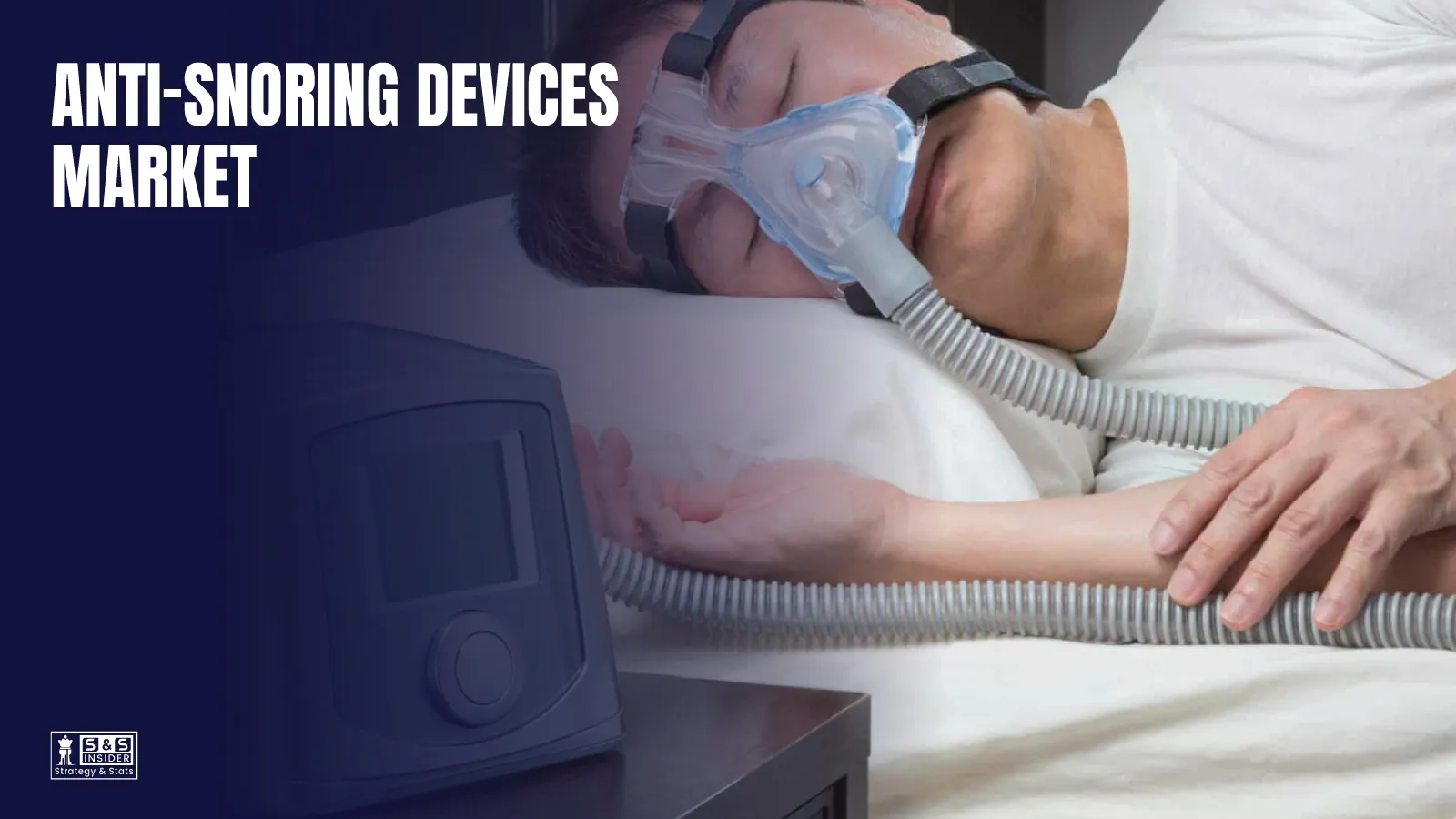
Growing Sleep Health Awareness and Home-Based Solutions Are Shaping U.S. Anti-snoring Demand
North America took the lead among other regions by accounting for 38.00% of total market share owing to high awareness related to sleep disorders, advanced healthcare facilities, and high adoption of oral and nasal devices. The emergence of U.S. as a dominant player is driven by increasing preference for convenient and non-invasive ways of dealing with snoring and sleep apnea. Increasing prevalence of obstructive sleep apnea, easy availability of both prescription and over-the-counter solutions, and presence of leading manufacturers contribute to regional leadership.
Mandibular Advancement Devices (MADs) comprised approximately 42.5% of the product type and held the position of leader due to high effectiveness in repositioning the lower jaw to ensure airways remain open during sleep. Faster growing tongue stabilizing devices are driven by consumer preference for non-invasive treatment of snoring problems, especially for those that could not use MADs. The thermoplastic category was responsible for about 38.9% of total material segment owing to low costs and customizability of materials and Silicone is the fastest growing material segment owing to its patient friendliness and biocompatibility.
Specialty Sleep Clinics contributed around 36.7% to the distribution channel segment owing to its ability to offer expert fitting, diagnosis, and treatment for snoring and mild obstructive sleep apnea. Online Stores have experienced faster growth owing to convenience, privacy, accessibility, and increased adoption of e-commerce. Homecare Settings contributed around 41.3% to the end-user segment due to growing consumer preference for do-it-yourself snoring treatments from the comfort of their own homes, whereas Sleep Laboratories remain the fastest-growing end-user segment.
Companies Supporting U.S. Anti-snoring Device Adoption
ResMed Inc.
 ResMed is a global innovator in the field of sleep and respiratory care products with a wide range of anti-snoring and sleep-disordered breathing solutions. The company is specialized in CPAP, APAP, and mask systems, which help improve air flow and reduce snoring. ResMed offers the integration of digital health technologies, data-driven monitoring, and patient-centered design. In May 2024, ResMed launched the AirFit N20i nasal mask with Snore Response Technology, an innovation for the AirSense CPAP platforms that automatically adjust pressure due to snoring detection.
Koninklijke Philips N.V.
 Koninklijke Philips N.V. is a diversified health technology company providing a wide range of solutions for sleep and respiratory care. Philips develops anti-snoring and sleep apnea devices, including CPAP systems, masks, and sleep therapy platforms with a special attention to patient comfort, safety, and smart technologies. In September 2023, Philips launched the SmartSleep Snoring Relief Band 2.0, a Class IIa CE-marked medical device based on gentle positional therapy that reduces snoring in primary snorers and mild OSA patients.
Fisher & Paykel Healthcare Limited
 The company Fisher & Paykel Health care provides innovative solutions in the field of respiratory and sleep therapy which includes products like anti-snoring solutions, humidification systems, CPAP devices, and ergonomic mask designs. Fisher & Paykel Healthcare concentrates on research, development, and clinical performance to increase the comfort and compliance among patients. In January 2025, Fisher & Paykel Healthcare launched its anti-snoring devices in the consumer market under the brand name F&P Nasal Strips that are FDA-registered Class I medical devices.
U.S. Anti-snoring Devices Market Outlook Through 2035
The U.S. Anti-snoring Devices Market is anticipated to witness moderate growth until 2035 due to increased awareness about sleep health, higher prevalence of sleep apnea, preference towards non-invasive treatment at home and availability of anti-snoring devices via online and retail channels. Technological developments in smart devices, wearable solutions, mobile application integration and real-time sleep monitoring technology may further drive product innovations.
As the value of the U.S. Anti-snoring Devices Market approaches USD 0.69 billion by 2035, future market needs will be concentrated around comfortable and customized oral devices, smart anti-snoring devices, wearables, online sales, and home-based sleep management. Companies with advanced device technology, customizing capabilities, good clinical backup, and digital sales channels will continue to play their part in contributing towards growth of the U.S. anti-snoring devices market.